






Top-rated radon detection and reduction specialists.

Get matched with top radon detection and reduction specialists in Nelson, MN

Enter your zip and get matched with up to 5 pros

Need a pro for your radon detection and reduction project in Nelson, MN?

Select your specific project to find the pro for you.

Find Radon detection and reduction specialists in Nelson

Avatar for American Waterworks
American Waterworks
4.6(
170
)

Serving Nelson, MN and surrounding areas

Approved

In business since 1989

Free estimates

Warranties offered

"This job was completed efficiently and professionally. A design specialist came to test and measure every detail for the project. The crew arrived with everything needed for the job. They worked very hard to install Waterguard in the concrete floors inside around the foundation to the sump pump basket. They also installed Geo-lock anchors to support a block wall that was bowed. This company has 36 years in business and provides excellent results and professional customer relations. Call Amer. Wtrwrks for a free estimate. You will not be disappointed. A wise investment of $11,270."
Another Sinking Floor
Dirt Crawlspace in Elk Mound, WI
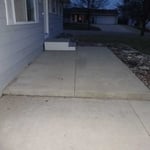
Concrete stoop had sunk over 6 inches
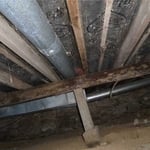
Foundation Failure Signs
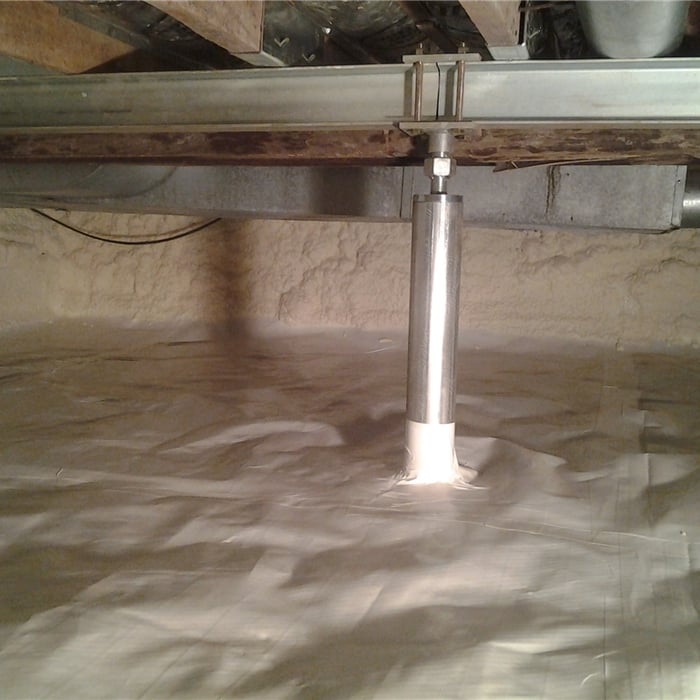
Increased Efficiency of Crawlspace in Elk Mound

+156

Response time3 hrs
648 neighbors recently requested a quote
Recommended by92%of homeowners
Radon Detection and Reduction questions, answered by experts

If your home has a sump pit, you can integrate it with a radon mitigation system. You can accomplish this by sealing the pump cover with an airtight lid that accommodates radon vent pipes and sump pump hoses. This allows the vent pipe to redirect the radon gas outside of your home.

The average radon mitigation system uses about 876 kWh of electricity per year, although the exact amount of electricity used will vary depending on the size of the radon fan. Once the system is installed, the annual increase to your energy bill could range from $30 to $300 per year, again depending on the size of the fan.

Many radon fans carry a five-year manufacturer's warranty. That said, your radon fan should last between five and ten years. Regular inspections will ensure the fan is operating properly. Unusual or exceptional noise coming from the fan or indications on your manometer or system monitor can immediately tell you that something is amiss.

Keeping radon from getting into your home is much better than having to get rid of it once it's already indoors. While there may not be a way to fully prevent radon from getting into your home, there are things you can do to reduce the gas's ability to enter. 

Sealing foundation cracks and openings can help keep the gas from seeping inside. Improving air flow, such as by opening windows, can also be helpful. If you're building your home from scratch, talk to your contractor about using radon-resistant construction to keep the gas out.

Your radon mitigation system may be loud because it’s time to replace it. Any sounds are usually from the inline fan that helps create the vacuum and resulting airflow. If you hear a new, loud mechanical or humming noise from your radon fan, it might be time to replace it. Most fans used in radon mitigation systems last up to 10 years, but may need to be replaced sooner.

The Nelson, MN homeowners’ guide to radon detection and reduction services

From average costs to expert advice, get all the answers you need to get your job done.