





Top-rated septic tank pros.

Get matched with top septic tank pros in Kellogg, MN

Enter your zip and get matched with up to 5 pros

Need a pro for your septic tank service project in Kellogg, MN?

Select your specific project to find the pro for you.

Find Septic tank pros in Kellogg

Mitts Construction LLC
5.0(
1
)
Septic System - Install or Replace

Serving Kellogg, MN and surrounding areas

Approved

In business since 2020

Free estimates

Offers commercial services

When you hire a local septic company, you want to know that you're hiring a team you can rely on. You'll be glad you hired Mitts Septic and Excavating because...\n\n\nWe're a family-owned and -operated company\nWe've been in business serving the Rochester MN area for more than five years\nWe take pride in leaving our work sites clean\n\nWe set up durable residential and commercial septic systems. We'll work with a designer to install the customized plan for your home and commercial facility and ensure that it meets local requirements. We'll handle every part of the installation project, from clearing away brush to cleaning up the work site. Call 507-961-3385 today to get a free estimate on septic system services.\n\nMITTSSEPTIC.COM


Response time2 days
Response rate93%
4 neighbors recently requested a quote
Avatar for American Home Shield – Home Warranty
American Home Shield – Home Warranty
3.5(
5,688
)
Septic System - Install or ReplaceSeptic System - Install or Replace - For BusinessSeptic System - Repair+3 more

Serving Kellogg, MN and surrounding areas

In business since 1971

Credit card accepted

"The technician emptied the freezer, which was in the basement, to work on the part that needed repair. Then he neglected to put anything back into the freezer, including a turkey I had bought for Christmas and a rack of ribs. Two days after he left, I went out of town for two weeks. The turkey actually exploded and spewed its liquid all over everything, which had to be discarded. I let AHS know and they couldn't even bother to call me or follow up on this. I'm considering not renewing my contract with them because of the quality (or lack thereof) of many of the providers they send."
Additional Photos
Additional Photos
Additional Photos
Additional Photos
Additional Photos

+2

Recommended by65%of homeowners
Septic Tanks questions, answered by experts

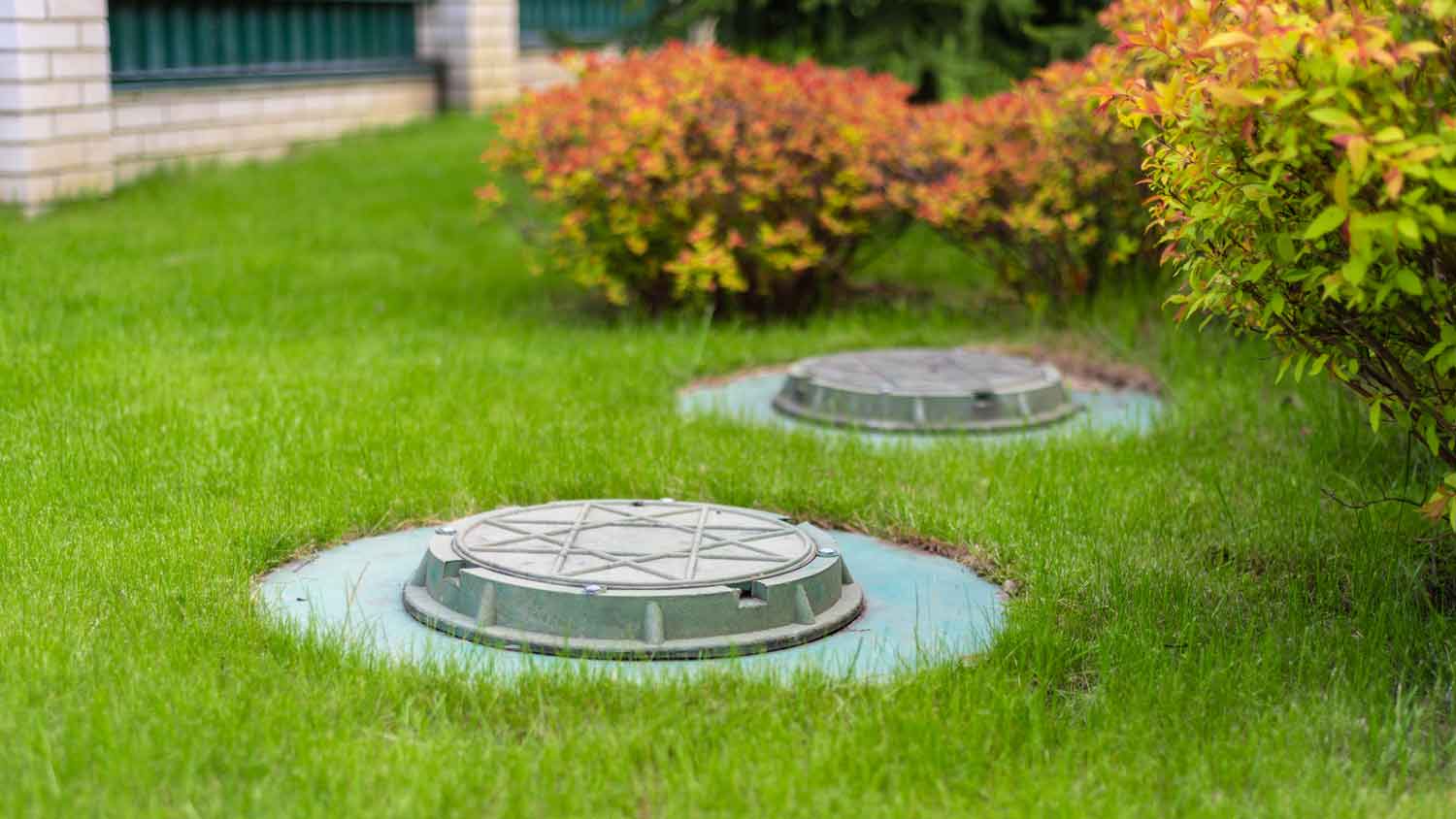
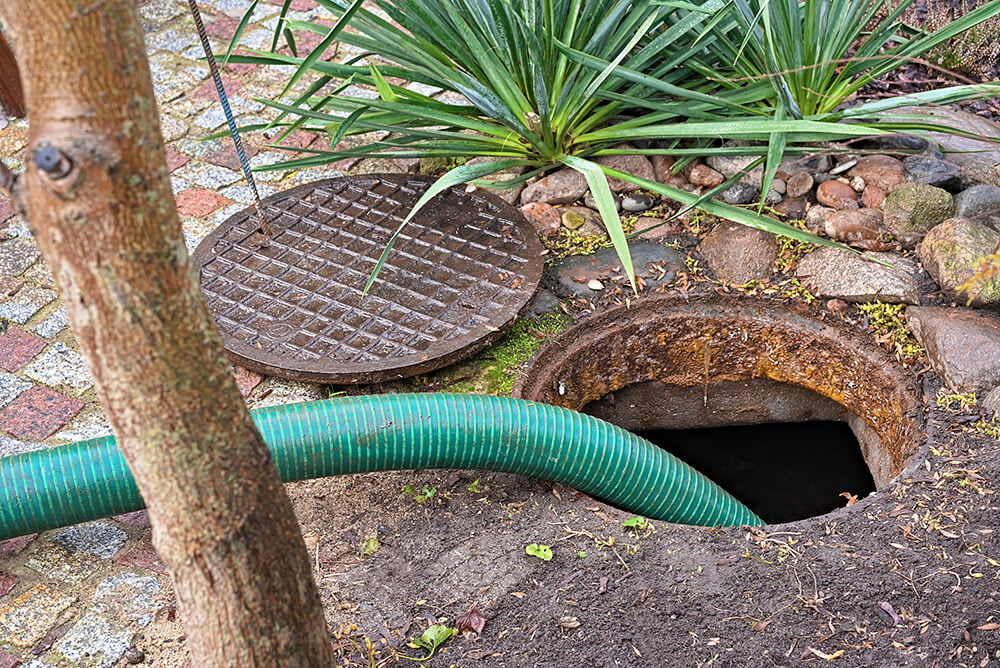
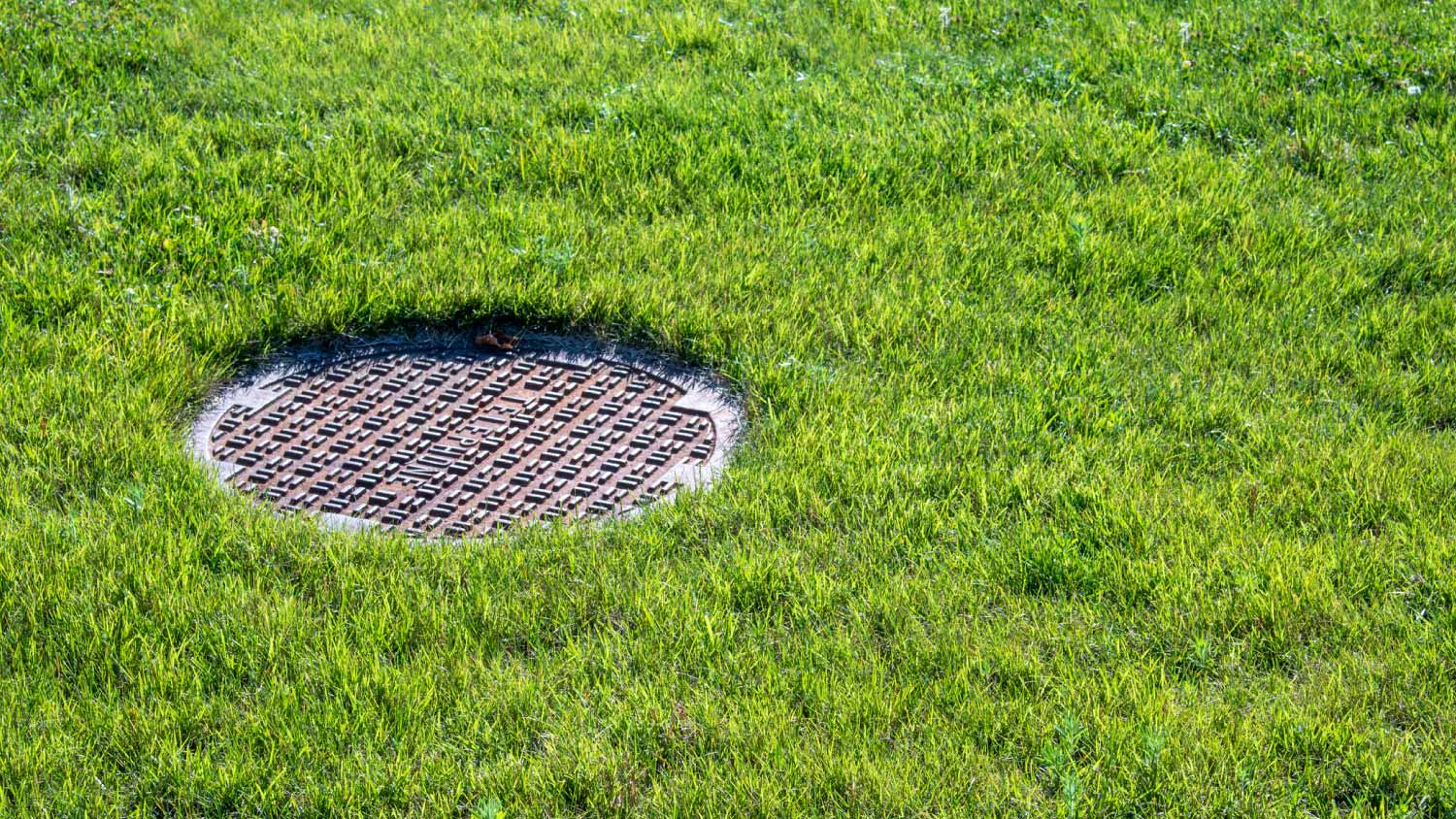
Unlike an urban sewer system that runs wastewater into a central drainage system, septic tanks are a house-by-house system. They are the ultimate destination for all your house’s wastewater—from bathtubs, showers, sinks, toilets, and washing machines. Wastewater flows into a tank buried in the ground outside your home, and then water runs from the tank to a drainage field using sloped pipes.

A septic alarm can sound different depending on your system, but often, it’s a loud, repetitive beeping noise or a steady, high-pitched noise. It may also be a loud buzzing noise. To confirm the noise is your septic alarm, check your alarm box for a red light. You can also silence your alarm with a red button or switch on the box. Look for something that says “Test” or “Mute.”

Deciding between an engineered septic system and a conventional one depends on property size, soil quality, local regulations, and environmental factors. If your property has limited space, poor soil, or is close to sensitive environmental features, an engineered system may be required. Professional site evaluations, considering water usage, long-term plans, and budget constraints, can help determine the appropriate choice. Consulting with a septic system professional is crucial for ensuring compliance with regulations and selecting the best system for your property's unique needs.

A septic tank with a 1,500-gallon capacity is good for larger homes with up to 6 or 7 bedrooms. The average home can go with a smaller tank, about 1,000 gallons, which supports a home size of up to 2,500 square feet, or a home with about three bedrooms.

Septic drain lines (or leach lines) are typically buried between 18 and 36 inches underground, and should be at least 6 inches below the surface. These pipes are perforated and surrounded by filtering materials like sand or gravel. Burying the lines at this depth helps minimize odors and allows bacteria and other biological processes in the soil to effectively treat the wastewater. Burying lines too close to the surface can cause issues unless the soil is very compact and stable.

The Kellogg, MN homeowners’ guide to septic tank services

From average costs to expert advice, get all the answers you need to get your job done.