


Top-rated plaster repair specialists.

Get matched with top plaster repair specialists in Cedar, MN

Enter your zip and get matched with up to 5 pros

Need a pro for your plaster repair project in Cedar, MN?

Select your specific project to find the pro for you.

TRUSTED BY CEDAR, MN HOMEOWNERS

  • Average homeowner rating star icon4.5
    Average homeowner rating
  • Verified reviews icon210
    Verified plaster repairs reviews

Find Plaster repair specialists in Cedar

Avatar for Hinchcliff Interiors, Inc.
Hinchcliff Interiors, Inc.
4.3(
6
)

Serving Cedar, MN and surrounding areas

Approved

In business since 2019

Free estimates

Small jobs welcome

"Todd Hinchcliff is professional, timely and produces quality craftmanship results. I hired him to patch and repair our drywall ceiling. His work cannot be surpassed and he very affordable. I would hire him for any drywall project, you will be happy you did. I am."
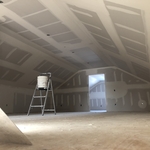
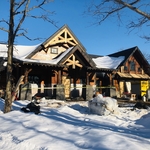
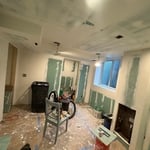
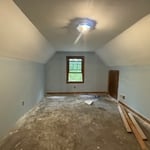
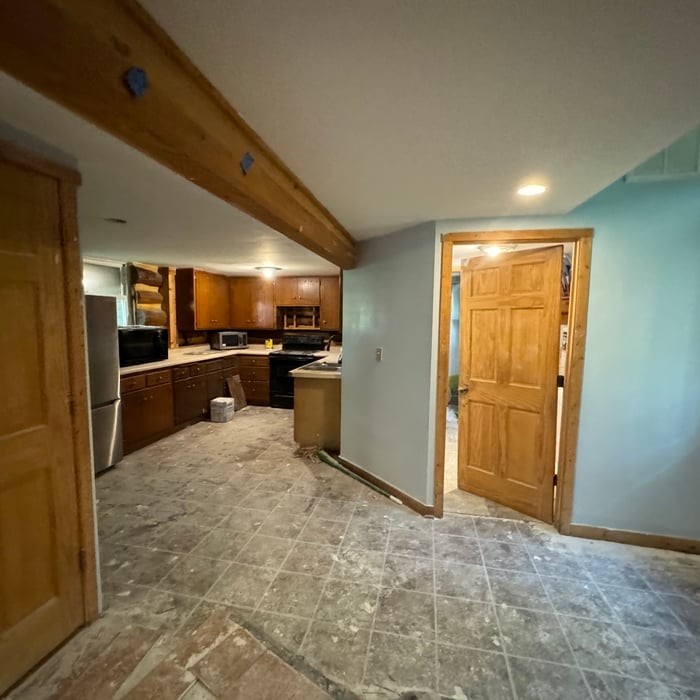
House in foly
House in foly
Nice Garage
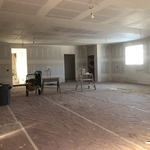
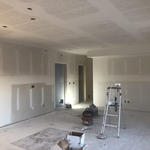
Basement finish
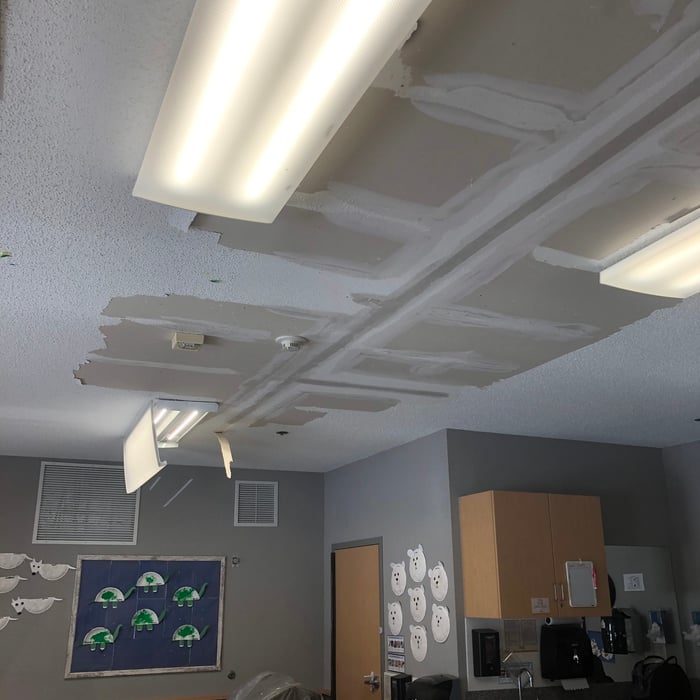
Water damage repairs

+5

Response time1 day
2 neighbors recently requested a quote
Recommended by100%of homeowners

B & L Drywall
4.3(
7
)

Serving Cedar, MN and surrounding areas

In business since 1995

Small jobs welcome

B & L Drywall has been providing top quality work for homeowners and businesses since 1995. We welcome the opportunity to show you what experience, expertise & quality products can mean for the value of your home. We explain everything in detail so you can feel confident in working with us. This is an old practice that should be how all contractors do business. We will be happy to provide a list of satisfied customers who will give reference to the quality of our work, upon request.

Recommended by42%of homeowners
Avatar for Titan Drywall, LLC
Titan Drywall, LLC
3.3(
9
)

Serving Cedar, MN and surrounding areas

In business since 1999

Free estimates

Small jobs welcome

"Excellent service and follow-through. Called a few days out and the night before to confirm the appointment and worked with my schedule. Quality of the work was excellent and stayed within the estimate. Todd helped with a couple other small drywall issues in the house, and was very helpful assessing another larger project in the basement. He is very reasonably priced, and does not try to sell you on unneccesary repairs/services. Couldn't be happier."
Residential Finish
Recommended by100%of homeowners
Showing 1-10 of 30
Plaster Repair questions, answered by experts

Common causes of ceiling cracks along drywall seams include poor drywall installation techniques, structural issues, truss uplift, and foundation problems. Temperature and humidity also play major roles in ceiling cracks flush with the wall. As the drywall shrinks and expands from major temperature changes or extreme humidity shifts, this can cause the drywall to crack.

You can plaster over regular drywall, but it's essential to prepare the surface properly. Before plastering, the drywall should be clean, free of dust, and any loose or peeling paint should be removed. Applying a primer specifically designed for plastering can improve adhesion. Some professionals recommend applying a base coat of plaster or joint compound to create a better surface for the plaster to adhere to. Proper preparation ensures a smooth and durable plaster finish over regular drywall.

Yes, you can install drywall over plaster, but there are important factors to consider. While it can create a smooth, flat surface, it is often not the best approach. Installing drywall over plaster will increase the wall's thickness, which can cause issues with existing window and door frames that may no longer fit. You might also need to adjust power outlets to keep them accessible. A better, though more expensive, option is to remove the old plaster and lath entirely before installing new drywall. Drywalling directly over plaster seals in the old material, and if any problems arise later, you will need to remove both layers down to the structural beams for repairs. Given the potential complications, this job is best handled by professionals.

Although they have similar applications, spackle and joint compound are not the same. Their primary differences lie in their composition, consistency, and ideal use cases.

Spackle is composed of gypsum and binding agents, making it thicker than joint compound. It dries quickly and is easy to sand, which makes it ideal for small wall repair projects like filling nail holes or patching minor damage.

Joint compound, also known as drywall mud, consists of limestone and gypsum. It is primarily used for large-scale projects, such as taping and finishing the seams on newly installed drywall. It tends to shrink more than spackle and can be more difficult to spread.

While both products can be used to fill small depressions and cracks, spackle cannot replace joint compound for taping and mudding new drywall. Conversely, you can often use joint compound for small patching jobs typically done with spackle.

It is possible to apply plaster on the interior or exterior of your home, but we don’t recommend it. Plaster is easy to apply in theory, but in reality, it can be a challenging material to work with, and it’s difficult to get the finished product to look clean, even, and smooth. Many DIYers end up calling in a professional afterward to touch up the area or even redo it entirely because of mistakes they made in the process. Hiring a plaster pro will cost more, but it’s usually the best option to achieve high-quality results.

The Cedar, MN homeowners’ guide to plaster repairs

From average costs to expert advice, get all the answers you need to get your job done.