







Top-rated gas log pros.

Get matched with top gas log pros in Williamsburg, MI

Enter your zip and get matched with up to 5 pros

Need a pro for your gas log service project in Williamsburg, MI?

Select your specific project to find the pro for you.

Find Gas log pros in Williamsburg

Avatar for Diamante Inc
Diamante Inc
New to Angi

Serving Williamsburg, MI and surrounding areas

In business since 2021

Free estimates

Credit card accepted

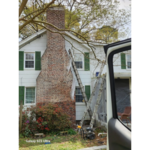
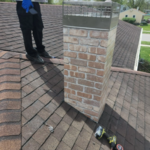
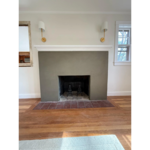
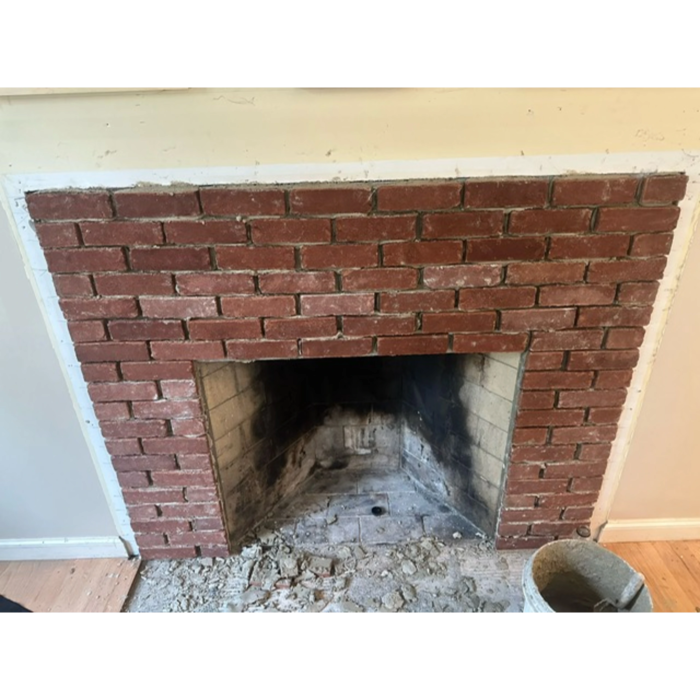
10+ years of experience! \nOur mission is to be a provider that brings back the personal touch with our customers. We will build a relationship that will last a lifetime after you see our quality work. As a locally owned and operated business, we feel invested in our clients and constantly strive for customer satisfaction. Call or message us to schedule an estimate today!

Remodeling - General Project
Additional Photos
Gas Logs questions, answered by experts

The difference between a built-in and regular grill is installation and design. A built-in grill is integrated into an outdoor kitchen or structure, often within a countertop or island. It is a permanent fixture. A regular grill is standalone, portable, or cart-mounted, allowing mobility and versatility in placement. Built-in grills are typically larger with more cooking space, while regular grills come in various sizes. Built-in grills are favored for creating a custom outdoor cooking area, while regular grills provide convenience and flexibility.

DIY is not recommended due to safety concerns. Professional installation ensures proper connections and compliance with codes.

You can maneuver your gas grill into place, but you cannot connect the grill to your gas source yourself. All municipalities mandate that a certified plumber carry out this work, so you’ll have to reach out to a plumber or a gas grill installation company in your area. Given how dangerous a gas leak can be, gas lines and connections are highly regulated, so you’ll need a professional’s help and a permit to install a gas grill.

No. Placing a built-in grill against the house is discouraged due to safety concerns. Building codes and regulations often require a minimum distance (typically 10 feet or more) between a gas grill and any combustible structure, including a house. Placing a grill too close poses a fire hazard and risks damage to the siding or structure, potentially leading to carbon monoxide buildup. It's essential to consult local building codes, follow manufacturer guidelines, and prioritize safety by positioning the grill at a safe distance, ideally in a well-ventilated outdoor kitchen or designated grill area.

The most significant benefit of having a gas grill over a propane grill is that you never run out of fuel unless there’s an outage in your area, which is rare. Unlike with a propane grill, you’ll never need to haul tanks back and forth to a local fill station, and you’ll never find yourself unable to use your grill because you forgot to refill your tanks. Gas grills also burn slightly cleaner than propane grills, and natural gas costs significantly less than propane, meaning it’s more affordable to run your grill.

The Williamsburg, MI homeowners’ guide to gas log services

From average costs to expert advice, get all the answers you need to get your job done.