





Top-rated energy efficiency auditors.

Get matched with top energy efficiency auditors in Williamsburg, MI

Enter your zip and get matched with up to 5 pros

Need a pro for your energy efficiency auditing project in Williamsburg, MI?

Select your specific project to find the pro for you.

Find Energy efficiency auditors in Williamsburg

Avatar for Johns Home Inspections -    Facebook
Johns Home Inspections - Facebook
4.5(
30
)
Home Energy Audit

Serving Williamsburg, MI and surrounding areas

In business since 2019

Emergency services offered

Small jobs welcome

"John and Pamela have done a very good job and work quite fast to provide their reports in a matter of hours, not days. Their cost of service is better than their competition. John's Home Inspections can provide excellent work for both home sellers and home buyers."

Cabin of 1998
Home Inspection
Outside Construction
Credit Card Accepted
Complete Home

+3

Response time2 hrs
Response rate97%
Recommended by96%of homeowners
Avatar for Geofurnace Heating & Cooling, LLC
Geofurnace Heating & Cooling, LLC
4.6(
51
)
Home Energy Audit

Serving Williamsburg, MI and surrounding areas

In business since 1990

Free estimates

Emergency services offered

"To hid the heat pump condenser we had the unit mounted on our house. It makes a vibrating sound in the house. But in defense of Geofurance we haven't given them a chance to resolve the problem. I would also like to say the heat pump has saved us a lot of money as far as propane cost. It also replaced a resistance heating system in our loft. It now allows us the ability to use the loft in the winter."
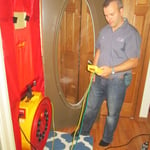
Blower Door Test
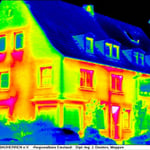
Inferred Imaging
Hands on Evaluating
Spray Foam Insulation
We service all makes and models

+1

Response time1 day
Recommended by95%of homeowners
Energy Efficiency Auditing questions, answered by experts

A good SEER rating for an HVAC system is typically between 15 and 20. However, minimum requirements vary by location; HVAC systems in northern states must have at least a 14 SEER rating, while those in southern states need a minimum of 15. For the highest possible efficiency, look for units with a SEER rating of 21 or higher. It's important to remember that a SEER rating represents the maximum efficiency a unit can achieve, not the level at which it will operate at all times.

While you can perform many routine home maintenance jobs yourself, it’s often a good idea to bring pros in for certain tasks. HVAC maintenance, fireplace and chimney inspections, foundation repairs, and roof inspections and repairs should be handled by professionals who know what to look for and can safely perform repairs. You may also find it helpful to hire a local house cleaning service to help with deep cleaning.

You can save money on heating oil through a combination of improving home efficiency and smart purchasing strategies.

Home Efficiency and Usage:

  • Improve Insulation: Ensure your home, especially the basement and attic, is well-insulated and sealed against drafts to prevent heat leakage.

  • Manage Your Thermostat: Use a properly calibrated and programmable thermostat. Lower the temperature by a few degrees, particularly when you are away from home or asleep.

Purchasing Strategies:

  • Buy in the Off-Season: Order heating oil during the summer months when prices are generally at their lowest. This strategy is most effective if you have a large primary tank or a separate storage tank to accommodate bulk deliveries.

  • Consider a Delivery Contract: Some companies offer contracts with a set price for the term. This can lead to savings if market prices for oil increase, but you might pay more if prices drop.

There are energy-efficient options when building a cottage. Select green building materials, high-performance insulation, and energy-efficient windows when designing your cottage. Options such as solar panels, efficient HVAC systems, and LED lighting can lower your utility bills and reduce your environmental impact. Many builders offer energy-efficient upgrades as part of the design process.

There is no blanket figure for a residential home’s electrical load, since load varies by the size of the home, how many appliances are used, and the efficiency of their electrical systems. Typically, however, it’s safe to assume 40 to 60 amps is the average electrical load of a residential home. 

The Williamsburg, MI homeowners’ guide to energy efficiency auditing services

From average costs to expert advice, get all the answers you need to get your job done.