




Top-rated weed maintenance pros.

Get matched with top weed maintenance pros in Wellston, MI

Enter your zip and get matched with up to 5 pros

Need a pro for your weed maintenance project in Wellston, MI?

Select your specific project to find the pro for you.

Find Weed maintenance pros in Wellston

No results for Weed maintenance pro in

Try adjusting your search criteria.
Weed Services questions, answered by experts

Sealing pavers helps cut down on weed growth, but it won’t wipe it out entirely. What it does really well is harden the joint sand—especially if you’re using a sealant with polymer additives—so weeds have a much harder time breaking through. It also blocks airborne seeds from settling in the cracks and keeps debris from building up. This results in fewer weeds, easier maintenance, and a cleaner-looking surface. Just remember, sealing is a strong defense—not a one-and-done solution. Stay on top of sweeping, spot-treating, and resealing every few years to keep your weeds in check.

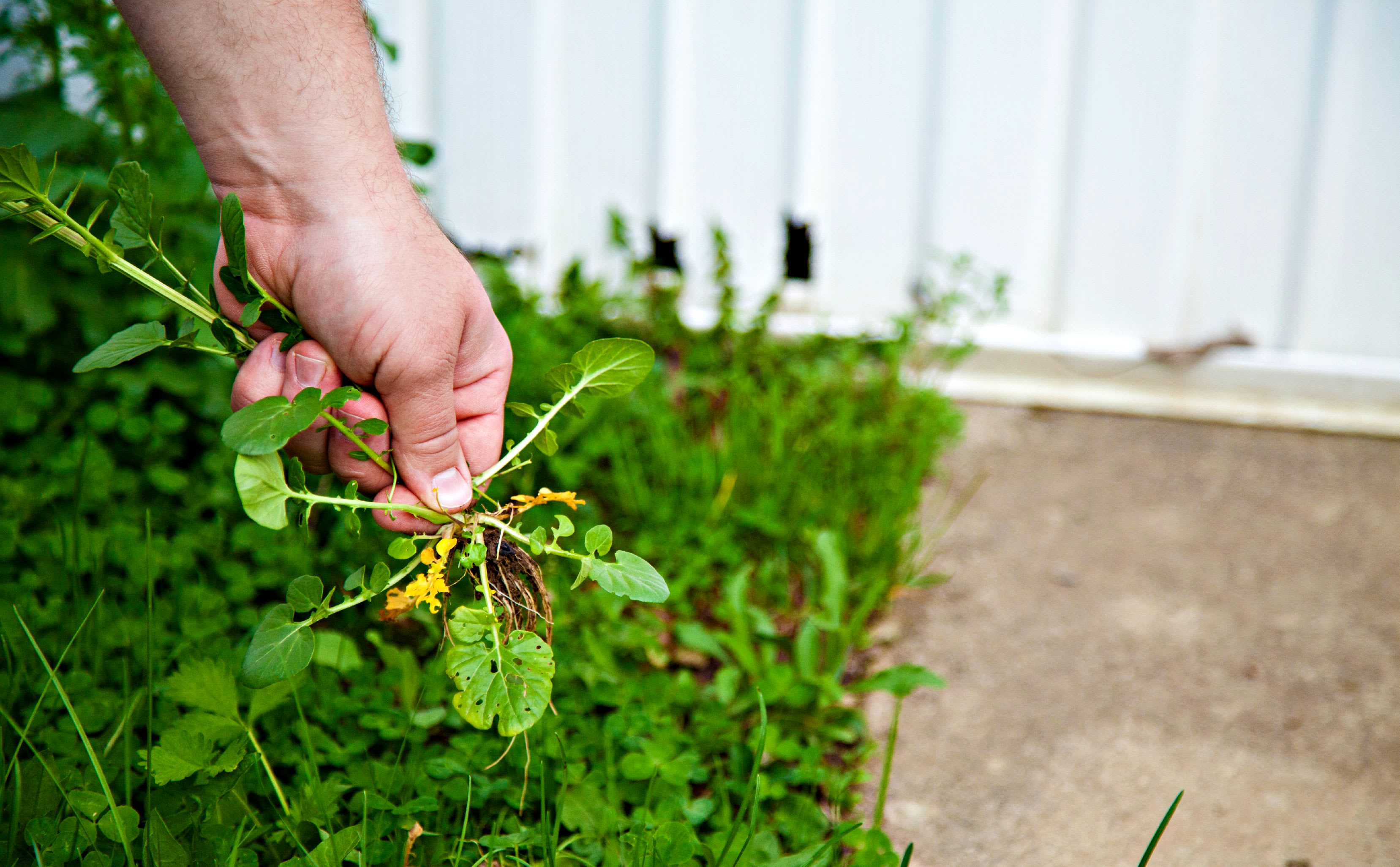
No, definitely not. Pulling weeds by hand is the single most effective way to remove them because you're eliminating the entire plant—roots and all—so it won’t have a chance to grow or spread. Setting time aside a few times per week to pull weeds can keep them at bay. If the number of weeds gets overwhelming, then you can resort to other methods.

Herbicides containing a combination of the active chemical ingredients dicamba, fluroxpyr, and quinclorac are most effective at purging your turf of white clover. However, for small home lawns, organic prevention and control can be very effective methods for killing clover weeds and save you from using harmful pesticides that might damage your lawn.

Johnsongrass and crabgrass are invasive weeds that can overtake your lawn. Crabgrass is a low-growing grass most often seen in lawns, flower beds, and vegetable gardens. While you may find Johnsongrass growing in your lawn, it will also grow in pastures, crop fields, and the edge of the road. Johnsongrass is much coarser than crabgrass. If left alone, Johnsongrass can grow up to 8 feet tall. 

Mowing your grass regularly, especially if you’re mowing close to the ground, can help kill Johnsongrass. Frequent mowing helps limit the spread of Johnsongrass and can even deplete carbohydrate reserves in rhizomes over time. The more time you leave in between mowing, the more likely Johnsongrass is to regrow and take over your lawn. 

The Wellston, MI homeowners’ guide to weed maintenance services

From average costs to expert advice, get all the answers you need to get your job done.