



Top-rated energy efficiency auditors.

Get matched with top energy efficiency auditors in Walker, MI

Enter your zip and get matched with up to 5 pros

Need a pro for your energy efficiency auditing project in Walker, MI?

Select your specific project to find the pro for you.

Find Energy efficiency auditors in Walker

Avatar for USA Insulation of Grand Rapids
USA Insulation of Grand Rapids
4.0(
113
)

Serving Walker, MI and surrounding areas

Approved

In business since 1977

Free estimates

Warranties offered

"The workers were very professional. They were here on time and worked diligently. There was a misunderstanding on some areas to do and they returned to do the extra areas. I would highly recommend this company."
Our Work
Our Work
Our Work
Our Work
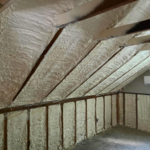
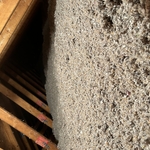
Attic Insulation

+6

Response time2 hrs
Response rate85%
19 neighbors recently requested a quote
Double Check Inspect
3.8(
26
)

Serving Walker, MI and surrounding areas

In business since 2000

Free estimates

Credit card accepted

"My first impression of Justin was over the phone. He was clear about what he does, very personable and just seemed to be very real and honest. He came out and seemed happy to answer all of my questions about his findings. He also gave me quick-fix and long-term solutions to each and every problem that he found with my home. He was patient, kind and thorough and I would highly recommend him to any friends and family that ever were in need of a home inspection."
Response time3 hrs
Recommended by80%of homeowners
Avatar for Greenshield Insulation
Greenshield Insulation
New to Angi

Serving Walker, MI and surrounding areas

In business since 2016

Free estimates

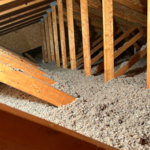
Greenshield Insulation is a family-owned and operated company proudly serving Mattawan and surrounding areas within a 40-mile radius since 2016. We specialize in high-quality residential and light commercial insulation services, including spray foam (open and closed cell), blown-in cellulose, insulation removals, attic and sidewall retrofits, and ventilation solutions. With over 50 years of combined experience, we’re SPF-certified, licensed, and insured—bringing knowledge, professionalism, and attention to detail to every project. Our team helps homeowners lower energy bills, improve comfort, and qualify for available rebates and tax credits. We offer free estimates and honest guidance to help you choose the best insulation for your home or building. Serving Kalamazoo, Portage, Paw Paw, Battle Creek, and more.

Attic Insulation Experts

+11

Energy Efficiency Auditing questions, answered by experts

To determine the right size generator for your house, you should calculate the total wattage of the appliances and devices you want to power during an outage. List all essential items, note their start-up wattages, and add them together.

Here are some typical wattage requirements for common appliances:

  • Refrigerator: 600 watts

  • Large dehumidifier: 700 watts

  • Large window air conditioner: 1,400 watts

  • Water heater: 3,000 to 4,500 watts

  • Electric furnace: 5,000 to 25,000 watts

A 7,500-watt generator might be sufficient for essentials like a refrigerator, freezer, well pump, and lighting circuits. However, for high-demand items like a water heater or furnace, a whole-home generator is a better choice. A portable generator may be enough if you only need to power a few critical items.

While home square footage can offer a rough estimate, it is not always a reliable indicator. For reference, here are some typical generator sizes based on square footage:

  • 1,000 sq ft: 6–9 kW

  • 1,500 sq ft: 7–10 kW

  • 2,000 sq ft: 10–14 kW

  • 2,500 sq ft: 12–16 kW

  • 3,000 sq ft: 16–20 kW+

For the most accurate sizing, consult a professional who can calculate your home's peak and average power consumption and recommend the optimal generator.

Homeowners can often access federal tax credits, such as the Investment Tax Credit (ITC), which covers a percentage of installation costs. Many states and utilities offer additional rebates, grants, or performance-based incentives. These programs can significantly lower your upfront investment. Check the Database of State Incentives for Renewables and Efficiency (DSIRE) or contact your local energy office for current offers.

R-value measures an insulation material's thermal resistance, indicating its ability to resist heat transfer. A higher R-value signifies better insulation performance because the material is more effective at slowing heat flow. The R-value depends on the type, thickness, and density of the insulation material, such as fiberglass, foam, or cellulose. Each inch of insulation typically provides an R-value between 3 and 8. There is no single universal R-value; the optimal choice depends on your climate zone. Colder climates require a much higher R-value than warmer ones to maintain energy efficiency, keep the home warm in winter and cool in summer, and manage costs.

There are a couple of ways you can save on the cost of your home energy audit. First, find out if you qualify for programs like the Department of Energy’s Weatherization Assistance Program for low-income households. Next, check with your local utility company to find out if you qualify for any local rebate programs to offset the cost of this helpful service.

Costs depend on the property size, audit complexity, and whether additional testing (e.g., blower door) is included.

The Walker, MI homeowners’ guide to energy efficiency auditing services

From average costs to expert advice, get all the answers you need to get your job done.