


Top-rated excavation pros.

Best excavation pros near Sheridan, MI

Enter your zip and get matched with up to 5 pros

Need a pro for your excavation project in Sheridan, MI?

Select your specific project to find the pro for you.

Top-Rated Excavation pros in Sheridan - Updated Nov 2026

Avatar for Parkers Asphalt and Sealcoating LLC
Parkers Asphalt and Sealcoating LLC
5.0(
6
)
Landscape - Minor Grading or Resloping

Serving Sheridan, MI and surrounding areas

Approved

In business since 2019

Free estimates

Credit card accepted

"We had the cracks refilled and driveway seal coated. It looks amazing. 5 stars for Parkers! Great customer service, before, during and after the job was done. My mother said "They worked really hard. They couldn't have done a better job. " Great work guys!"
Response time2 days
Response rate90%
3 neighbors recently requested a quote
CB handyman services
New to Angi
Landscape - Minor Grading or Resloping

Serving Sheridan, MI and surrounding areas

Approved

We provide reliable handyman services and outdoor improvement solutions with a focus on quality, efficiency, and long-term results. From small repairs and property cleanups to grading, drainage, and backyard upgrades, we help homeowners get their projects done right without the hassle.\nOur work covers a wide range of services including yard cleanups, tree trimming, light demolition, power washing, and general handyman tasks. We also specialize in outdoor projects like patio prep, leveling, and landscape improvements—helping turn everyday spaces into functional, usable backyards.\nWe take a practical, construction-focused approach to every job. That means showing up on time, communicating clearly, and doing the work properly the first time. Whether it’s a quick fix or a larger outdoor project, we aim to deliver results that last.\nHomeowners choose us because we’re dependable, straightforward, and focused on getting the job done right—no shortcuts, no surprises.

Earthworm Dozing and Excavating, Inc.
4.7(
35
)
Building Site - Preparation and ClearingBuilding Site - Preparation and Clearing - For BusinessExcavation - Major Grading or Resloping+1 more

Serving Sheridan, MI and surrounding areas

In business since 1996

Free estimates

Emergency services offered

"They were scheduled to come on Friday, but forgot. I had to call the office to find out what happened. They rescheduled the job on Saturday. Two people showed up and they really worked hard. The job was completed in no time and they cleaned up all the branches. I would have them again."
1728153
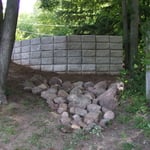
Large block retaining walls
1728154
 Awaiting final landscaping
1728155

+9

Recommended by96%of homeowners
...
Showing 1-10 of 66
Excavating FAQs, answered by experts

In the United States, a depth of 36 inches (three feet) for underground water lines is the accepted industry standard. This depth varies from location to location based on local conditions. In areas with colder winters, they may be buried deeper to prevent frozen well water pipes : This is usually at least six inches below the frost level. The International Plumbing Code calls for a minimum of 12 inches below grade.

Septic drain lines (or leach lines) are typically buried between 18 and 36 inches underground, and should be at least 6 inches below the surface. These pipes are perforated and surrounded by filtering materials like sand or gravel. Burying the lines at this depth helps minimize odors and allows bacteria and other biological processes in the soil to effectively treat the wastewater. Burying lines too close to the surface can cause issues unless the soil is very compact and stable.

To locate an underground downspout, you should start by identifying where the above ground gutter drains. Look for an entry point, such as a pipe or elbow leading into the ground. Follow the surface path for signs like depressions, landscaping disruptions, or wet areas after rain. You can use a metal detector or plumber’s snake to trace the pipe underground. For deeper pipes, a professional locator tool or camera inspection may be necessary. Visual markers or utility maps can also guide the search.

Depth is not a qualifying component of evacuation. Any human-made cut, cavity, or depression in the earth’s surface is considered excavation. The hole from excavation can be any size, shape, or depth. Excavation is used to create foundations, reservoirs, drainage ditches, and roads. Long, narrow excavations are called trenches and are often used for underground utilities.

Most residential basements are 8 to 10 feet deep. You can dig deeper depending on building codes, but it does become more difficult. You’ll likely need to install stronger foundation walls and additional supports to handle the increased load. Depending on the water table, you may also need a water management system. Clay soil can support a deeper foundation than sandy soil. A structural engineer will be able to tell you the maximum, feasible depth.

The Sheridan, MI homeowners’ guide to excavation services

From average costs to expert advice, get all the answers you need to get your job done.