




Top-rated excavation pros.

Get matched with top excavation pros in Riverdale, MI

Enter your zip and get matched with up to 5 pros

Need a pro for your excavation project in Riverdale, MI?

Select your specific project to find the pro for you.

Find Excavation pros in Riverdale

Earthworm Dozing and Excavating, Inc.
4.7(
35
)
Building Site - Preparation and ClearingBuilding Site - Preparation and Clearing - For BusinessExcavation - Major Grading or Resloping+1 more

Serving Riverdale, MI and surrounding areas

In business since 1996

Free estimates

Emergency services offered

"They were scheduled to come on Friday, but forgot. I had to call the office to find out what happened. They rescheduled the job on Saturday. Two people showed up and they really worked hard. The job was completed in no time and they cleaned up all the branches. I would have them again."
1728153
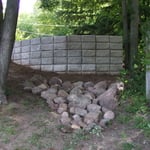
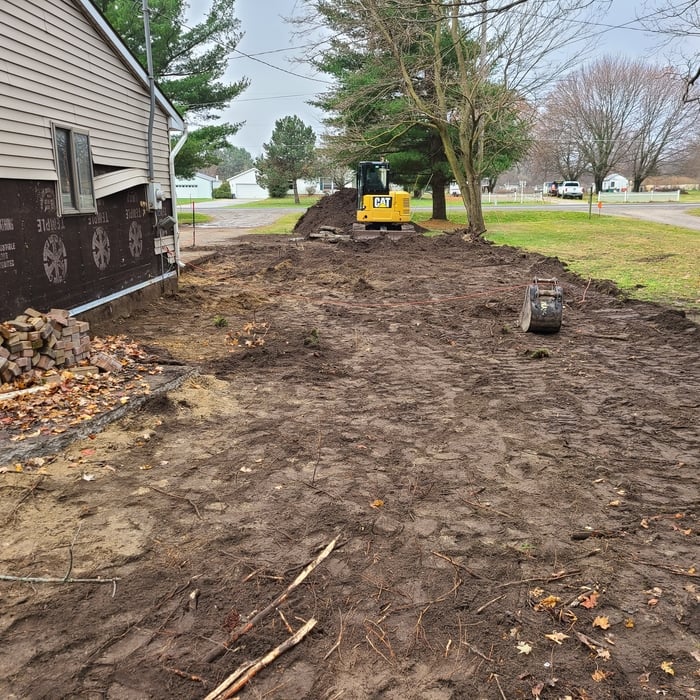
Large block retaining walls
1728154
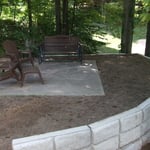
 Awaiting final landscaping
1728155

+9

Recommended by96%of homeowners
Showing 1-10 of 44
Excavating questions, answered by experts

Skunk digging looks like a series of small, cone-shaped holes on a lawn or around the perimeter of a home, porch, deck, or shed. The holes that skunks dig when searching for grubs tend to be no more than four inches in diameter and may be up to four inches deep.

Because decomposed granite is a durable material, a crushed rock or gravel base is optional as long as the DG is properly installed and compacted. However, installing a base is a good idea because it will ensure proper drainage and stability and act as a weed suppressant (although you may still occasionally have to pull weeds). Installing an adequate base can also increase the durability of driveways and walkways. If you forego the paver base or gravel underneath, line the area with landscaping fabric to avoid weeds.

You should dig 3 to 6 inches deep for plastic edging. Dig as wide as you need to fit your plastic edging into it—2 inches is usually sufficient.

Yes, professional installations include trenching or borehole drilling required for ground loops.

Septic drain lines (or leach lines) are typically buried between 18 and 36 inches underground, and should be at least 6 inches below the surface. These pipes are perforated and surrounded by filtering materials like sand or gravel. Burying the lines at this depth helps minimize odors and allows bacteria and other biological processes in the soil to effectively treat the wastewater. Burying lines too close to the surface can cause issues unless the soil is very compact and stable.

The Riverdale, MI homeowners’ guide to excavation services

From average costs to expert advice, get all the answers you need to get your job done.