

Top-rated excavation pros.

Get matched with top excavation pros in Crystal, MI

Enter your zip and get matched with up to 5 pros

Need a pro for your excavation project in Crystal, MI?

Select your specific project to find the pro for you.

Find Excavation pros in Crystal

Avatar for Parkers Asphalt and Sealcoating LLC
Parkers Asphalt and Sealcoating LLC
5.0(
6
)
Landscape - Minor Grading or Resloping

Serving Crystal, MI and surrounding areas

Approved

In business since 2019

Free estimates

Credit card accepted

"We had the cracks refilled and driveway seal coated. It looks amazing. 5 stars for Parkers! Great customer service, before, during and after the job was done. My mother said "They worked really hard. They couldn't have done a better job. " Great work guys!"
Response time2 days
Response rate90%
2 neighbors recently requested a quote
Earthworm Dozing and Excavating, Inc.
4.7(
35
)
Building Site - Preparation and ClearingBuilding Site - Preparation and Clearing - For BusinessExcavation - Major Grading or Resloping+1 more

Serving Crystal, MI and surrounding areas

In business since 1996

Free estimates

Emergency services offered

"They were scheduled to come on Friday, but forgot. I had to call the office to find out what happened. They rescheduled the job on Saturday. Two people showed up and they really worked hard. The job was completed in no time and they cleaned up all the branches. I would have them again."
1728153
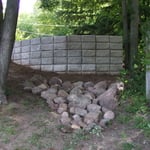
Large block retaining walls
1728154
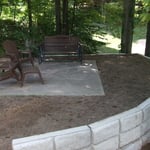
 Awaiting final landscaping
1728155

+9

Recommended by96%of homeowners
...
Showing 1-10 of 56
Excavating questions, answered by experts

The cost to drill a well varies, with a national average of around $5,500 for a 150-foot well. However, prices can fluctuate significantly based on several factors, including your location, the required well depth, geological conditions, local regulations, and the specific drilling methods used. For the most accurate cost assessment, it is best to research and get quotes from local well-drilling professionals in your area.

Most residential basements are 8 to 10 feet deep. You can dig deeper depending on building codes, but it does become more difficult. You’ll likely need to install stronger foundation walls and additional supports to handle the increased load. Depending on the water table, you may also need a water management system. Clay soil can support a deeper foundation than sandy soil. A structural engineer will be able to tell you the maximum, feasible depth.

The best type of soil to build on is a mixture of sand and clay, known as loam soil. Loam soil has the best combination of these soil types to build a foundation on. The clay particles help with water retention, so it won’t erode like sandy soil might, and the sandy particles help with drainage, so you won’t see unsafe soil expansion or have an increased risk of leaks from water sitting against your foundation.

The best way to protect tree roots is to avoid the roots entirely by excavating outside the root radius of the tree. For nearby projects, it’s a good idea to construct a temporary retaining wall. But that’s not always possible, depending on the project and the root system. In these cases, consider using alternative equipment like an auger to tunnel under the ground.

Remember, tree roots can damage nearby cement foundations as they grow. If a tree is close enough to interfere with large excavations, it may be better to remove the tree than risk future problems.

Water lines are buried at various depths, depending on the type of line. For example, most sprinkler lines are buried between four and 12 inches underground. On the other hand, water mains usually sit between one and 3 feet below ground. However, they can go even deeper in cold climates to prevent freezing.

The Crystal, MI homeowners’ guide to excavation services

From average costs to expert advice, get all the answers you need to get your job done.