


Top-rated generator install pros.

Best generator install pros near Saint Joseph, MI

Enter your zip and get matched with up to 5 pros

Need a pro for your generator install project in Saint Joseph, MI?

Select your specific project to find the pro for you.

Top-Rated Generator install pros in Saint Joseph - Updated Nov 2026

Avatar for Martell Electric, LLC
Martell Electric, LLC
4.4(
41
)
Generator - Install - For Business

Serving Saint Joseph, MI and surrounding areas

In business since 2009

Free estimates

Credit card accepted

"Knowledgeable manager and prompt dilligent electricians doing whatever was needed to complete work. Manager provided his cell # to deal with coordination with power company. Electrician provided his cell # if power company showed up early and returned to complete work. Martell stayed true to their cost estimate too."
Response time2 days
Recommended by94%of homeowners
Avatar for A2Z Services
A2Z Services
2.5(
28
)
Portable Generator - Repair

Serving Saint Joseph, MI and surrounding areas

In business since 2007

Free estimates

"Keith and his two employees did some demolition work in the basement of my house. They worked very hard for almost four hours. It was a big, dirty job and they did a very good job. I would hire them again if I had more demo work to do."
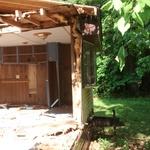
Mobile Home Demolition
Mobile home Demolition
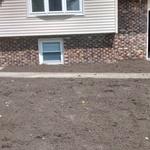
Front Yard Grading & Black Dirt
Response time6 hrs
Recommended by81%of homeowners
Showing 1-10 of 12
Generator Install FAQs, answered by experts

Generally, you’ll want to keep between 60 and 70 feet between the generator and the transfer switch. There are a few reasons for this, including:

  • The distance reduces the noise coming from the generator into your home.

  • It increases efficiency because you won’t have a voltage drop from this short of a distance.

  • Prevents carbon monoxide poisoning: keep at least 15 feet between your generator and an open window. 

Yes, in some locations, it is required by the National Electric Code (NEC) to have a transfer switch installed for electrical emergencies. In addition to following electrical code, generator transfer switches ensure your home is fully protected during a power outage. By switching the power from the main breaker to the generator breaker, you can seamlessly operate your HVAC, lights, appliances, devices, and more during an emergency. 

A portable generator can supply power to selected appliances and circuits in a home, but it's generally not designed to handle the entire household's electrical needs simultaneously. Portable generators have limited wattage capacity, so they are only designed to power essential devices and electronics temporarily until local power is restored. If your power needs outweigh the capabilities of a portable generator, consider installing a whole-home generator instead.

In most municipalities, you will need a permit to install a permanent home generator, including emergency backup, partial-home, and whole-home generators. A permit for a generator usually costs between $50 and $250, depending on where you live. Your electrician or certified generator installer will usually pull the permit for you—and might be required to do so by your building department—but you’ll be on the hook for the cost of the permit. You should ask your installer before agreeing to any work if they will pull the necessary permits for your project.

Homeowners can often access federal tax credits, such as the Investment Tax Credit (ITC), which covers a percentage of installation costs. Many states and utilities offer additional rebates, grants, or performance-based incentives. These programs can significantly lower your upfront investment. Check the Database of State Incentives for Renewables and Efficiency (DSIRE) or contact your local energy office for current offers.

The Saint Joseph, MI homeowners’ guide to generator installs

From average costs to expert advice, get all the answers you need to get your job done.