






Top-rated generator install pros.

Best generator install pros near Union Pier, MI

Enter your zip and get matched with up to 5 pros

Need a pro for your generator install project in Union Pier, MI?

Select your specific project to find the pro for you.

Top-Rated Generator install pros in Union Pier - Updated Nov 2026

Avatar for Martell Electric, LLC
Martell Electric, LLC
4.4(
41
)
Generator - Install - For Business

Serving Union Pier, MI and surrounding areas

In business since 2009

Free estimates

Credit card accepted

"They promptly installed two generators, one for each house, and walked through the app install. They called me a year later to schedule yearly maintenance. Great all the way around."
Response time2 days
Recommended by94%of homeowners
Avatar for A2Z Services
A2Z Services
2.5(
28
)
Portable Generator - Repair

Serving Union Pier, MI and surrounding areas

In business since 2007

Free estimates

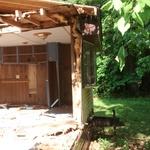
"Keith and his two employees did some demolition work in the basement of my house. They worked very hard for almost four hours. It was a big, dirty job and they did a very good job. I would hire them again if I had more demo work to do."
Mobile Home Demolition
Mobile home Demolition
Front Yard Grading & Black Dirt
Response time6 hrs
Recommended by81%of homeowners
Showing 1-10 of 12
Generator Install FAQs, answered by experts

A 1,500 square foot home will likely need a 15kW to 20kW generator. When deciding on whole-house generator size, add up the total wattage of the devices that you’d like to continue running during a power outage. That way, you can ensure you purchase a generator that can power your necessary appliances or medical equipment during an electrical emergency.

Generators run on a variety of fuel types, ranging from natural gas to solar power. Keep in mind that fuel costs varying by type:

  • Natural gas: $2,000–$21,000 per year 

  • Liquid propane: $2,000–$21,000 per year

  • Diesel: $3,000–$20,000 per year

  • Gasoline: $500–$3,000 per year

  • Solar generator: $2,000–$25,000 per unit

  • Battery backup: $10,000–$25,000 per unit

Most homeowners won't be able to claim a home generator as a tax write-off. However, a whole-house generator may be tax-deductible in certain situations depending on its purpose. For instance, if it's needed to power essential medical equipment, it may qualify as a medical expense deduction. Also, in some cases, businesses can deduct a generator as a business expense if it supports operations. Always consult a tax professional to determine eligibility based on your specific circumstances and the applicable IRS regulations.

If your home already has a grinder pump and you’re still noticing issues (like frequently clogged toilets and sinks), it could be time to upgrade your grinder pump. Start by checking your existing horsepower. If there are four or fewer people living in your home, using a 1/2-horsepower grinder pump should be sufficient. Larger households should consider investing in a 1-horsepower grinder pump to maximize wastewater removal efforts.

No, you should never plug a generator directly into a wall outlet in your house. This practice is extremely dangerous, often illegal, and can cause "back-feeding," where power from the generator flows back into utility lines, creating a life-threatening hazard for utility workers. It can also damage your home's electrical system, including appliances like pumps and HVAC fans. If the main power is restored while the generator is connected, it can destroy the generator and cause an electrical fire. To safely connect a generator, you must use a professionally installed transfer switch or an interlocking kit, which prevents back-feeding by disconnecting your home from the utility grid before the generator provides power.

The Union Pier, MI homeowners’ guide to generator installs

From average costs to expert advice, get all the answers you need to get your job done.