


Top-rated generator install pros.

Best generator install pros near Berrien Center, MI

Enter your zip and get matched with up to 5 pros

Need a pro for your generator install project in Berrien Center, MI?

Select your specific project to find the pro for you.

Top-Rated Generator install pros in Berrien Center - Updated Nov 2026

Avatar for Temple Electric
Temple Electric
5.0(
6
)
Fixed Generator - InstallPortable Generator - Install

Serving Berrien Center, MI and surrounding areas

Approved

In business since 2010

Free estimates

Credit card accepted

We bring years of expertise and dedication to every project. With a strong background in customer service and technical proficiency, we prioritize delivering top-notch results that exceed expectations. Our commitment to continuous learning ensures that I stay updated with the latest industry trends and best practices. Whether it's troubleshooting complex issues or providing routine maintenance, we approach each task with precision and professionalism. Our goal is to build lasting relationships with clients based on trust, reliability, and exceptional service delivery. \n \n

Storm Repair
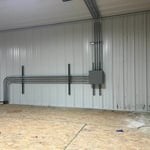
Conduit Installation
5 neighbors recently requested a quote
Avatar for A2Z Services
A2Z Services
2.5(
28
)
Portable Generator - Repair

Serving Berrien Center, MI and surrounding areas

In business since 2007

Free estimates

"Keith and his two employees did some demolition work in the basement of my house. They worked very hard for almost four hours. It was a big, dirty job and they did a very good job. I would hire them again if I had more demo work to do."
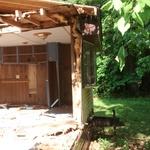
Mobile Home Demolition
Mobile home Demolition
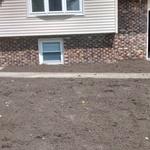
Front Yard Grading & Black Dirt
Response time6 hrs
Recommended by81%of homeowners
Showing 1-10 of 12
Generator Install FAQs, answered by experts

Yes, in some locations, it is required by the National Electric Code (NEC) to have a transfer switch installed for electrical emergencies. In addition to following electrical code, generator transfer switches ensure your home is fully protected during a power outage. By switching the power from the main breaker to the generator breaker, you can seamlessly operate your HVAC, lights, appliances, devices, and more during an emergency. 

With proper maintenance, a whole-house generator can last between 20 and 40 years. The specific lifespan depends on how often and for how long the generator is used, and some models may have their life expectancy rated in hours of operation. To maximize its lifespan, expect to spend around $150 to $300 per year for annual maintenance checks from a qualified technician. During these checks, a technician will inspect the engine filter, starting mechanism, fuel, lubrication, and coolant levels. Consulting your installer and choosing a low-impact fuel like natural gas or diesel can also help ensure your generator lasts as long as possible.

To determine the right size generator for your house, you should calculate the total wattage of the appliances and devices you want to power during an outage. List all essential items, note their start-up wattages, and add them together.

Here are some typical wattage requirements for common appliances:

  • Refrigerator: 600 watts

  • Large dehumidifier: 700 watts

  • Large window air conditioner: 1,400 watts

  • Water heater: 3,000 to 4,500 watts

  • Electric furnace: 5,000 to 25,000 watts

A 7,500-watt generator might be sufficient for essentials like a refrigerator, freezer, well pump, and lighting circuits. However, for high-demand items like a water heater or furnace, a whole-home generator is a better choice. A portable generator may be enough if you only need to power a few critical items.

While home square footage can offer a rough estimate, it is not always a reliable indicator. For reference, here are some typical generator sizes based on square footage:

  • 1,000 sq ft: 6–9 kW

  • 1,500 sq ft: 7–10 kW

  • 2,000 sq ft: 10–14 kW

  • 2,500 sq ft: 12–16 kW

  • 3,000 sq ft: 16–20 kW+

For the most accurate sizing, consult a professional who can calculate your home's peak and average power consumption and recommend the optimal generator.

No, you should never plug a generator directly into a wall outlet in your house. This practice is extremely dangerous, often illegal, and can cause "back-feeding," where power from the generator flows back into utility lines, creating a life-threatening hazard for utility workers. It can also damage your home's electrical system, including appliances like pumps and HVAC fans. If the main power is restored while the generator is connected, it can destroy the generator and cause an electrical fire. To safely connect a generator, you must use a professionally installed transfer switch or an interlocking kit, which prevents back-feeding by disconnecting your home from the utility grid before the generator provides power.

A 10,000-watt generator can run a small to mid-sized central AC unit (typically up to 3 tons or 36,000 BTU) along with a few other appliances. However, larger AC units or additional loads will require a bigger generator. Consult a local generator installer to ensure you add the correct size generator to your home.

The Berrien Center, MI homeowners’ guide to generator installs

From average costs to expert advice, get all the answers you need to get your job done.