








Top-rated basement waterproofing pros.

Best basement waterproofing pros near Saint Ignace, MI

Enter your zip and get matched with up to 5 pros

Need a pro for your basement waterproofing project in Saint Ignace, MI?

Select your specific project to find the pro for you.

Top-Rated Basement waterproofing pros in Saint Ignace - Updated Nov 2026

Avatar for Groundworks
Groundworks
5.0(
33
)
Foundation, Basement or Crawlspace - Waterproofing / EncapsulationBasement Drainage Channels - InstallBasement Drainage Channels - Repair

Serving Saint Ignace, MI and surrounding areas

Approved (Corporate)

Super Service Award Winner

In business since 2007

Free estimates

Warranties offered

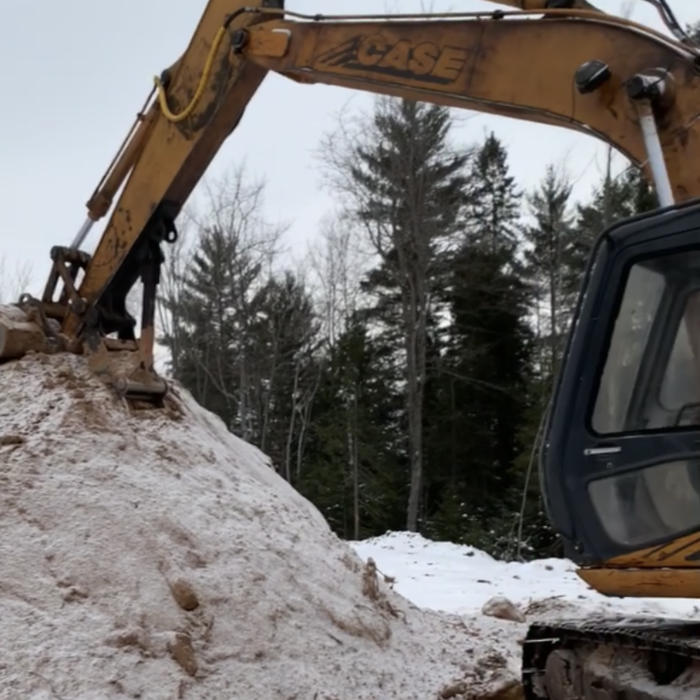
"John and Miles were excellent workers. They were very polite and professional. The job they did supporting my sagging basement wall looks like it should take care of the problem. They placed steel plates against the basement wall, and also buried other ones out in the yard, and connected them with steel rods. Then they torqued them, which should prevent any further sagging of the wall."

Basement
Basement
Basement
Basement
Concrete

+16

156 neighbors recently requested a quote
Recommended by83%of homeowners
Basement Waterproofing FAQs, answered by experts

A vapor barrier keeps moisture out of the crawl space, while insulation reduces the amount of unconditioned air—and sometimes moisture—that enters the space. Coupling a vapor barrier with insulation can help prevent humidity and related moisture damage in a crawl space while also making your home more energy-efficient. Just be sure to use insulation that won’t get damaged from moisture, like rigid foam board or expanding spray foam insulation.

Crawl space encapsulation typically lasts between 10 to 20 years. If you experience a catastrophic event, like a flood, or poorly encapsulate your space with low-quality materials, it may only last a decade. Otherwise, as long as you properly maintain your crawl space, a high-quality encapsulation can last more than 20 years.

It’s not the number of weep holes that should be of concern to builders but rather their spacing. Weep holes are usually spaced anywhere between 16 inches on center when using round tubes or wicking materials and 24 inches on center when using open-head joints. This is a more conservative spacing than the 33-inch maximum spacing on center that’s mentioned in the International Residential Code. All in all, the total number of weep holes a brick exterior should have will depend on the size of the structure.

Crawl spaces are the more desirable option overall because they provide additional space for storage and utilities, but they are more expensive to install and maintain. Slab foundations are considered a better option in warmer climates where the depth of the frost line isn’t an issue because they’re more affordable, but crawl spaces are better in areas where the frost line is deep or where flooding can be an issue.

You can seal a concrete slab by cleaning the surface, filling in any cracks, etching the surface, applying a sealer, and letting it dry. Concrete slabs don't typically need sealing, but you can use a topical concrete sealer if you notice signs of water damage. If you haven't already fixed the cause of the leak, then you'll want to repair the plumbing before you seal a concrete slab.

The Saint Ignace, MI homeowners’ guide to basement waterproofing services

From average costs to expert advice, get all the answers you need to get your job done.