







Whether or not a pool needs a dedicated circuit depends on the electrical needs of the motor, lights, and pump. Keep in mind that pool motors can use a lot of electricity. A dedicated circuit can prevent the breaker from tripping whenever you use the pool. A small motor for an equally small pool may only need a GFCI outlet. It’s best to plug it directly into the outlet rather than using an extension cord. You should also consult an electrician to ensure your pool’s electrical system is in accordance with local regulations.
A light switch should be at least 2 inches from the edge of the trim of a door. The location of wall studs will often help determine where to put the light switch by your doorway, and in most cases, wall studs make it impossible to install the switch closer than 2 inches. When possible, try to keep the switch within arm’s length of the entryway.
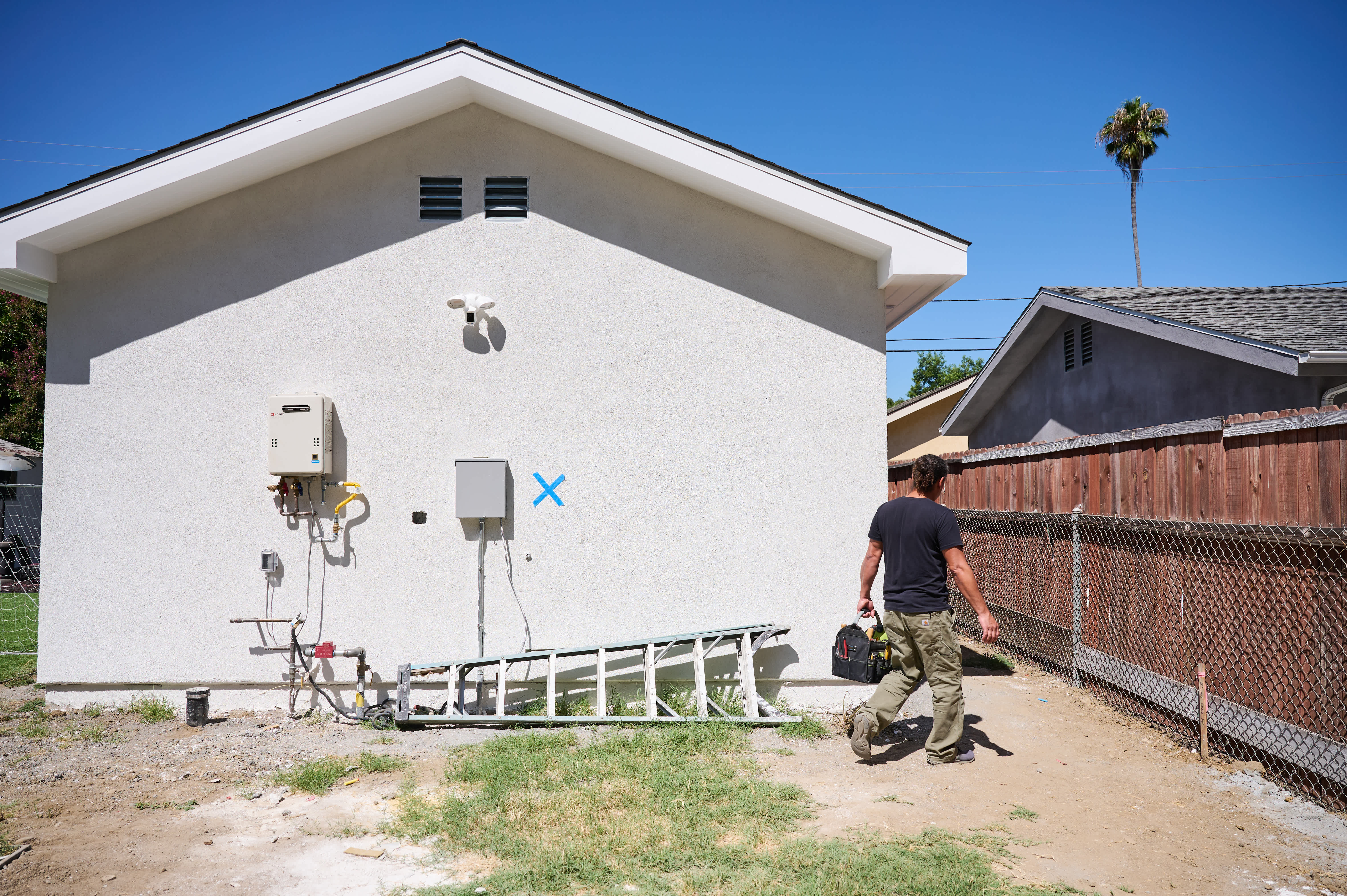
When installing an outdoor outlet, it's important to proceed with caution. Unless you have the necessary training and licensure, it's not recommended to attempt this DIY. First, choose a suitable location. Make sure that the area can accommodate the outlet without overloading the circuit. You'll also need to ensure that your project complies with building codes. Next, turn off the power to the circuit, then install and wire the outlet according to the manufacturer's instructions. Once the outlet is in place, test it. Lastly, be sure to use a cover that will protect it from moisture and other weather-related damage.
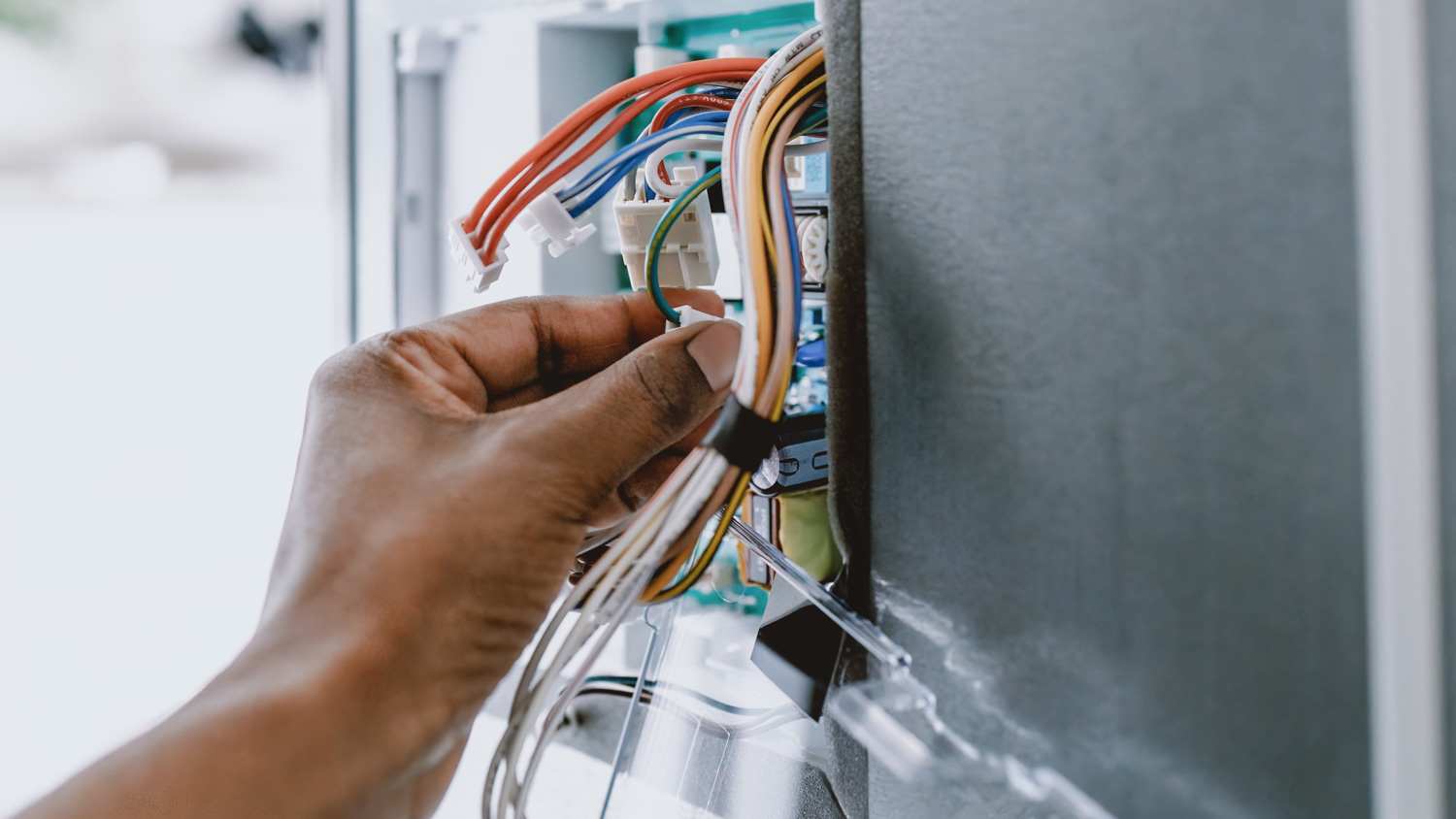
A C-wire connects your thermostat to your household heating and cooling system to provide continuous 24V power. The furnace's transformer converts household electrical current into this low-voltage power to operate the HVAC system's circuitry. In most configurations, the C-wire connects to the terminals labeled "C" on both the furnace's low-voltage terminal block and the thermostat. In some cases, if a dedicated C terminal is unavailable, the C-wire can be connected to the "G" (fan) terminal at the furnace.
At a minimum, you need an electrician to inspect the house wiring after a fire. The electrician will need to replace damaged or melted wires. If the electrical wiring is old, about 25 years or more, you should rewire the house after a fire. Old wiring can increase the risk of another fire, so replacing the wires is the safest option.
The Prescott, MI homeowners’ guide to electrical services
From average costs to expert advice, get all the answers you need to get your job done.
When wires are involved, it’s a good idea to hire a hot tub electrician—but is it totally necessary? This guide will give a rundown on which pro to call.