





Top-rated plaster repair specialists.

Get matched with top plaster repair specialists in Parma, MI

Enter your zip and get matched with up to 5 pros

Need a pro for your plaster repair project in Parma, MI?

Select your specific project to find the pro for you.

TRUSTED BY PARMA, MI HOMEOWNERS

  • Average homeowner rating star icon4
    Average homeowner rating
  • Verified reviews icon55
    Verified plaster repairs reviews

Find Plaster repair specialists in Parma

Avatar for Crawford's Drywall
Crawford's Drywall
5.0(
53
)
Plaster - InstallPlaster - Install - For BusinessPlaster - Repair+1 more

Serving Parma, MI and surrounding areas

Approved

Super Service Award Winner

In business since 1999

Free estimates

Emergency services offered

"Amazing work! They repaired the whole ceiling in our living area from a popcorn-ish mess to a smooth, modern look. They repaired and painted almost the whole house and it looks fantastic! Highly recommend."
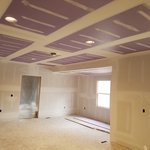
Drywall Project
Additional Photos
Additional Photos
Additional Photos
Additional Photos

+31

Response time7 hrs
Response rate100%
1 neighbors recently requested a quote

Avatar for Renaissance Restorations, Inc.
Renaissance Restorations, Inc.
4.4(
16
)
Plaster - RepairPlaster - Install

Serving Parma, MI and surrounding areas

Approved

In business since 1998

Free estimates

Warranties offered

"It was a steady process. Of course there were hiccups along the way, but with Renaissance & myself working as a TEAM on this project, everything was done & done well. I do believe that is KEY on any project, especially one of this size. I told Jamie at the beginning of the project that communication was VERY important to me. Jamie was quick to address any questions or concerns I had. He picked up my calls every time. I will hire Renaissance Restoration for all home improvements and/or updates."
Broader view of kitchen working together.
Pantry, oven, backsplash, under cabinet lighting.
Fixtures and kitchen.
Island, microwave, stove, Cambria Quartz and under cabinet lighting.
Island, color contrast

+90

26 neighbors recently requested a quote
Recommended by100%of homeowners
Done up
New to Angi
Plaster - InstallPlaster - Install - For BusinessPlaster - Repair+1 more

Serving Parma, MI and surrounding areas

Approved

Free estimates

Emergency services offered

Warranties offered

I’m a one-stop shop for all your maintenance needs, with a knack for tech and a wide range of skills in various trades. Nothing too big to tackle and nothing too simple I won’t accept. Not to mention I can promise to beat larger companies and there estimates every single time\n\n

1 neighbors recently requested a quote

Showing 1-10 of 37
Plaster Repair questions, answered by experts

Although they have similar applications, spackle and joint compound are not the same. Their primary differences lie in their composition, consistency, and ideal use cases.

Spackle is composed of gypsum and binding agents, making it thicker than joint compound. It dries quickly and is easy to sand, which makes it ideal for small wall repair projects like filling nail holes or patching minor damage.

Joint compound, also known as drywall mud, consists of limestone and gypsum. It is primarily used for large-scale projects, such as taping and finishing the seams on newly installed drywall. It tends to shrink more than spackle and can be more difficult to spread.

While both products can be used to fill small depressions and cracks, spackle cannot replace joint compound for taping and mudding new drywall. Conversely, you can often use joint compound for small patching jobs typically done with spackle.

Yes, you can use drywall repair techniques for some types of plaster damage. Tiny holes and small cracks in plaster can be patched in similar ways to drywall. You apply the necessary compound to fill the hole, wait for it to dry, then sand it down. For larger damage, like water damage or mold, you need to use plaster-specific techniques and materials.

Plaster ceilings can sag for several reasons. In some cases, the plaster and other building materials shift and come apart over time, which is why you’ll commonly find drooping plaster ceilings in older homes. Improper installation, foot traffic, and water damage—often from a leaky roof or a broken pipe—can also cause plaster ceilings to sag.

Smaller is better when patching holes with spackle. Any holes wider than four to six inches in diameter tend to be too wide to repair with spackle alone. You'll likely want to patch bigger holes with a drywall panel. 

Even holes measuring up to 6 inches may be challenging to fill with spackle alone. For best results, purchase a wall repair patch made from wire mesh. Cut the patch to fit over the hole, then use the spackle to hold it in place. Apply the spackle over the patch as you would for a smaller hole.

You can put certain types of plaster over other types, but doing so isn't always the best idea. For example, putting a coat of gypsum over lime plaster is possible, but doing so will limit the lime plaster's breathability and potentially affect its performance.

Since cement plaster tends to leave a textured surface, no matter how much you smooth it, some people prefer to use gypsum plaster as a topcoat over cement plaster, creating a smoother surface.

The Parma, MI homeowners’ guide to plaster repairs

From average costs to expert advice, get all the answers you need to get your job done.