








Top-rated generator install pros.

Get matched with top generator install pros in Mikado, MI

Enter your zip and get matched with up to 5 pros

Need a pro for your generator install project in Mikado, MI?

Select your specific project to find the pro for you.

Find Generator install pros in Mikado

Avatar for Jent Electric
Jent Electric
4.6(
91
)
Fixed Generator - Install

Serving Mikado, MI and surrounding areas

In business since 2000

Free estimates

"Jent installed a generator and upgraded my fusebox. Tim and his crew showed up on time and completed everything promised. Price was competitive. What I liked was Jents response from the first call to the installtion was done quickly. Tim was very patient explaining everything to me about my generator. Any future electrical work will definitely be done by him."
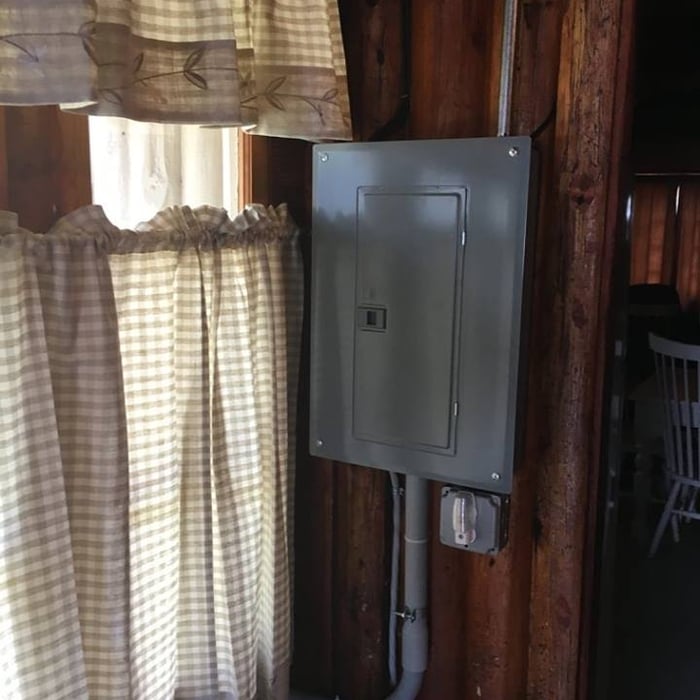
SERVICE RELOCATION
SERVICE RELOCATION
PANEL CONSOLIDATION
PANEL CONSOLIDATION
NEW PANEL

+8

Response time2 days
Recommended by98%of homeowners

Avatar for Dark30 Services
Dark30 Services
New to Angi
Fixed Generator - InstallPortable Generator - Install

Serving Mikado, MI and surrounding areas

Free estimates

Emergency services offered

Warranties offered

We specialize in electrical but over the years as time went onward we have also gained other skills as well. Today, we not only offer services in electrical, but also in: plumbing, carpentry, HVAC, handyman. We have been in the skilled trades for 29 years. If anything, we are a company that believes in honesty to do the job sought after, gaining respectful trust and showing true professionalism while we do our work.

Generator Install questions, answered by experts

Energy output depends on turbine size, average wind speed at your site, and system efficiency. A 5 kW turbine in a good wind location can generate 8,000 to 12,000 kilowatt-hours per year, which may cover a large portion of an average home’s needs. Accurate output estimates require a professional wind assessment and a review of your household’s energy usage patterns.

Most homeowners won't be able to claim a home generator as a tax write-off. However, a whole-house generator may be tax-deductible in certain situations depending on its purpose. For instance, if it's needed to power essential medical equipment, it may qualify as a medical expense deduction. Also, in some cases, businesses can deduct a generator as a business expense if it supports operations. Always consult a tax professional to determine eligibility based on your specific circumstances and the applicable IRS regulations.

To determine the right size generator for your house, you should calculate the total wattage of the appliances and devices you want to power during an outage. List all essential items, note their start-up wattages, and add them together.

Here are some typical wattage requirements for common appliances:

  • Refrigerator: 600 watts

  • Large dehumidifier: 700 watts

  • Large window air conditioner: 1,400 watts

  • Water heater: 3,000 to 4,500 watts

  • Electric furnace: 5,000 to 25,000 watts

A 7,500-watt generator might be sufficient for essentials like a refrigerator, freezer, well pump, and lighting circuits. However, for high-demand items like a water heater or furnace, a whole-home generator is a better choice. A portable generator may be enough if you only need to power a few critical items.

While home square footage can offer a rough estimate, it is not always a reliable indicator. For reference, here are some typical generator sizes based on square footage:

  • 1,000 sq ft: 6–9 kW

  • 1,500 sq ft: 7–10 kW

  • 2,000 sq ft: 10–14 kW

  • 2,500 sq ft: 12–16 kW

  • 3,000 sq ft: 16–20 kW+

For the most accurate sizing, consult a professional who can calculate your home's peak and average power consumption and recommend the optimal generator.

Whole-house generators can run continuously for extended periods, even for weeks at a time (around 400 to 500 hours), as long as they have a sufficient fuel supply. However, this type of extensive use will increase wear and tear and can shorten the generator's overall lifespan. During long periods of operation, it's important to check and refill the engine oil as needed, potentially as frequently as daily depending on the model. If your generator uses a fuel tank, ensure it is kept full to prevent unexpected shutdowns.

Yes, installing a generator usually increases your property value because buyers are getting the added peace of mind knowing they’ll be able to maintain power through blackouts. In most cases, you should see close to a 100% return on investment (ROI). Keep in mind that home generators usually need a permanent foundation, and installing a concrete slab will likely raise your property taxes slightly.

The Mikado, MI homeowners’ guide to generator installs

From average costs to expert advice, get all the answers you need to get your job done.