








Top-rated generator install pros.

Get matched with top generator install pros in Glennie, MI

Enter your zip and get matched with up to 5 pros

Need a pro for your generator install project in Glennie, MI?

Select your specific project to find the pro for you.

Find Generator install pros in Glennie

Avatar for Jent Electric
Jent Electric
4.6(
91
)
Fixed Generator - Install

Serving Glennie, MI and surrounding areas

In business since 2000

Free estimates

"Jent installed a generator and upgraded my fusebox. Tim and his crew showed up on time and completed everything promised. Price was competitive. What I liked was Jents response from the first call to the installtion was done quickly. Tim was very patient explaining everything to me about my generator. Any future electrical work will definitely be done by him."
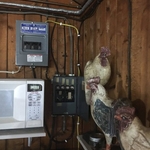
SERVICE RELOCATION
SERVICE RELOCATION
PANEL CONSOLIDATION
PANEL CONSOLIDATION
NEW PANEL

+8

Response time2 days
Recommended by98%of homeowners

Avatar for Dark30 Services
Dark30 Services
New to Angi
Fixed Generator - InstallPortable Generator - Install

Serving Glennie, MI and surrounding areas

Free estimates

Emergency services offered

Warranties offered

We specialize in electrical but over the years as time went onward we have also gained other skills as well. Today, we not only offer services in electrical, but also in: plumbing, carpentry, HVAC, handyman. We have been in the skilled trades for 29 years. If anything, we are a company that believes in honesty to do the job sought after, gaining respectful trust and showing true professionalism while we do our work.

Generator Install questions, answered by experts

Generally, you’ll want to keep between 60 and 70 feet between the generator and the transfer switch. There are a few reasons for this, including:

  • The distance reduces the noise coming from the generator into your home.

  • It increases efficiency because you won’t have a voltage drop from this short of a distance.

  • Prevents carbon monoxide poisoning: keep at least 15 feet between your generator and an open window. 

It’s usually better to repair your generator if it isn’t working properly, as it will typically be much more affordable and should yield similar results. Generator repairs cost around $300 on average, while installing a new whole-house generator costs around $5,000 on average. The only exception is if you know your generator is reaching the end of its useful life, usually between 30 and 40 years. If you have an older generator, you could face multiple repairs in the coming years, which might mean that a full replacement will be more cost-effective over time.

The cost to install a whole-house generator averages $5,200, with a typical price range of $1,500 to $8,900. However, total costs can vary from $400 for a small portable unit to over $18,000 for a large-capacity system. The most significant cost factor is the generator's size and capacity, but other variables include the brand, fuel type, and labor for assembly and installation.

Generator costs can be broken down by type:

  • Portable or Emergency Backup Generators (1kW–7.5kW): $500 to $2,000

  • Partial-Home Generators (9kW–20kW): $2,000 to $6,500

  • Whole-House Generators (22kW–48kW): $5,000 to $18,000

To avoid paying for more power than you need, consider hiring an electrician to calculate the electrical load for your essential appliances. It is also recommended to get at least three quotes to find the best deal for your specific needs and budget.

If you’re wondering whether gas generators produce carbon monoxide, know that natural gas generators do not produce carbon monoxide if they are functioning properly, as natural gas burns cleanly. However, if the generator malfunctions and the gas does not burn completely, there is potential for carbon dioxide to be produced. To prevent malfunctions, it's crucial to perform regular maintenance, including running the generator weekly and scheduling professional inspections every 6 to 12 months. Also, be sure to test your carbon monoxide detectors regularly to ensure they function in the rare case of the generator producing carbon monoxide.

Homeowners can often access federal tax credits, such as the Investment Tax Credit (ITC), which covers a percentage of installation costs. Many states and utilities offer additional rebates, grants, or performance-based incentives. These programs can significantly lower your upfront investment. Check the Database of State Incentives for Renewables and Efficiency (DSIRE) or contact your local energy office for current offers.

The Glennie, MI homeowners’ guide to generator installs

From average costs to expert advice, get all the answers you need to get your job done.