





Get matched with top generator install pros in Comins, MI
Top-rated generator install pros.

Need a pro for your generator install project in Comins, MI?

Select your specific project to find the pro for you.

Find Generator install pros in Comins

Avatar for Jent Electric
Jent Electric
4.6(
91
)

Serving Comins, MI and surrounding areas

In business since 2000

Free estimates

"Jent installed a generator and upgraded my fusebox. Tim and his crew showed up on time and completed everything promised. Price was competitive. What I liked was Jents response from the first call to the installtion was done quickly. Tim was very patient explaining everything to me about my generator. Any future electrical work will definitely be done by him."
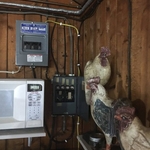
SERVICE RELOCATION
SERVICE RELOCATION
PANEL CONSOLIDATION
PANEL CONSOLIDATION
NEW PANEL

+8

Response time2 days
Recommended by98%of homeowners

Avatar for Dark30 Services
Dark30 Services
New to Angi

Serving Comins, MI and surrounding areas

Free estimates

Emergency services offered

Warranties offered

We specialize in electrical but over the years as time went onward we have also gained other skills as well. Today, we not only offer services in electrical, but also in: plumbing, carpentry, HVAC, handyman. We have been in the skilled trades for 29 years. If anything, we are a company that believes in honesty to do the job sought after, gaining respectful trust and showing true professionalism while we do our work.

Generator Install questions, answered by experts

Portable generators provide backup power for essential appliances during outages and are easy to relocate.

To determine the right size generator for your house, you should calculate the total wattage of the appliances and devices you want to power during an outage. List all essential items, note their start-up wattages, and add them together.

Here are some typical wattage requirements for common appliances:

  • Refrigerator: 600 watts

  • Large dehumidifier: 700 watts

  • Large window air conditioner: 1,400 watts

  • Water heater: 3,000 to 4,500 watts

  • Electric furnace: 5,000 to 25,000 watts

A 7,500-watt generator might be sufficient for essentials like a refrigerator, freezer, well pump, and lighting circuits. However, for high-demand items like a water heater or furnace, a whole-home generator is a better choice. A portable generator may be enough if you only need to power a few critical items.

While home square footage can offer a rough estimate, it is not always a reliable indicator. For reference, here are some typical generator sizes based on square footage:

  • 1,000 sq ft: 6–9 kW

  • 1,500 sq ft: 7–10 kW

  • 2,000 sq ft: 10–14 kW

  • 2,500 sq ft: 12–16 kW

  • 3,000 sq ft: 16–20 kW+

For the most accurate sizing, consult a professional who can calculate your home's peak and average power consumption and recommend the optimal generator.

If you’re wondering if you can use your electric vehicle as a backup battery, it depends on whether your EV is compatible with bidirectional charging. This technology allows energy to flow both ways, enabling vehicle-to-home (V2H) backup power, vehicle-to-load (V2L) for appliances and camping, and vehicle-to-grid (V2G) to support the power grid. Compatible EVs convert stored DC energy into usable AC power, helping reduce energy costs and enhance grid stability while providing emergency backup power.

A 1,500 square foot home will likely need a 15kW to 20kW generator. When deciding on whole-house generator size, add up the total wattage of the devices that you’d like to continue running during a power outage. That way, you can ensure you purchase a generator that can power your necessary appliances or medical equipment during an electrical emergency.

DIY is possible for basic setups. Professional installation ensures safe and proper electrical connections.

The Comins, MI homeowners’ guide to generator installs

From average costs to expert advice, get all the answers you need to get your job done.