





Top-rated pool table assembly pros.

Get matched with top pool table assembly pros in Michigan Center, MI

Enter your zip and get matched with up to 5 pros

Need a pro for your pool table assembly project in Michigan Center, MI?

Select your specific project to find the pro for you.

TRUSTED BY MICHIGAN CENTER, MI HOMEOWNERS

  • Average homeowner rating star icon4.5
    Average homeowner rating
  • Verified reviews icon257
    Verified pool table assembly services reviews

Find Pool table assembly pros in Michigan Center

Avatar for Gary Eugene Davis, Jr.
Gary Eugene Davis, Jr.
4.2(
140
)
Handyman for Multiple Small Projects

Serving Michigan Center, MI and surrounding areas

Approved

In business since 2010

Free estimates

Emergency services offered

"Gary communicated very well, which I think makes a huge difference when working with a new contractor for the first time. He was thorough in the job as well as with his communication. He completed the job in a very timely manner and was extremely trustworthy. He was honest when it came to pricing and the timeline in which he could finish the job. He offered suggestions for different looks of what I wanted and more cost-efficient ideas. It was an overall seamless process for me in terms of working with Gary, and I was beyond happy with the result of the project"
 Door sll installed
 Trim, Doors, Built In Shelves
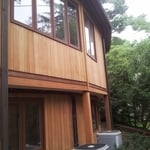
 All Siding was restored with sanding equipment
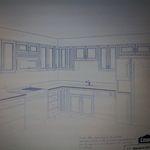
 Small Kitchen with layout Plan
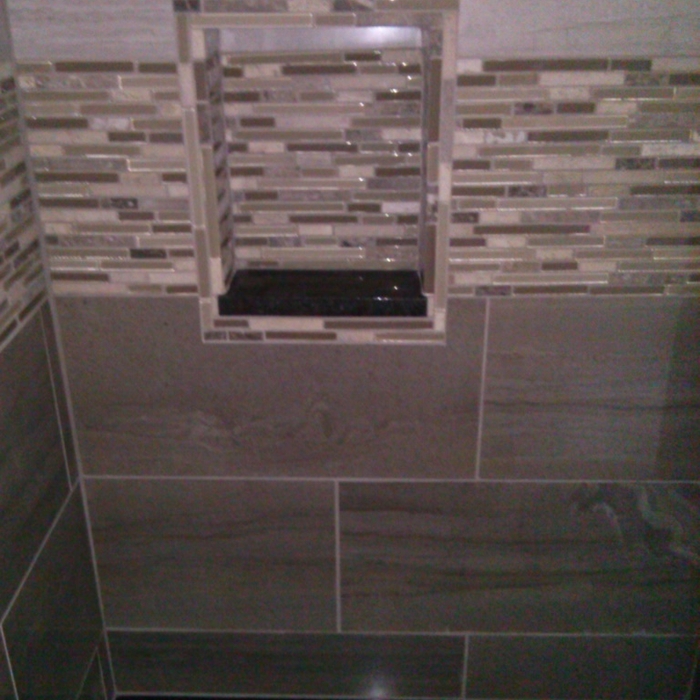
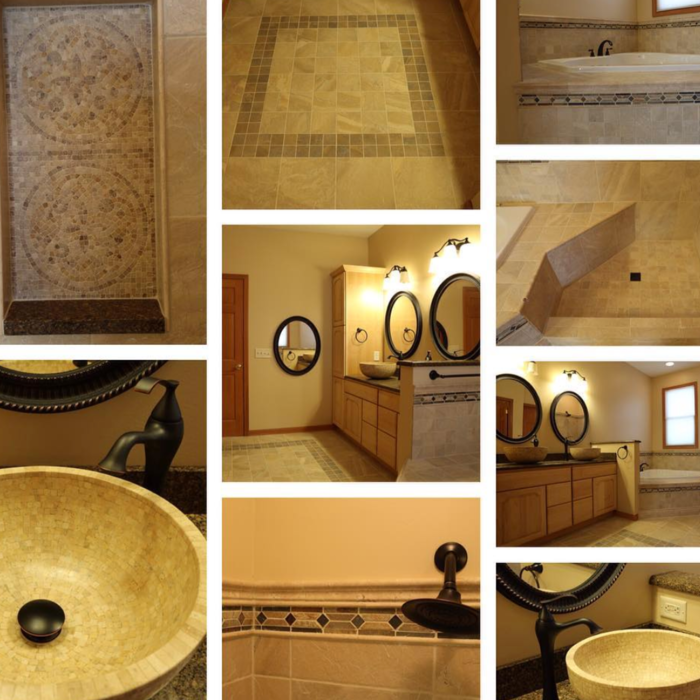
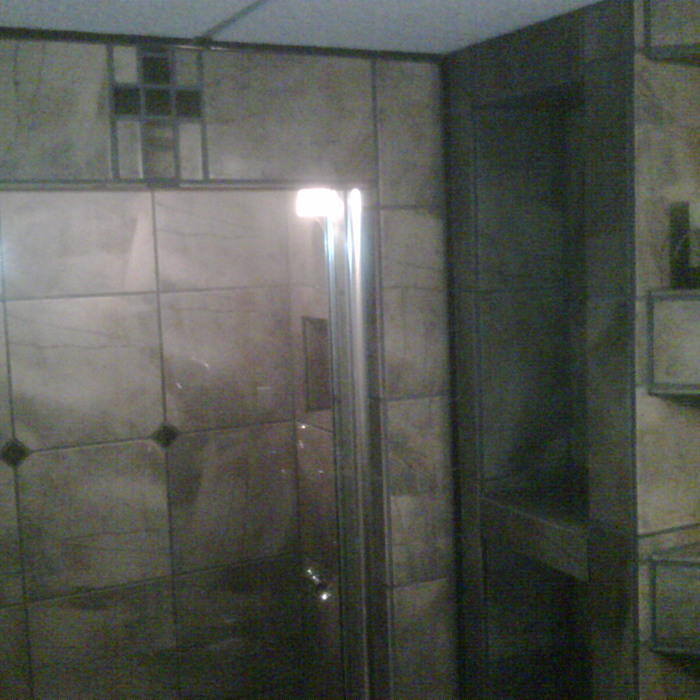
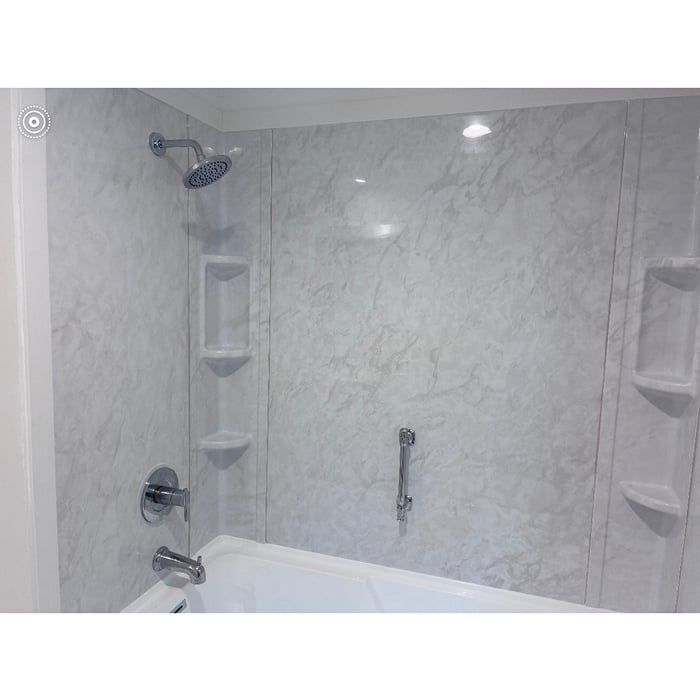
 Built in Tile Shower/Shelves

+101

15 neighbors recently requested a quote
Recommended by100%of homeowners
...
Showing 1-10 of 144
Pool Table Assembly questions, answered by experts

Yes, you should keep your pool pump running when adding salt, and leave it running for 24 to 48 hours. This will help circulate the salt to ensure even distribution. You will want to turn off your pool’s salt chlorine generator before adding salt and leave it off until it fully dissolves. Check your manufacturer’s instructions for steps specific to your saltwater pool maintenance.

You'll feel the most comfortable in pool water between 78 and 82 degrees Fahrenheit. Lower temperatures are a bit brisk, while higher temperatures can lead to algae and cloudy pool water. Choose a pool heater that either runs automatically when your water dips below 78 or switch it on several hours before using the pool for the day.

You can avoid pool collapse—known as pool pop in an inground pool—if you follow the instructions on how to drain your pool safely. Wait for a temperate, dry day and slowly remove the water with a sump pump, hose, or the attached drains and hydrostatic plugs.

Installing a pool chiller can give you more control over the temperature of your pool, especially if you live in a climate with hot summers. Just a few degrees of cooling can make your swim feel more refreshing and allow you to use fewer pool chemicals by slowing down the growth of algae. You might not need a pool chiller if you live in a climate in which temperatures tend to dip at night.

Yes, it's normal for pool pumps to make noises—like a humming or gentle rumbling sound. But if your pool pump is making loud noises, then this could indicate an underlying problem. Sounds to keep an ear out for include grinding, whining, screeching, and banging noises. Also, pay attention to any new or louder sounds emanating from your pump.

The Michigan Center, MI homeowners’ guide to pool table assembly services

From average costs to expert advice, get all the answers you need to get your job done.