



Top-rated ceramic tile pros.

Get matched with top ceramic tile pros in Manistique, MI

Enter your zip and get matched with up to 5 pros

Need a pro for your ceramic tile service project in Manistique, MI?

Select your specific project to find the pro for you.

Find Ceramic tile pros in Manistique

Avatar for Eric Gustafson
Eric Gustafson
5.0(
12
)

Serving Manistique, MI and surrounding areas

Approved

Free estimates

Emergency services offered

Warranties offered

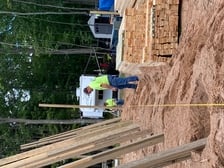
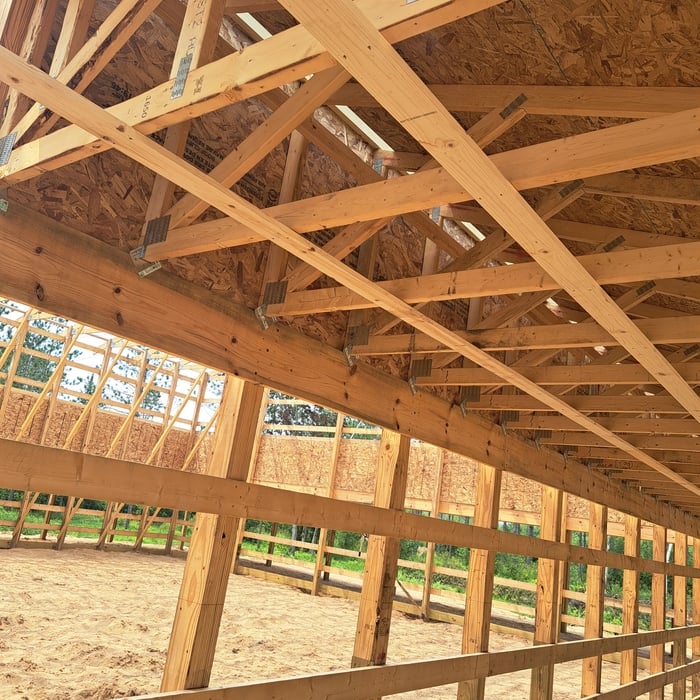
"He built a pole barn from start to finish and we couldn’t be more happy with his work. He is a hard worker who showed up on time everyday when he said he would be there."
Berg Barndominium
Berg Barndominium
Berg Barndominium
Berg Barndominium
Berg Barndominium

+70

6 neighbors recently requested a quote
Showing 1-10 of 13
Ceramic Tile questions, answered by experts

Ceramic tile adheres best with premixed adhesive or mortar. If you’re installing the tile in an area with moisture, such as a bathroom or kitchen, opt for waterproof adhesive, and if you choose mortar, make sure it’s thick because that is the easiest to work with and ensures the tiles will sit flat.

On average, tiling a bathroom involves about 12 hours of labor, usually spread over two to three days to accommodate prep work and curing times. A professional tiler can often complete the installation in 6 to 8 hours, whereas a DIYer might take 10 to 16 hours. The total project time is influenced by factors like the bathroom layout, tile type, and necessary prep work, such as removing old tile. The process includes specific timelines for different areas; for example, tiling a floor takes about six hours, while a shower area can take six to ten hours. It is essential to allow for adequate curing time—typically 24 hours each—for the mortar, grout, and caulk, which is why the project extends over several days.

Porcelain is a relatively affordable, mid-range countertop material. It typically costs between $50 to $70 per square foot.

Compared to quartz, porcelain is slightly more affordable, as quartz generally ranges from $50 to $200 per square foot. However, lower-quality, builder's grade quartz can be similar in price to porcelain.

Compared to granite, the price can be similar, depending on the quality of the stone. While granite slabs can range from $50 to $200 per square foot, you can find lower-end granite in the same price range as porcelain. High-end granites will cost significantly more.

Porcelain is generally more expensive than laminate, acrylic, and ceramic, but less expensive than high-end slate, concrete, and marble. A key benefit is that porcelain does not require sealing, which reduces long-term maintenance costs.

The choice of whether to tile or use an acrylic tub surround is up to you and can be based on a number of factors, including aesthetics, cost, waterproofing, ease of cleaning, and maintenance.

Tile is a beautiful, classic bathtub surround choice; while tile installation cost is higher, it’s customizable and offers visual appeal. Tile is also harder to clean and presents waterproofing problems because of grout lines. Acrylic surrounds can be more affordable, don’t require much maintenance, and are easier to clean. However, they aren’t usually as visually appealing and may need to be replaced if they become damaged.

Bathrooms are naturally moisture-rich environments, so choose a durable, water-resistant tile for your tub surround. Porcelain and ceramic are two popular options that are also quite affordable. Glass is another good option that’s also low-maintenance—you just need a glass cleaner like you would use on the bathroom mirror. Natural stone tile is porous, but it’s still a viable option if you choose it in a glazed version.

The Manistique, MI homeowners’ guide to ceramic tile services

From average costs to expert advice, get all the answers you need to get your job done.