





Top-rated water softener pros.

Best water softener pros near Hudson, MI

Enter your zip and get matched with up to 5 pros

Need a pro for your water softener service project in Hudson, MI?

Select your specific project to find the pro for you.

Top-Rated Water softener pros in Hudson - Updated Nov 2026

Avatar for IRONpro Water Treatment
IRONpro Water Treatment
5.0(
1
)
Water Treatment & Purification System - Install or Replace

Serving Hudson, MI and surrounding areas

Approved

In business since 1995

Free estimates

Credit card accepted

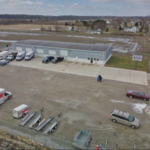
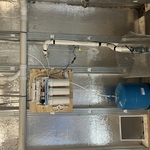
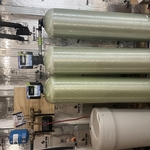
IRONpro is a family-owned and operated water treatment company, founded in 1995. We offer a complete spectrum of custom water-treatment solutions to fit the individual needs of each applicant. Our certified water specialists have decades of experience in treating problem water throughout Northwest Ohio and Southeastern Michigan. We strive to provide the highest-quality, most cost-effective, and environmentally-friendly water treatments to meet your needs.

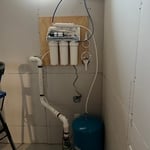
Reverse Osmosis System
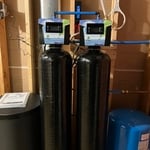
Chemical Free Iron Filter
Reverse Osmosis System
Whole House Filter System
Response time8 hrs
Avatar for Michigan Pure Water Company
Michigan Pure Water Company
5.0(
3
)
Water Treatment & Purification System - Install or Replace

Serving Hudson, MI and surrounding areas

In business since 2016

Free estimates

Warranties offered

Michigan Pure Water Company is your very best option for all your water treatment and purification needs. We always offer the very best pricing, excellent customer service and superior workmanship on every job we do. Call us now for a quote!

Response time6 hrs
Recommended by100%of homeowners
Showing 1-10 of 17
Water Softeners FAQs, answered by experts
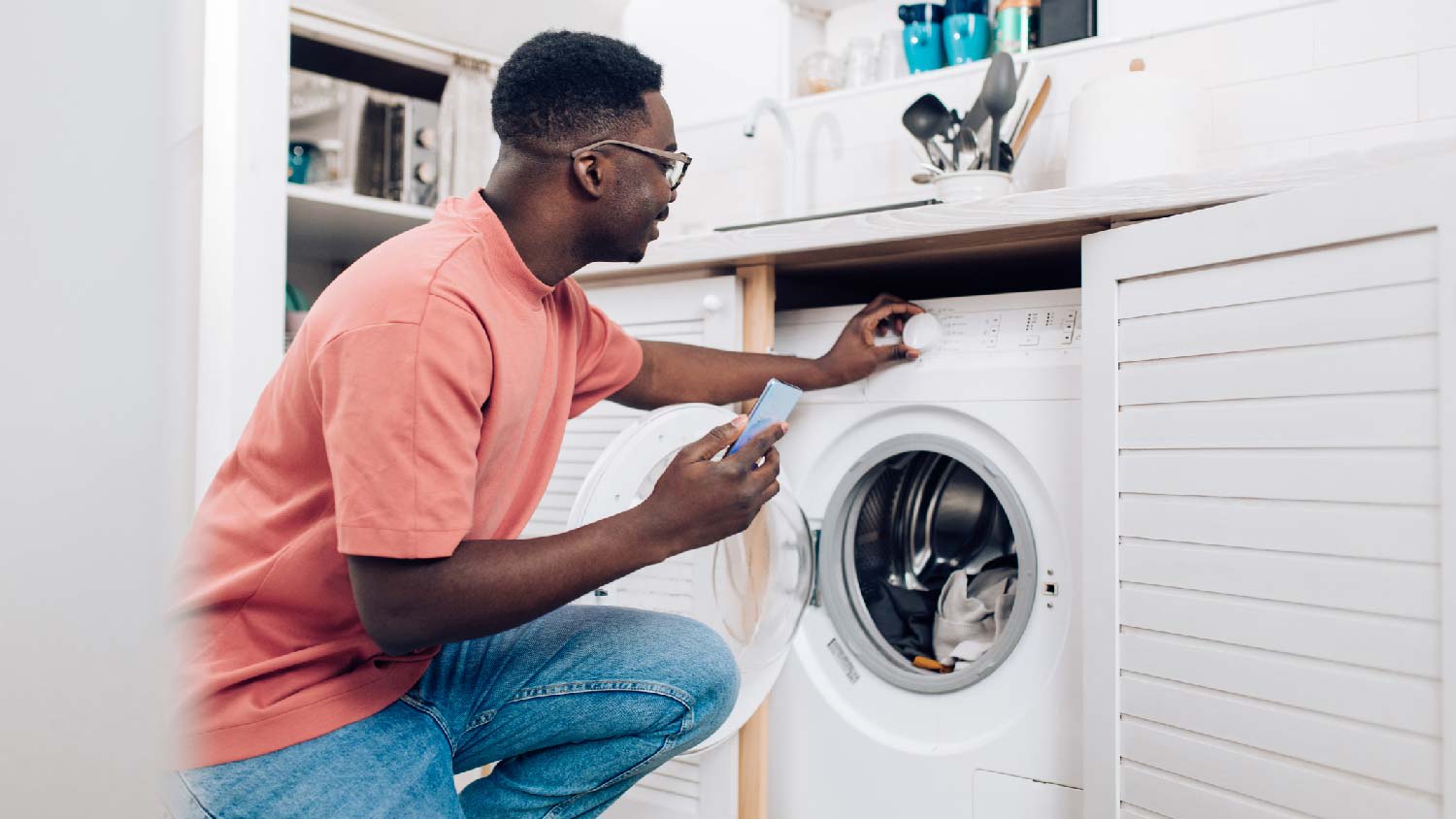
A tankless water heater should be at least 10 feet away from a water softener, although the pros you hire for water softener installation can help you determine the correct distance. These two units need to have some distance between them to prevent hot water from the tankless water heater from flowing backward into the water softener when it runs a regeneration cycle.

Whether you need a license or permit for water softener installation depends on your location. Some municipalities require the installer to hold a plumbing license, while others may only require a permit and an inspection. In some cases, both a permit and a licensed installer are necessary, and some areas have no requirements at all. Often, only certified plumbers and electricians are allowed to pull the necessary permits. To find out the specific regulations in your area, you can contact your local building department. Alternatively, a local water softener installer or plumber will be familiar with the requirements and can typically pull the permits for you. Regardless of local laws, it is always recommended to hire a licensed professional to ensure the system is sized and installed correctly. You can use tools like Angi’s state licensing tool to verify an installer's license status.
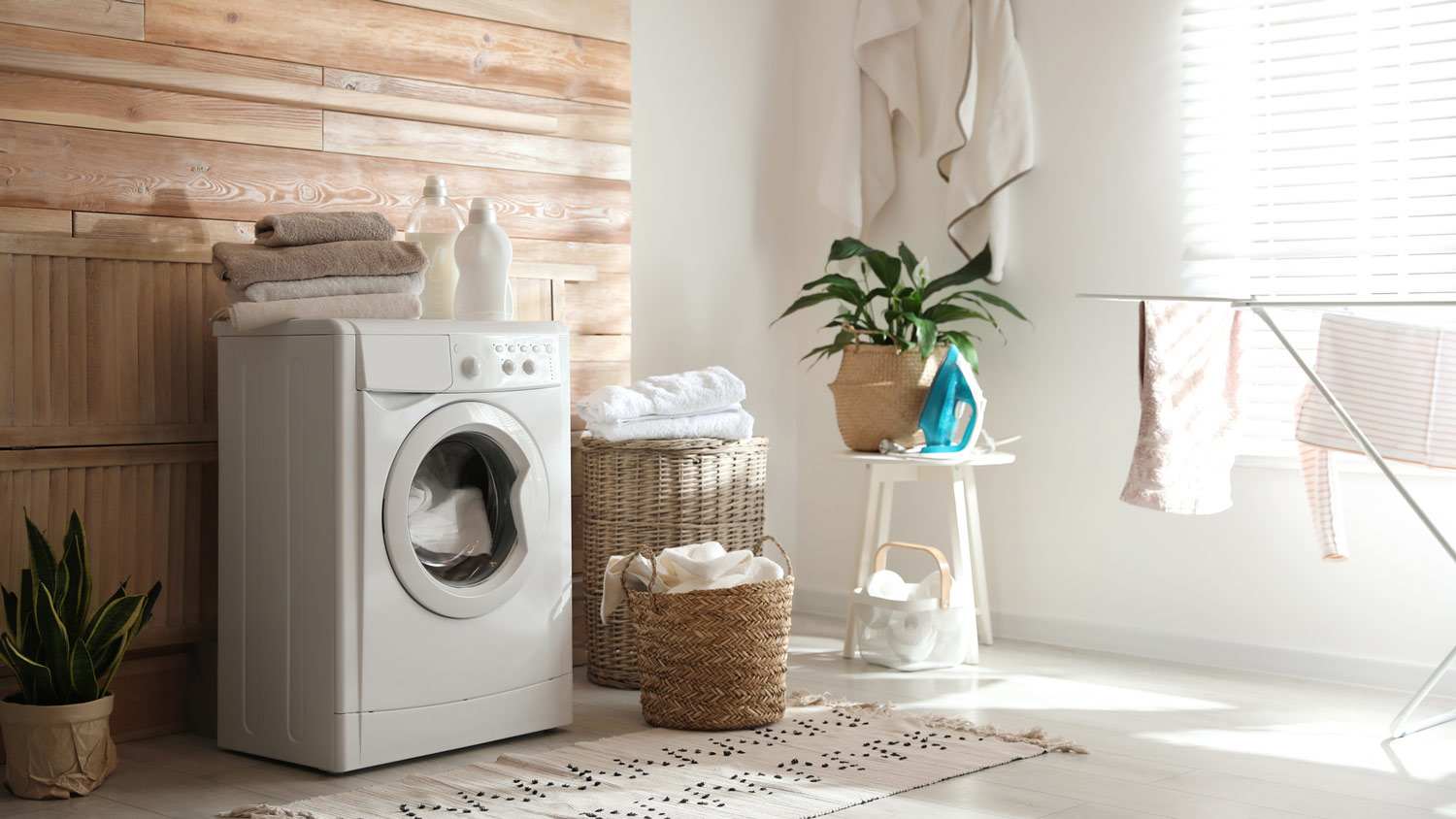
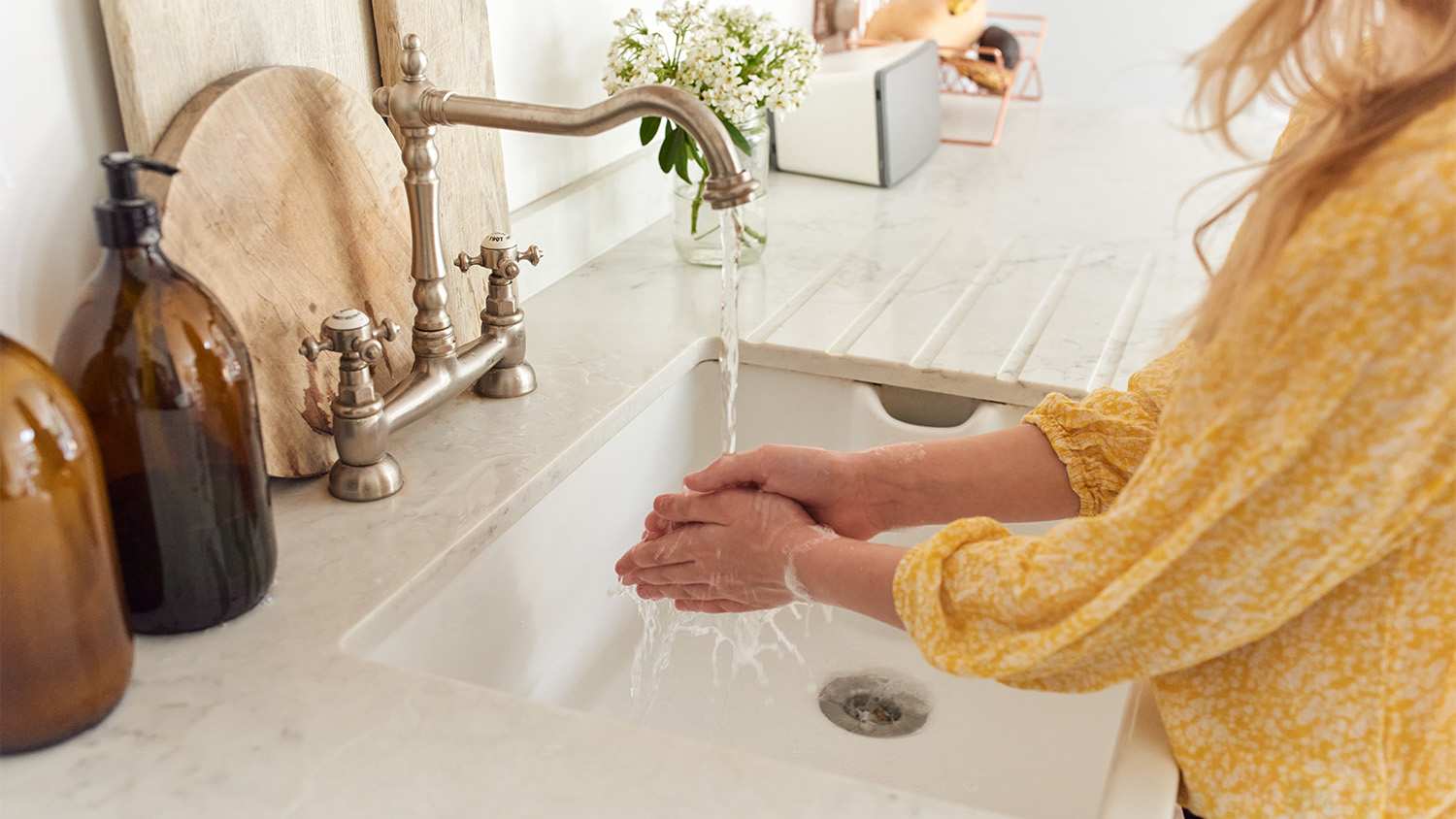

Routine maintenance involves recharging the resin bed with salt or potassium, cleaning components, and periodic inspection.

The most accurate way to determine whether you have hard water is to purchase a water test kit from a hardware store or send a tap water sample to a lab. But there are some signs you can look out for without professional testing. For instance, if you're consistently dealing with mineral stains on your glassware, windows, and shower doors, you're likely to have hard water. Hard water can also make it harder to lather and rinse soap, so if you're struggling to work up a good lather in the shower, hard water might be the culprit.

A water softener is a worthwhile investment if you live in an area with hard water. While hard water is safe to drink, it contains minerals like calcium and magnesium that can cause significant problems over time. These minerals build up inside pipes, reducing water flow and eventually corroding the plumbing system, which can lead to leaks and a shortened lifespan. Hard water also damages fixtures and appliances, potentially resulting in costly repairs. Additionally, it makes soaps and detergents less effective, meaning you'll use more product to get things clean. By installing a water softener, you can prevent these issues. The initial investment is often recouped through long-term savings, including lower energy bills, reduced appliance and plumbing maintenance, and spending less on soap and cleaning supplies. Other benefits include cleaner linens, dishes, and clothing, as well as softer water that is gentler on your skin and hair. In some areas, a water softener can also increase your home's value, making it a valuable long-term investment.

The Hudson, MI homeowners’ guide to water softener services

From average costs to expert advice, get all the answers you need to get your job done.