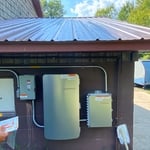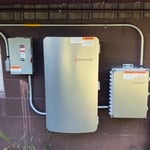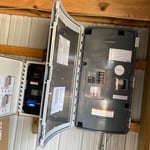



"Very well. Did a diagnosis on the electrical and checked freon levels. Found a dead frog inside the control panel and removed it. also checked the capacitor for continuity and function. When he was finished the AC was working again. :-)"
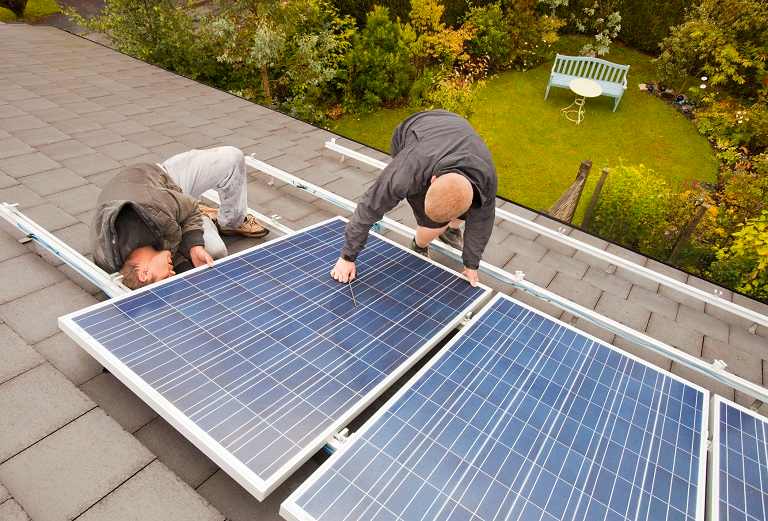
"The work was done quickly, and everyone was extremely friendly and helpful. The only delay was waiting for the electric company to do their part. I'm thrilled to have my panels up and running!"
"The technicians did a great job on the installation of the solar panels and the equipment that goes along with the panels. They were total professionals! They were also instrumental in getting everything up and running the way it should. Custom Home Service did a great job taking care of the details, and always had time for any of our questions. They did a great job!!"
"Reset the unit and left an estimate for replacing the elements. We will definitely call them to get the elements done once we move home in a few weeks."
"I would highly recommend them. They were very friendly, clean and nice. They told us what to expect and nothing but all good. I didn't have to pay anything."
"The Tech came out and due to the parts shortage he was not able to replace the front panel so Choice warranty gave me a voucher to replace it. I'm very pleased with their services. All I paid was the service fee."
"This is the second time we've had work done with them and I can?t imagine using anyone else. Their rates are reasonable and they do everything in the timeframe they say. They did a great job."
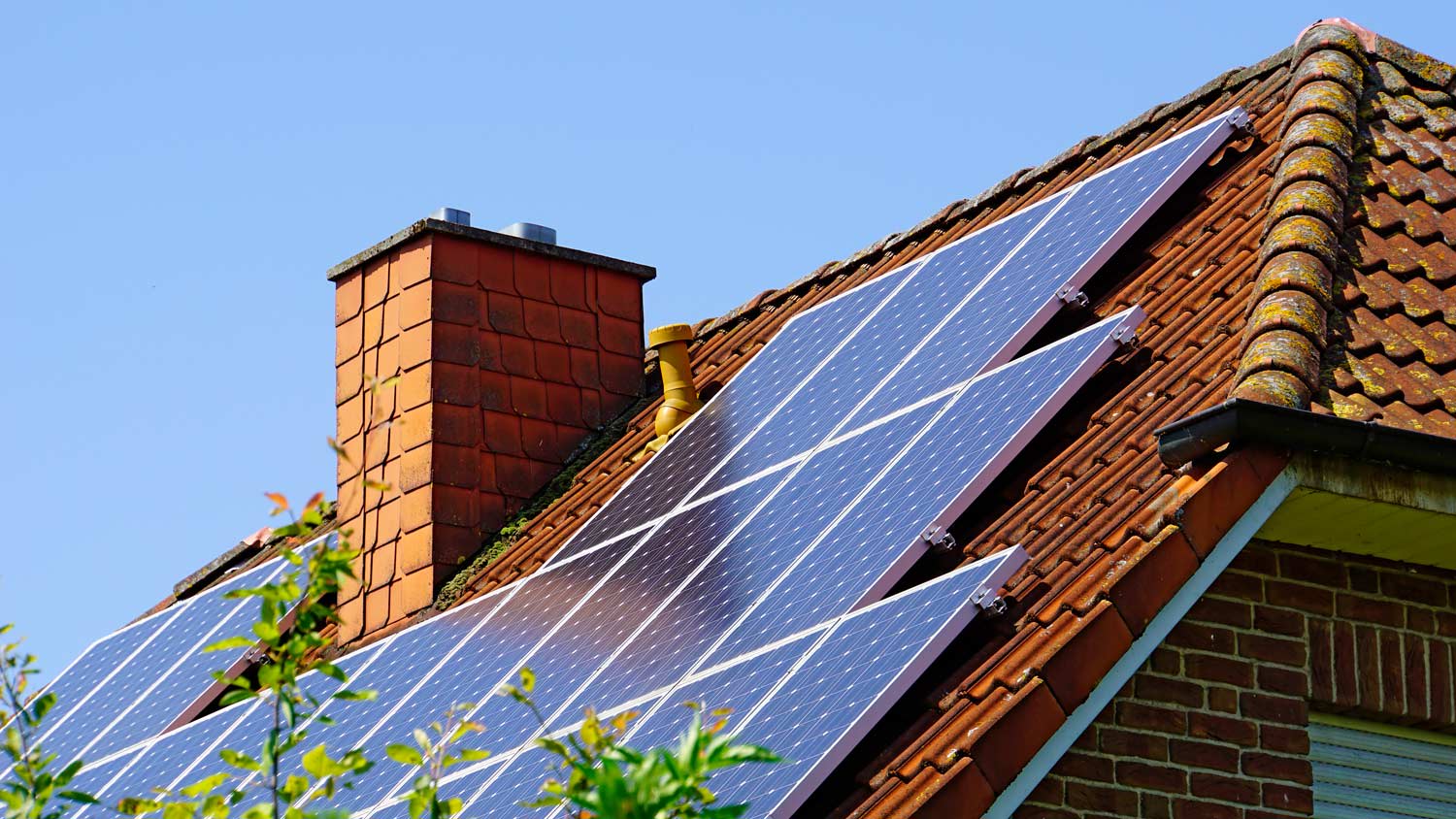
Yes, you should tell your home insurance company about your solar panels. Even if you believe they’re covered by your existing policy, installing a solar panel system is a significant change to your home. This can affect coverage and premiums. By discussing your new solar panel installation with your insurance provider, you can be sure you have enough coverage and that the policy completely covers the panels against damage.
Yes, you have to get on the roof to cut a hole for solar tubing. It's not possible to complete the job from inside your house by simply cutting through the ceiling. So if you want to go the DIY route, remember to use safe ladder practices. If you’re not comfortable climbing on your roof to install solar tubes, hire a pro who has the tools and expertise to do the job safely.
The best way to save money on solar panels is to take advantage of federal and state solar incentives. For example, the solar investment tax credit (ITC) offered by the federal government can save 30% of your total—if you can take the entire credit, which is based on income taxes owed—or an average of around $9,000. You can check the Database of State Incentives for Renewables and Efficiency (DSIRE) for state and local incentives that could save you even more.
The time it takes to install solar panels depends on the number of panels and the size of your home, but installation takes between two and three days of work. While most contractors can install the panels over the course of a couple of days, switching to solar energy can take two to three months in total. This includes the time it takes to design the system, procure the parts, obtain the permits, install the panels, connect to the main power grid, and get an inspection.
Yes, going solar really saves money. In fact, according to some calculations, the average homeowner who switches from electric to solar power will save almost $2,000 a year on energy costs. While buying solar panels and switching to solar can be costly up front, the savings add up over time. If you can sell back extra energy or take advantage of tax incentives, your savings can be even higher.
The Holt, MI homeowners’ guide to solar panel services
From average costs to expert advice, get all the answers you need to get your job done.
There are a few factors to consider when it comes to solar panel repair costs. This guide breaks down the prices of solar panel removal, repair, and replacement.
Find out how much it costs to remove solar panels, including average prices, key cost factors, and tips to save money on your solar panel removal project.
There are three types of solar panels: monocrystalline, polycrystalline, and thin-film. Before choosing one for your home, here are the pros and cons of each.
If you’re making the switch to solar energy, you’ll want to know the difference between solar panels versus solar shingles. Here are the pros and cons of each.