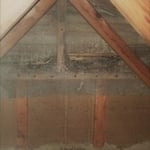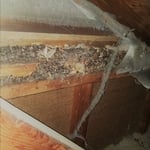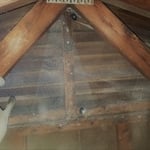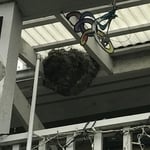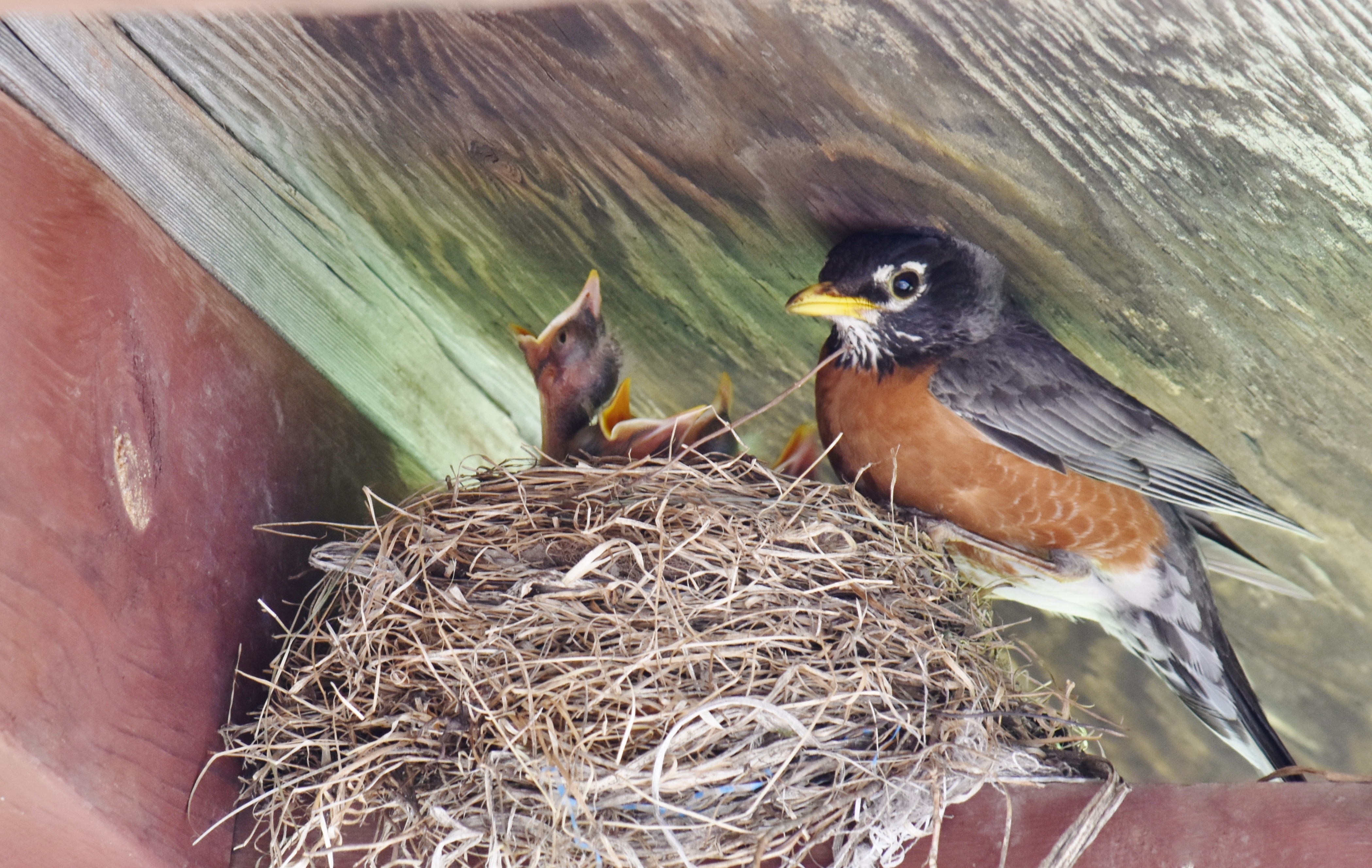

"They were very thorough with the inspection and the team sealed all gaps to prevent birds from getting in and nesting in my house. They arrived to do the work on time and were professional and courteous."
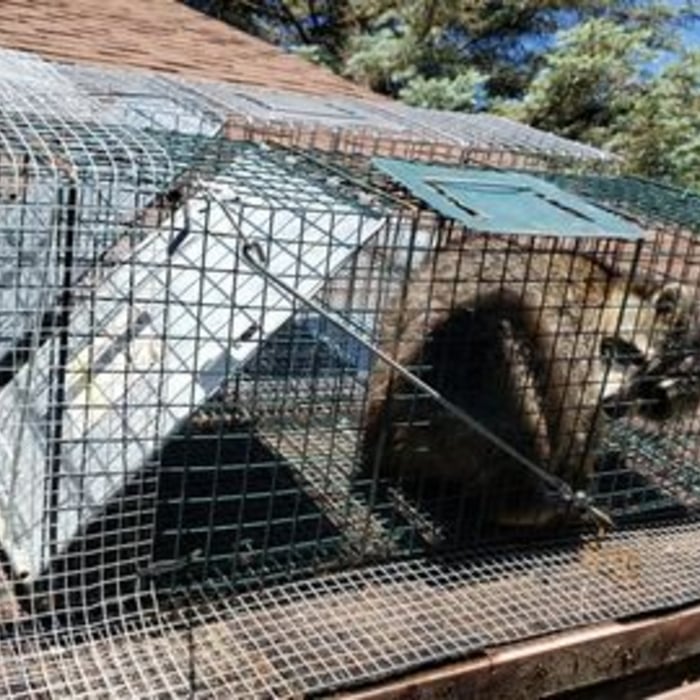
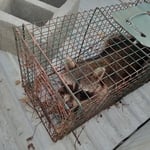
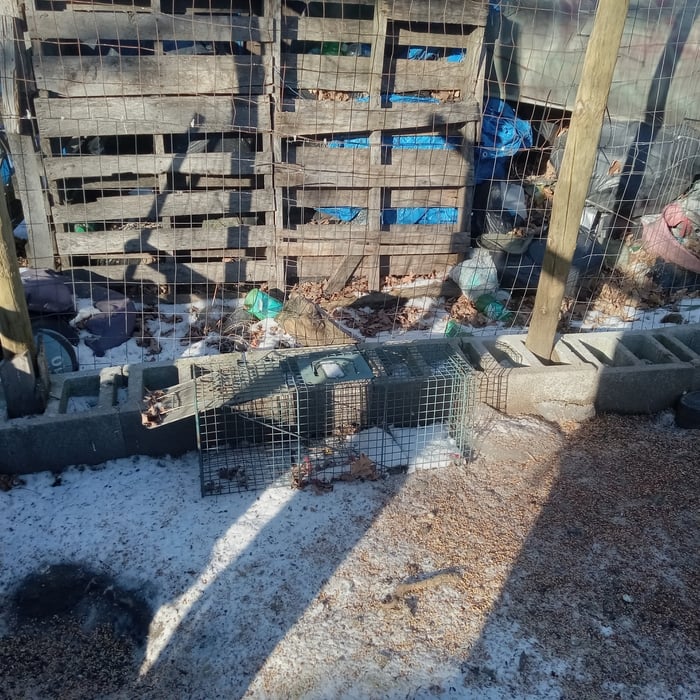
"Did a great job! Nathan and Jacob caught and picked up a raccoon on my property. While they were there a bird got stuck in my pellet stove, and they were able to get it out safely."
"Steve arrived on time. He was unable to find the dead critter in question, but inspected my home and closed up a few suspected points of entry. He was very accommodating and professional. I would recommend him to anyone needing critter control."
"I had originally contacted Birds and Bats service, but they were too expensive, did nothing to help. I moved on to Michigan Animal Control and they are amazing, have good information and service. I hired them and they will help me with getting rid of bats and any other animal issues."
"I wanted a pest control treatment, but more than that I wanted to know what caused the insects to suddenly be in my house. Pest Control Solutions was very knowledgeable and let me ask questions until I understood what was happening in my house and what they were doing about it. They pinpointed where insects were coming in so I could have it fixed permanently, rather than trying to upsell me a permanent exterminating service like other companies did. I feel like I got lucky when I found them, and I really cannot recommend them highly enough."
"Did a great job! Nathan and Jacob caught and picked up a raccoon on my property. While they were there a bird got stuck in my pellet stove, and they were able to get it out safely."
"My experience with bat removal services has been excellent. A bird control program was conducted a few days ago, and it appears to be working. They are also cost-effective and reliable."
Some of the plants listed above, like daffodils, are poisonous to many animals if eaten. But wild animals instinctively avoid them, for the most part. Household pets don’t always have the same survival instinct, which is why it’s a good idea to familiarize yourself with common plants that pose a danger to cats and dogs.
It can be difficult to know what type of animal is in your attic until you see it. But several clues can help you narrow down the suspects:
Sounds: Smaller animals like rats and mice make scurrying and tapping/gnawing sounds. Larger animals like raccoons and opossums make louder clambering noises. Also, note when animals are noisy: Squirrels are active during the day, while rats are busiest at night.
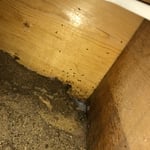
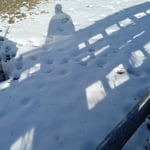
Droppings: Rats and mice leave small, rice-shaped droppings (the rat’s version is significantly larger). Bigger droppings belong to larger critters like raccoons. As long as you’re not squeamish, an image search can help you identify what you’re seeing in your attic.
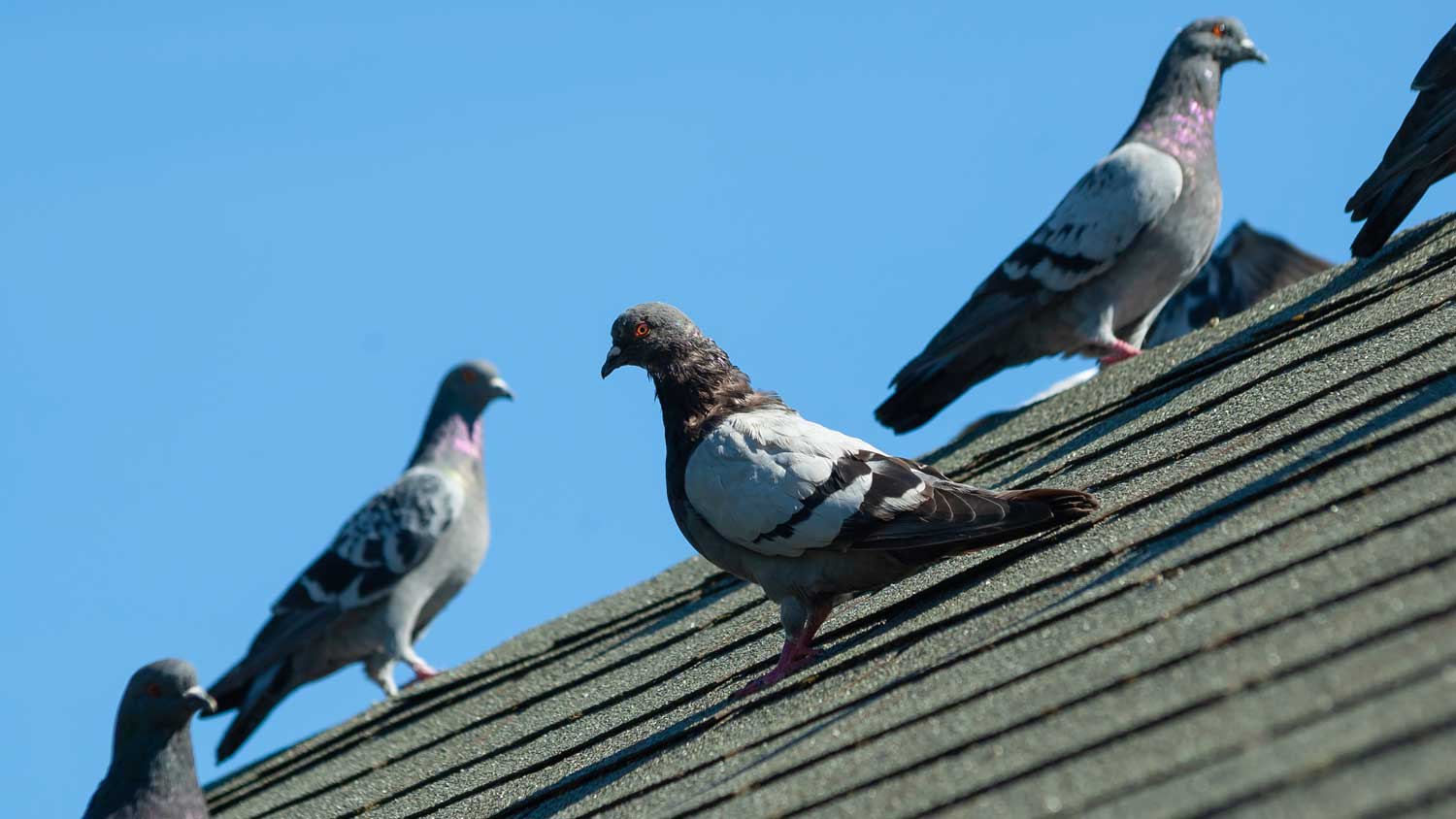
When in doubt, take photos of damage or other evidence and show them to an experienced pest control pro.
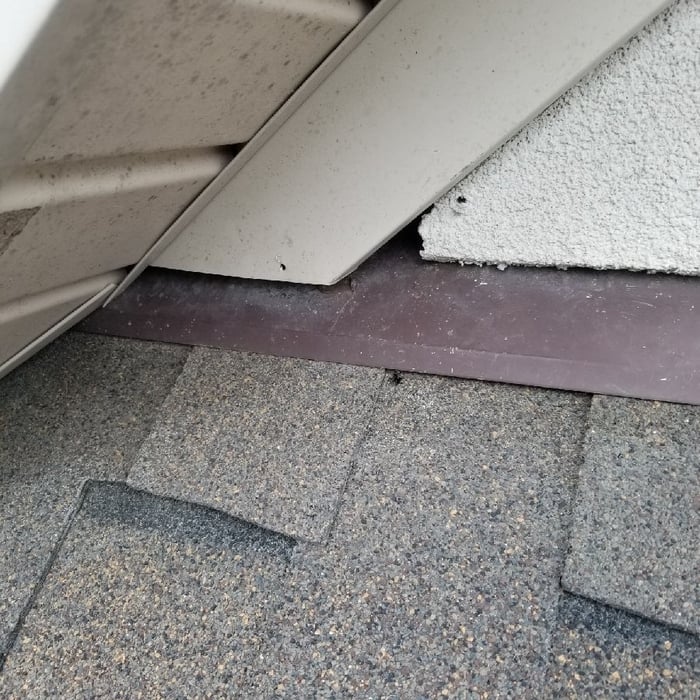
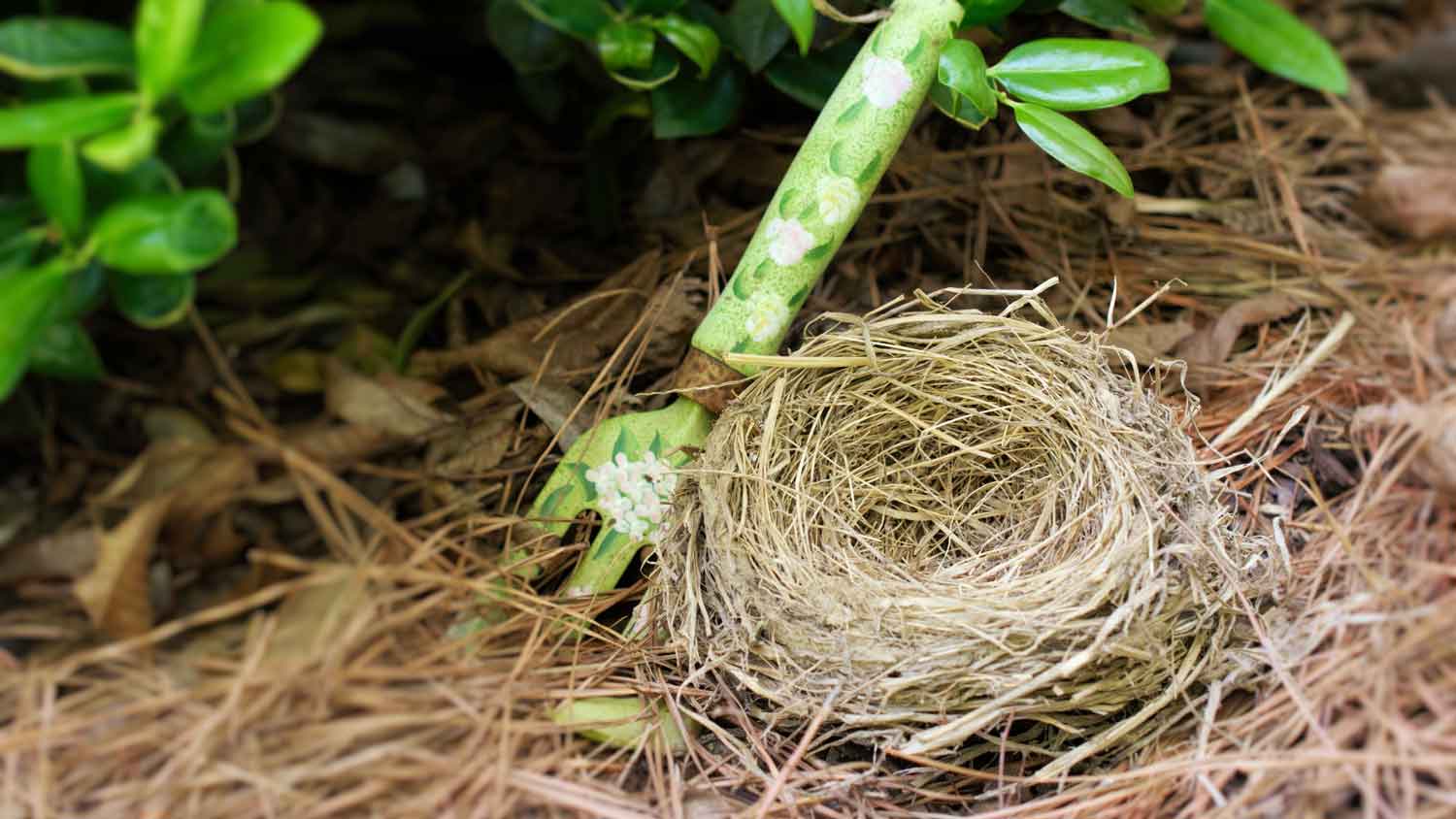
Once the animals and their young are out of the house, remove the nest and locate any entry points. Some may be difficult to find because some animals can fit through very small holes. Once you’ve located as many entry points as possible, use materials such as metal or masonry to block off the entry. Ideally, you should choose materials that most animals cannot chew through. Create a one-way door or flap to allow animals to leave but not return. Additional methods include using repellants designed to make an area unappealing to the types of animals that find your home so inviting.
Identifying the specific animal running on your roof at night can be challenging without direct observation. Common nocturnal roof visitors include raccoons, squirrels, opossums, and rats. Raccoons are bigger and can create heavy thumping sounds. Squirrels are agile and may produce rapid scurrying noises. Opossums tend to move stealthily with less noise. Rats can make scratching or gnawing sounds. To determine the culprit, look for signs like footprints, droppings, or damaged areas near the roof. For accurate identification, consult a pest control professional or set up wildlife cameras near potential entry points.
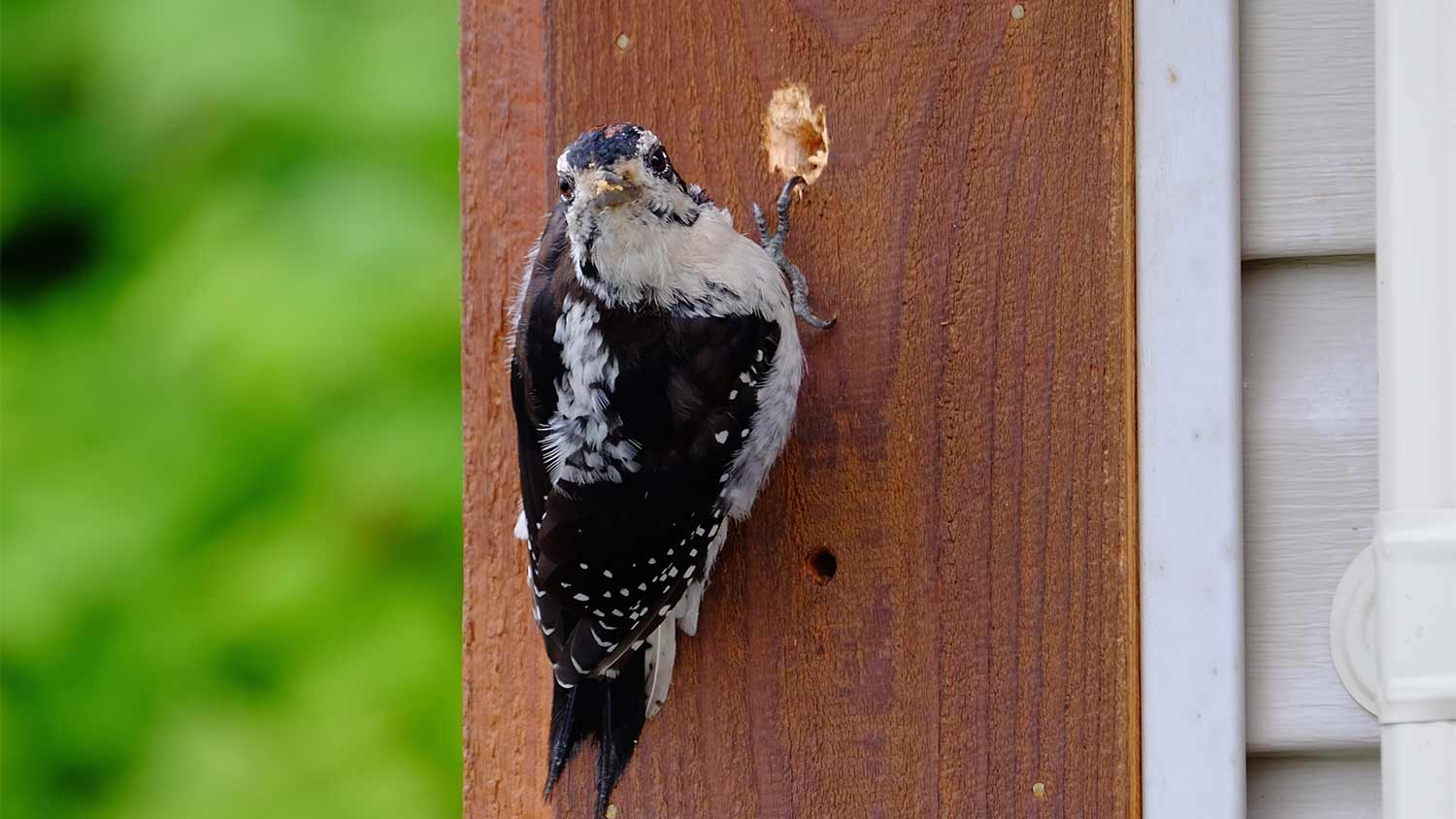
Metal coil-shaped retriever tools (around $50) help remove empty nests and debris from chimneys. Unless you are sure the nest is vacant, we recommend calling in a pro to handle bird’s nest removal from chimneys, vents, roofs, and other hard-to-reach places.
The East Lansing, MI homeowners’ guide to bird control services
From average costs to expert advice, get all the answers you need to get your job done.
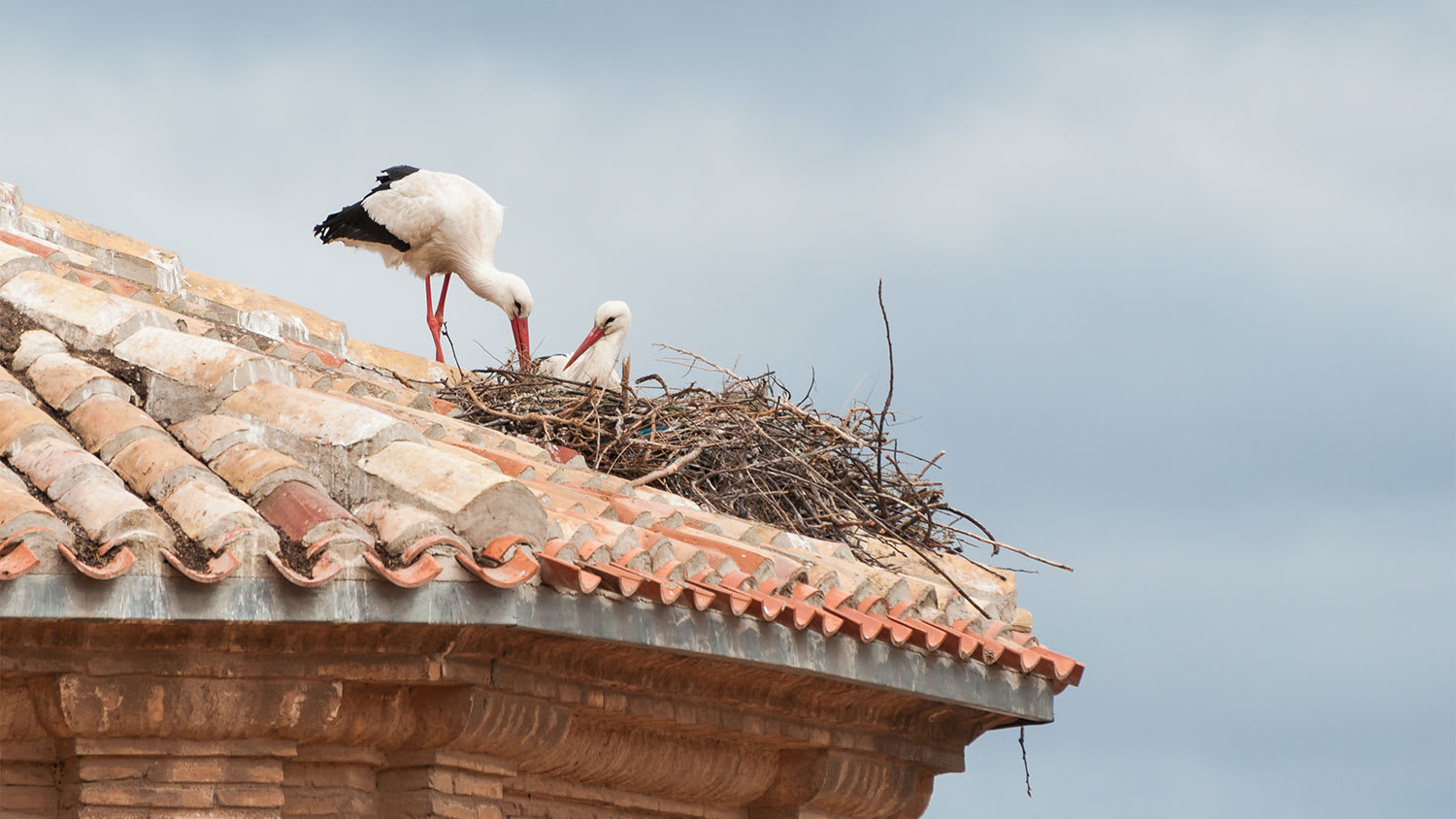
Sometimes birds nest in unwelcome places. Find out how much bird nest removal will cost based on factors like location, bird species, and preventative measures.