"They were very thorough with the inspection and the team sealed all gaps to prevent birds from getting in and nesting in my house. They arrived to do the work on time and were professional and courteous."
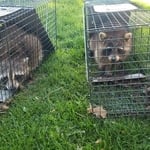
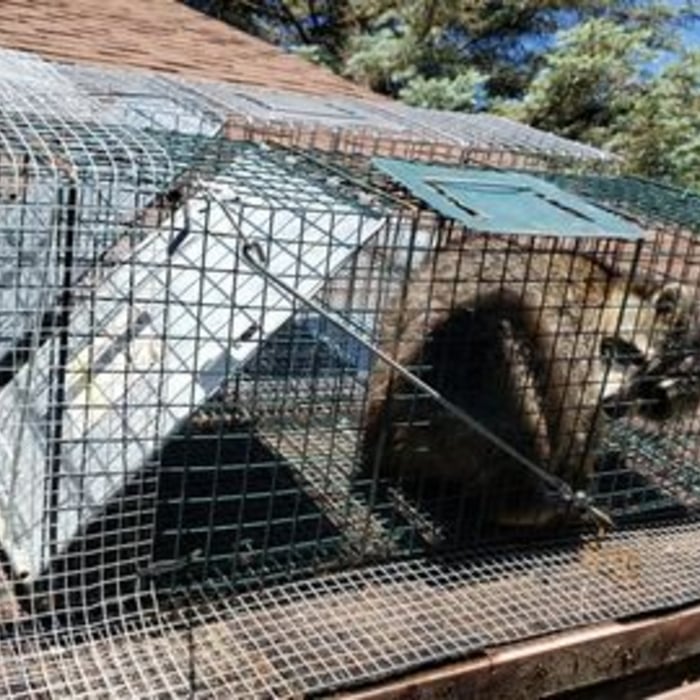
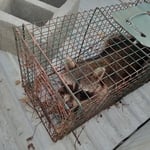
"Did a great job! Nathan and Jacob caught and picked up a raccoon on my property. While they were there a bird got stuck in my pellet stove, and they were able to get it out safely."
"Steve arrived on time. He was unable to find the dead critter in question, but inspected my home and closed up a few suspected points of entry. He was very accommodating and professional. I would recommend him to anyone needing critter control."
"Michigan Animal Control LLC is very responsive, professional, and knowledgeable. I had three different areas that birds had entered the 2nd floor ventilation ducts and were fully nesting. The birds and nests were safely removed, the ducts were fully cleared, and the duct vents were secured to prevent future problems. MAC also provided a thorough assessment, along with suggestions, to prevent future challenges. MAC has wonderful customer service, working to set a mutually agreeable time, prompt in arrival and in work, as well as friendly and considerate to the job being completed."
"I wanted a pest control treatment, but more than that I wanted to know what caused the insects to suddenly be in my house. Pest Control Solutions was very knowledgeable and let me ask questions until I understood what was happening in my house and what they were doing about it. They pinpointed where insects were coming in so I could have it fixed permanently, rather than trying to upsell me a permanent exterminating service like other companies did. I feel like I got lucky when I found them, and I really cannot recommend them highly enough."
"The team of professionals at this company is great. They came and got the animal problem under control quickly. I know who to call if I ever have another issue."
"I had a mouse infestation in my camper that is at a seasonal campsite. Paul went on a Sunday and cleaned, disinfected and put down some preventive traps. He was reasonably priced and provided photos of his work. Highly recommended!!"
Natural swimming pools are designed to deter pests, including mosquitoes. While any body of water can potentially attract pests, the natural filtration system keeps the water clean and constantly moving. Mosquitoes specifically are attracted to standing water, so the continuously circulating water in a natural pool makes it an inhospitable environment for them.
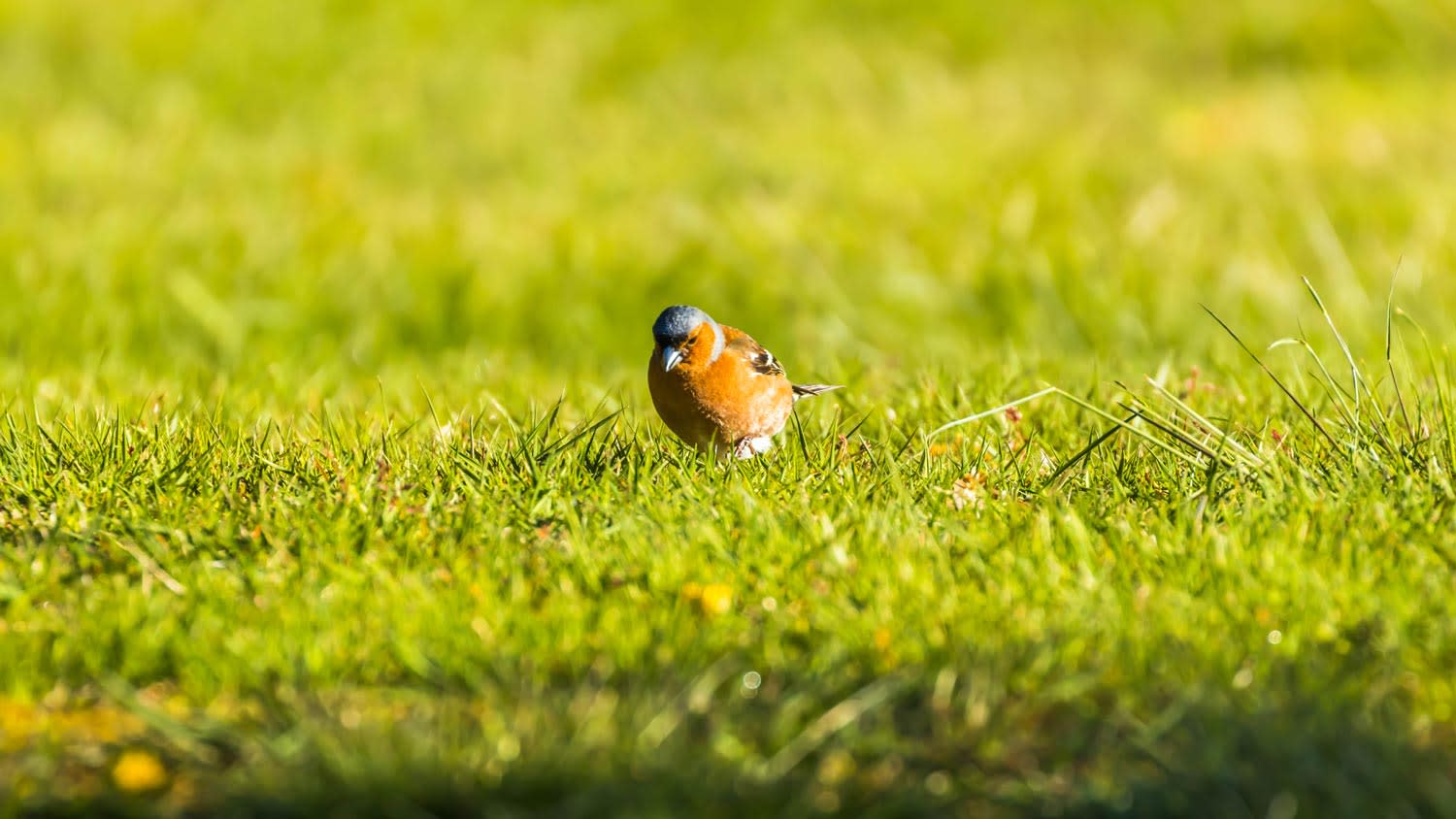
Birds eat grass seed for one simple reason—it’s delicious! The seeds are rich in nutrients such as carbohydrates, proteins, and fats. Seeds are also high in energy, so humans eat trail mix loaded with seeds and nuts for long-distance activities. Grass seed, when unprotected, is also exceptionally easy to access.
It's advisable to avoid using harmful methods to eliminate birds. Poisoning birds is inhumane and can have unintended ecological consequences, affecting other wildlife and pets. Similarly, using firearms or other lethal means poses safety risks and could be illegal in many areas. Sticky substances like adhesives can cause birds to become trapped and injured. Lastly, playing excessively loud or distressing noises can stress birds and humans. Focusing on humane and environmentally responsible strategies is essential when dealing with bird issues.
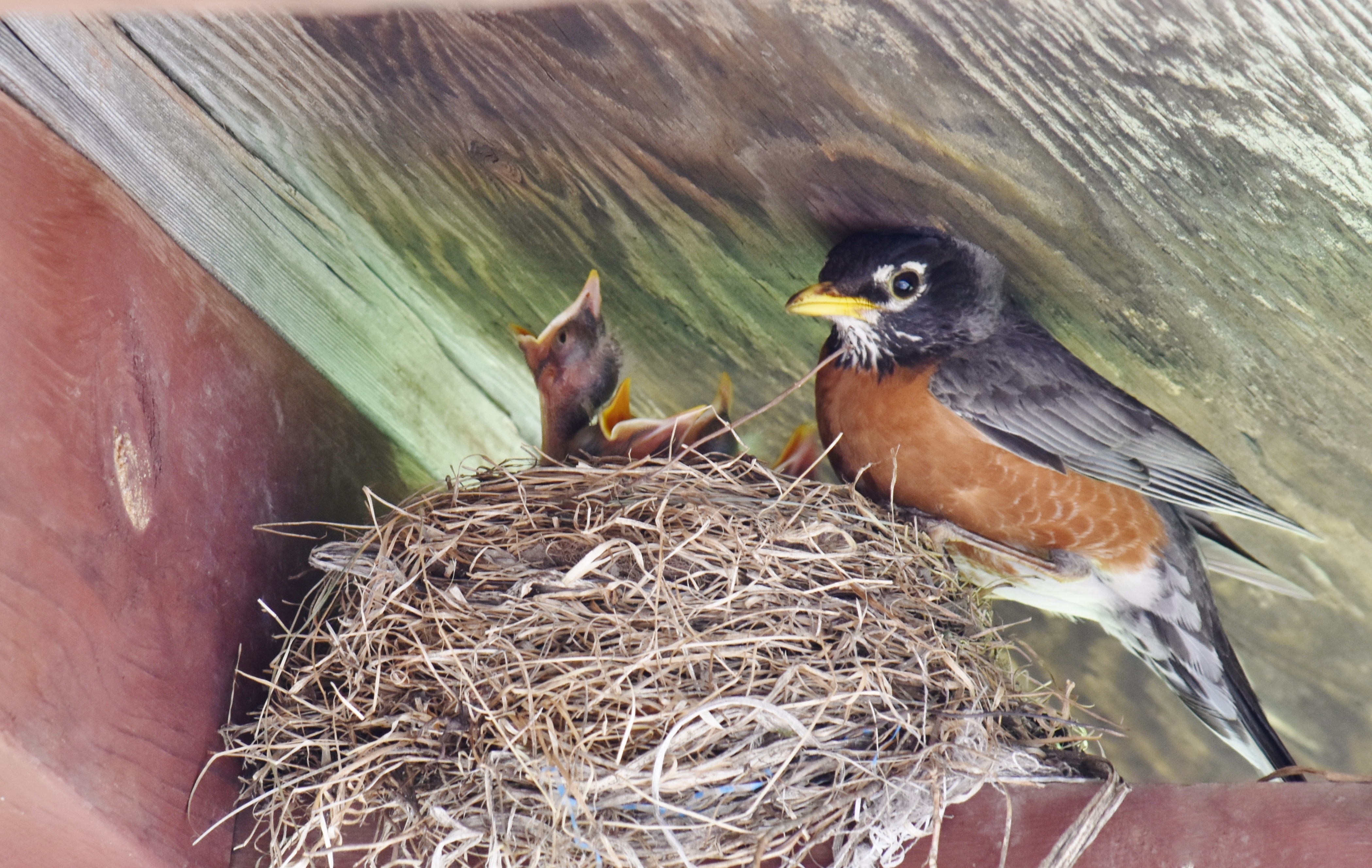
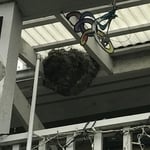
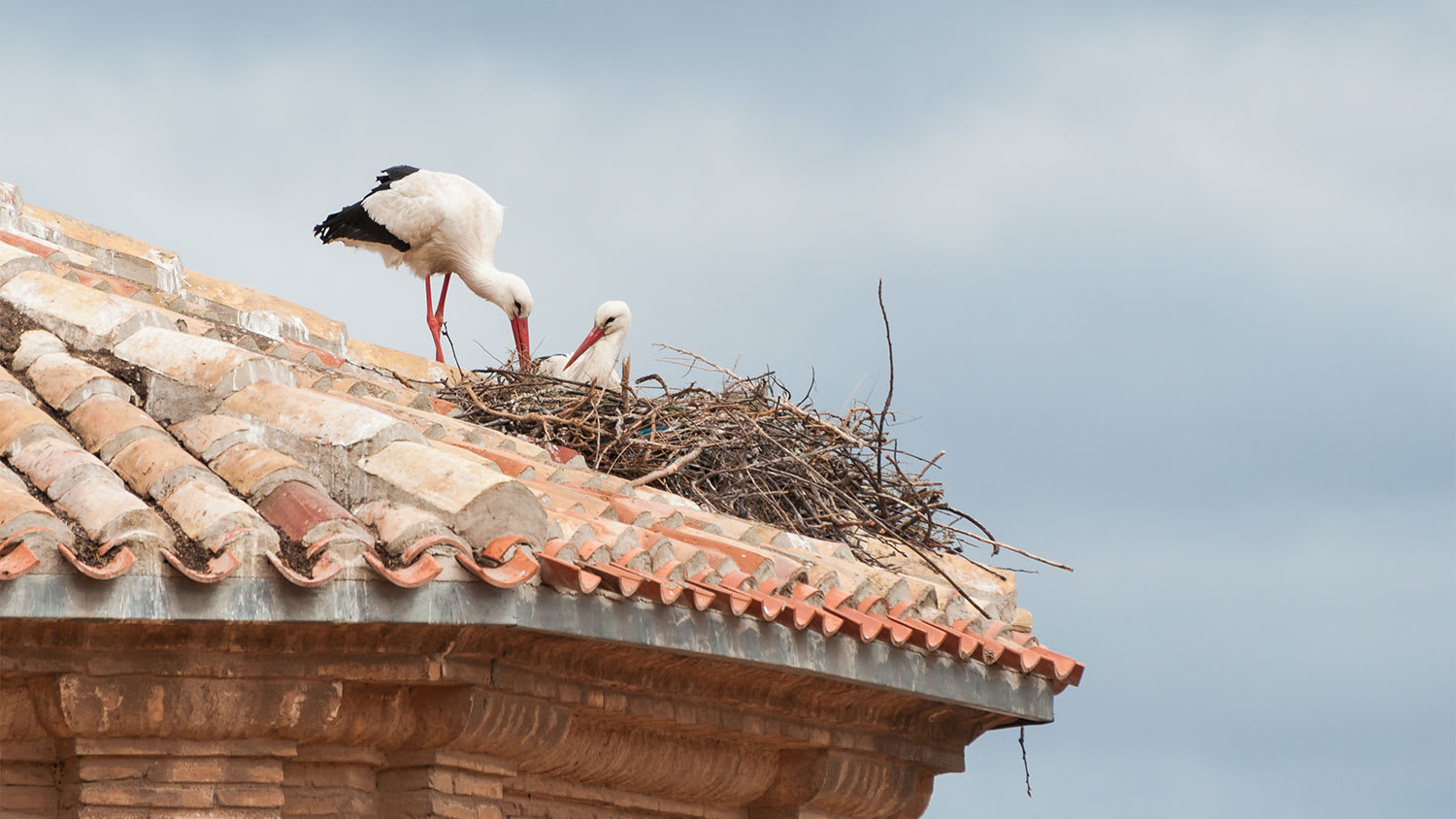
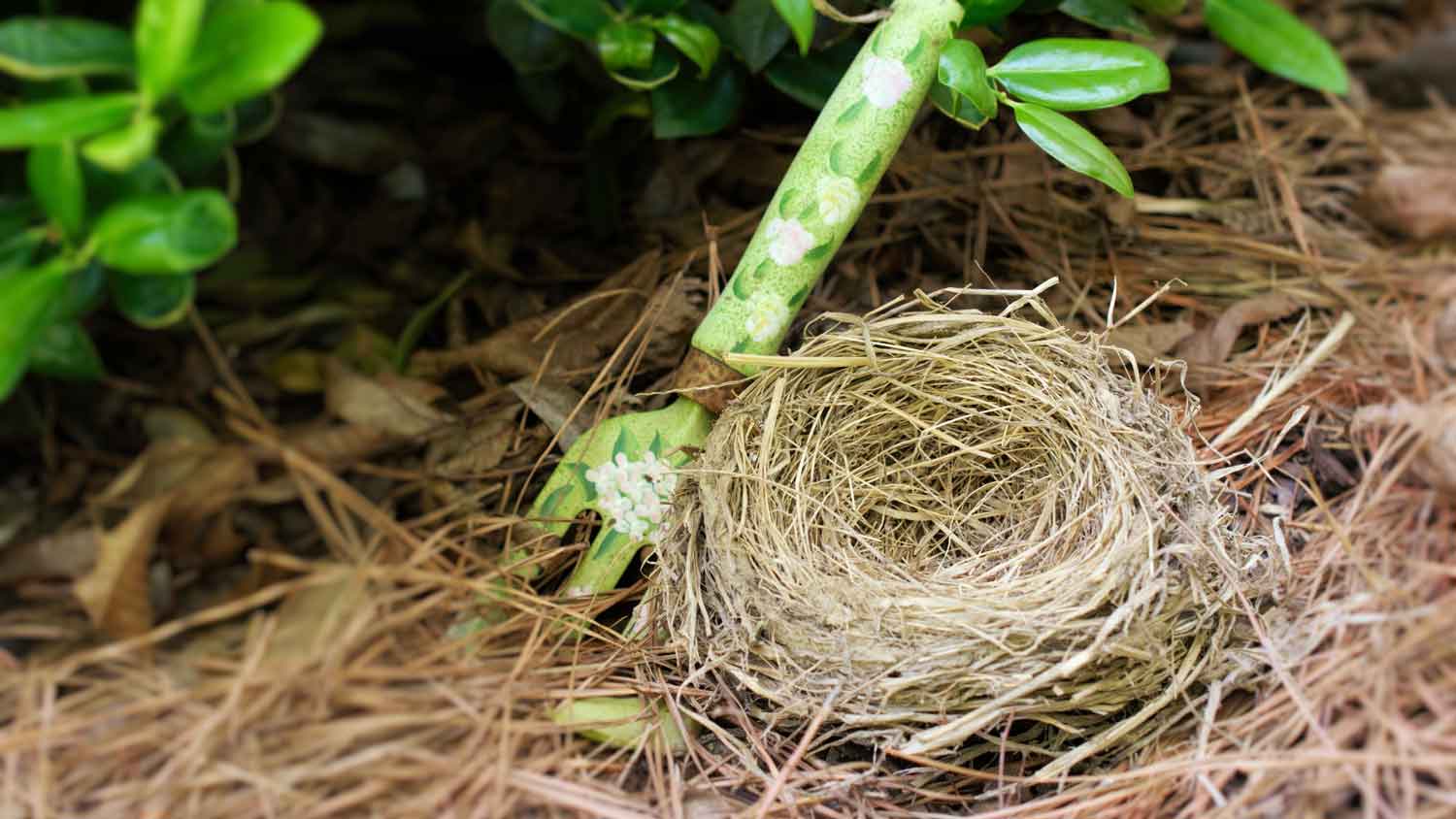
While not common, bird’s nests can cause problems to your property in some cases.
Block vents for your dryer, stove, and fans, creating a fire hazard
Clog gutters and drains, leading to roof and siding damage
Damage solar panels
Wiring issues if the nest is on or near a light fixture
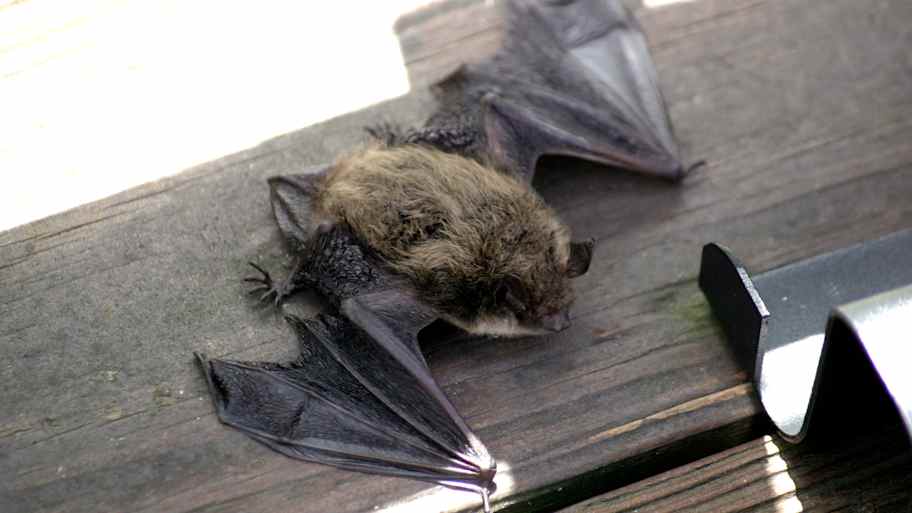
Many different types of animals like to build nests in attics. The types may vary depending on your home’s condition and location and you can prevent them by sealing off entry points and eliminating food sources.
The most common critters that like to build nests in your attic include:
Raccoons
Bats
Squirrels
Mice
Rats
The Meridian, MI homeowners’ guide to bird control services
From average costs to expert advice, get all the answers you need to get your job done.
Sometimes birds nest in unwelcome places. Find out how much bird nest removal will cost based on factors like location, bird species, and preventative measures.