"They were very thorough with the inspection and the team sealed all gaps to prevent birds from getting in and nesting in my house. They arrived to do the work on time and were professional and courteous."
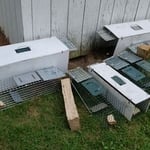
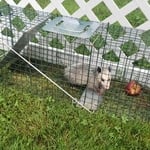
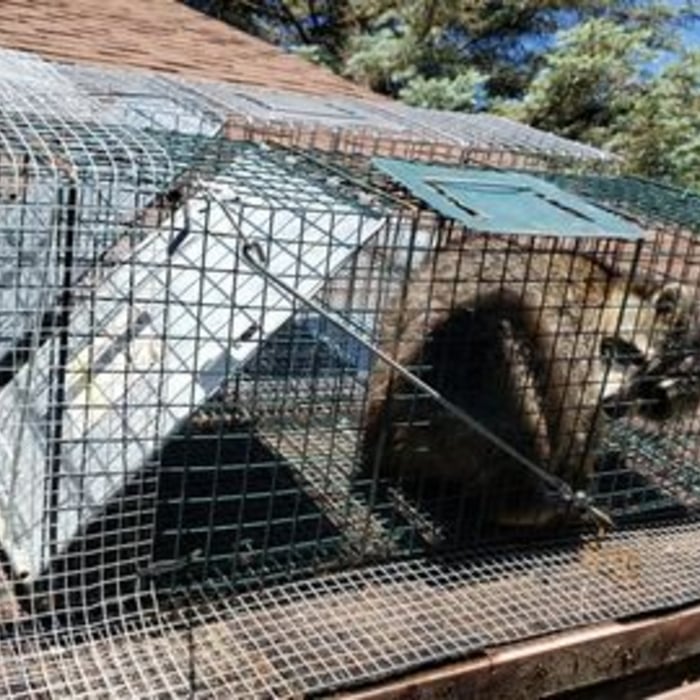
"Did a great job! Nathan and Jacob caught and picked up a raccoon on my property. While they were there a bird got stuck in my pellet stove, and they were able to get it out safely."
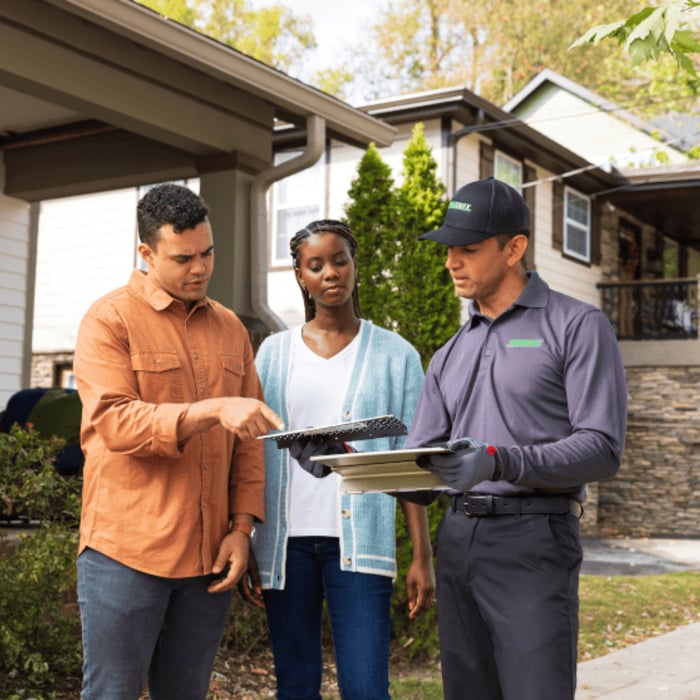
"Steve arrived on time. He was unable to find the dead critter in question, but inspected my home and closed up a few suspected points of entry. He was very accommodating and professional. I would recommend him to anyone needing critter control."
"I had originally contacted Birds and Bats service, but they were too expensive, did nothing to help. I moved on to Michigan Animal Control and they are amazing, have good information and service. I hired them and they will help me with getting rid of bats and any other animal issues."
"I wanted a pest control treatment, but more than that I wanted to know what caused the insects to suddenly be in my house. Pest Control Solutions was very knowledgeable and let me ask questions until I understood what was happening in my house and what they were doing about it. They pinpointed where insects were coming in so I could have it fixed permanently, rather than trying to upsell me a permanent exterminating service like other companies did. I feel like I got lucky when I found them, and I really cannot recommend them highly enough."
"Did a great job! Nathan and Jacob caught and picked up a raccoon on my property. While they were there a bird got stuck in my pellet stove, and they were able to get it out safely."
"My experience with bat removal services has been excellent. A bird control program was conducted a few days ago, and it appears to be working. They are also cost-effective and reliable."
Vinegar can keep some animals at bay, like deer, rabbits, foxes, and raccoons. Keep in mind that your household pets, like cats and dogs, also don’t like the smell of vinegar. You can soak rags in white vinegar and put them up around your garden beds to keep the pesky critters from eating your plants.
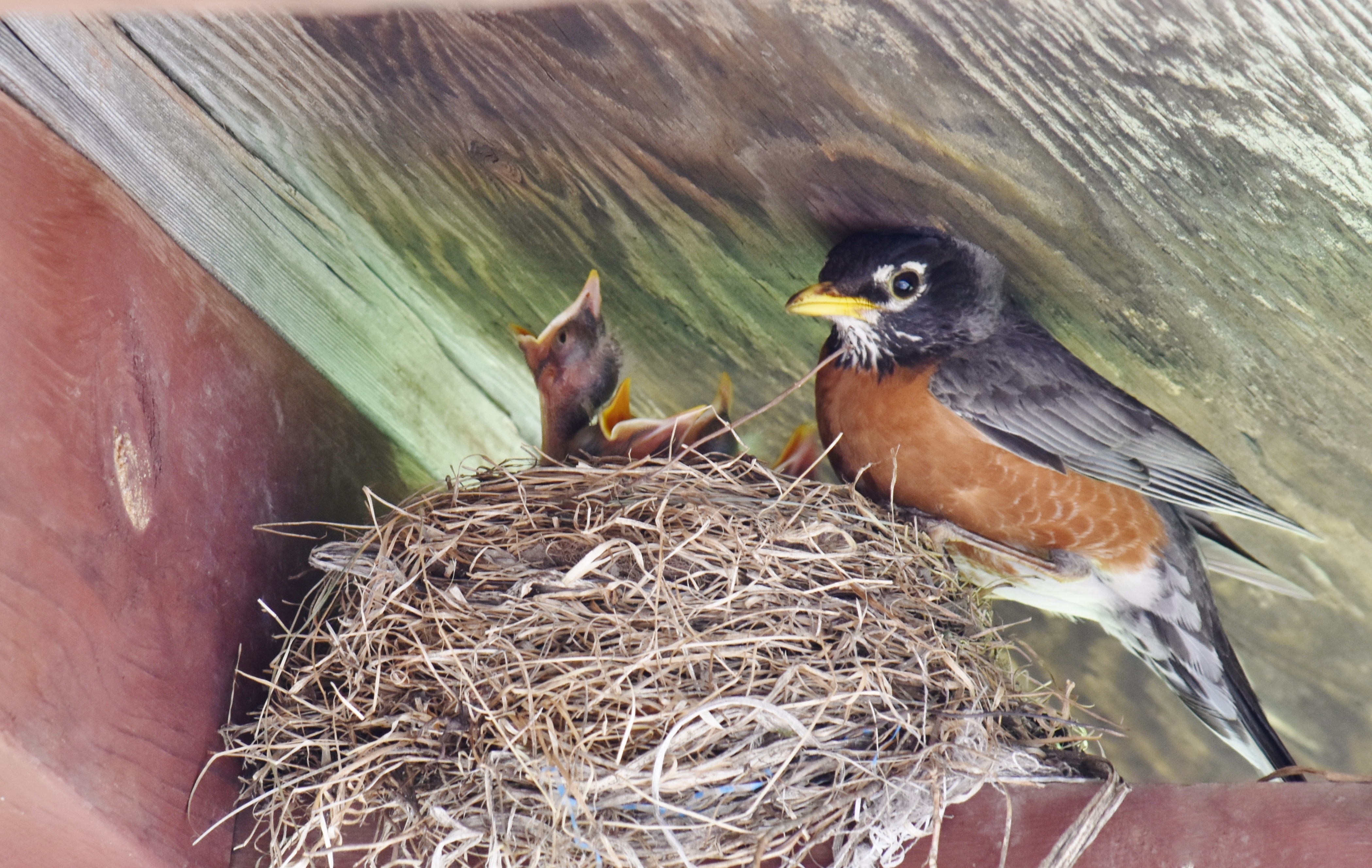
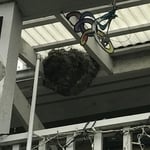
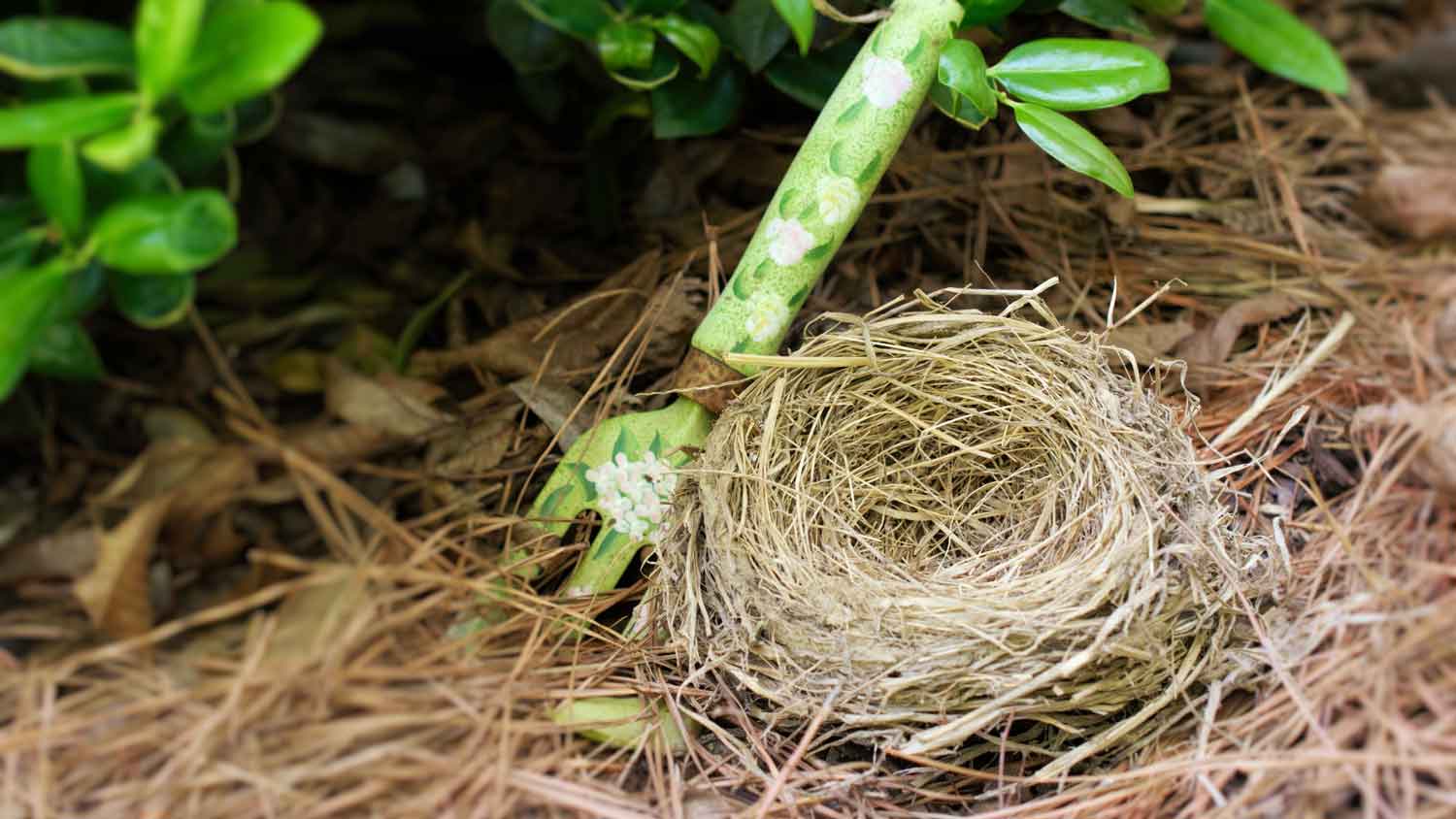
Metal coil-shaped retriever tools (around $50) help remove empty nests and debris from chimneys. Unless you are sure the nest is vacant, we recommend calling in a pro to handle bird’s nest removal from chimneys, vents, roofs, and other hard-to-reach places.
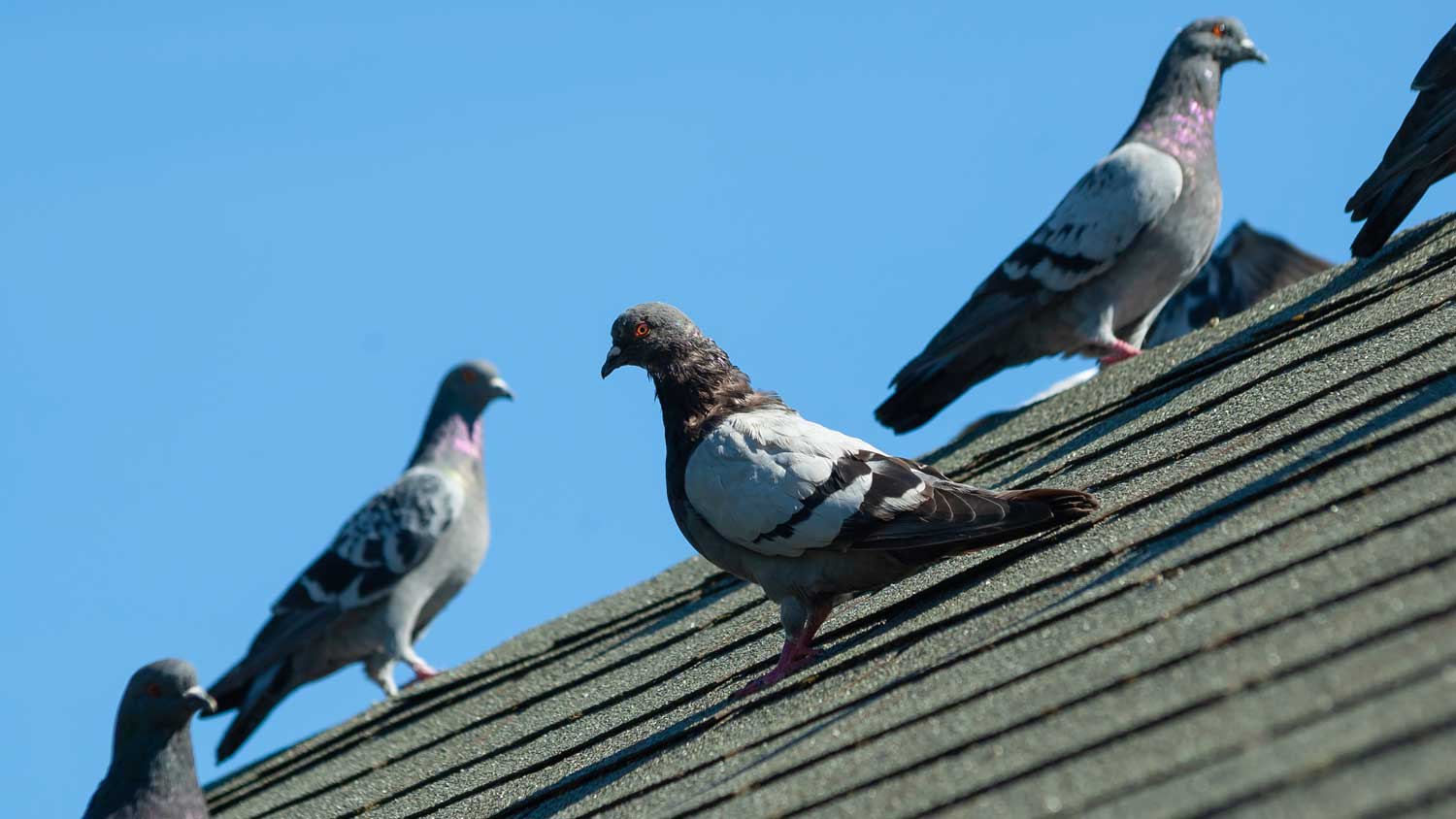
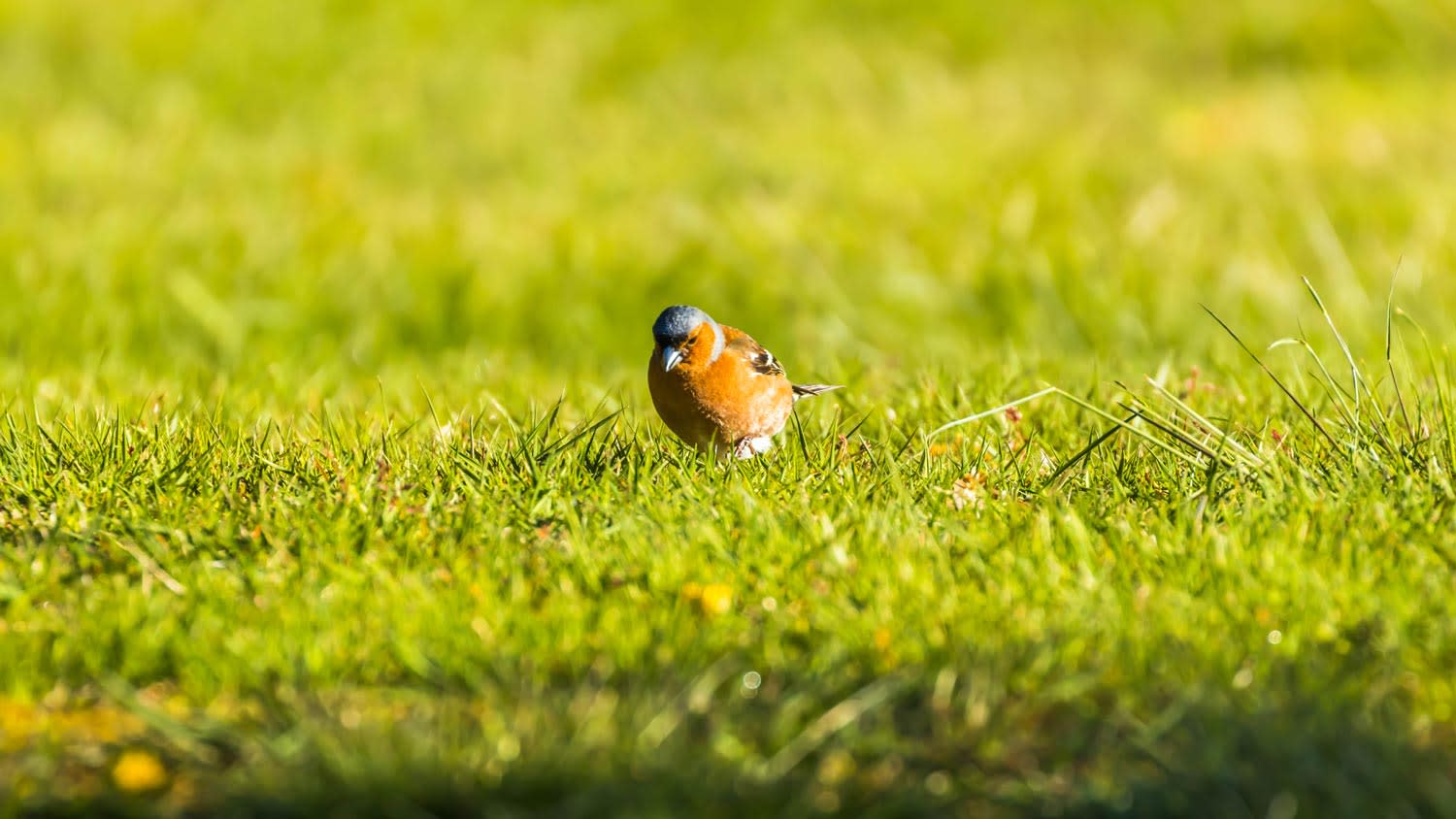
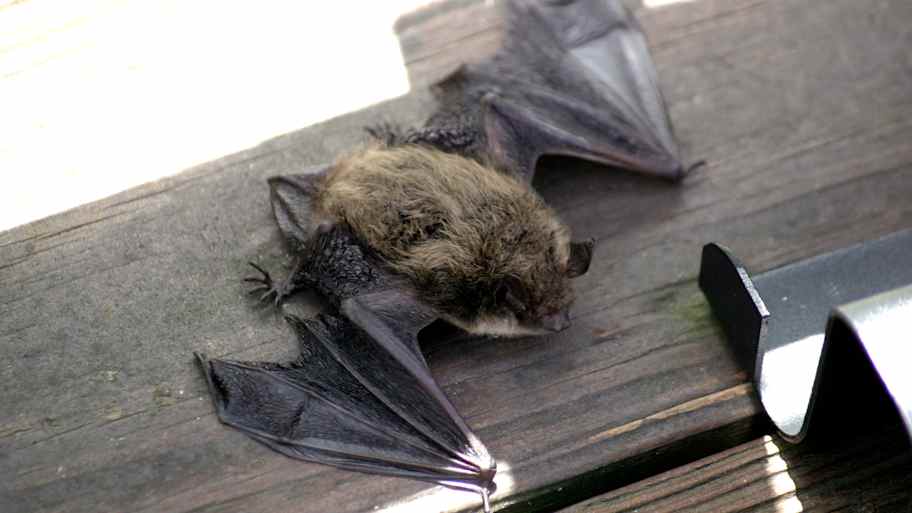
DIY removal of birds or bats is not recommended due to safety risks and potential legal protections for certain species. While simple prevention methods can be done yourself, actual removal and control of an infestation should be handled by professionals who are familiar with safe, humane, and effective techniques.
Some birds of prey, like owls, hunt at night. Hawks are diurnal and need good light to see their prey. You could see them circling anytime from dawn to dusk. Species like the common red-tailed hawk are most active in the early morning and late evening when their prey is also typically on the go.
High-frequency bird repellent devices are effective at driving away birds, which is their intended purpose. However, these devices also tend to have unintended negative consequences. For example, if you or your neighbors own pets, the high-pitched noise emitted by these electronic devices will cause them distress and may even make them aggressive.
The Haslett, MI homeowners’ guide to bird control services
From average costs to expert advice, get all the answers you need to get your job done.
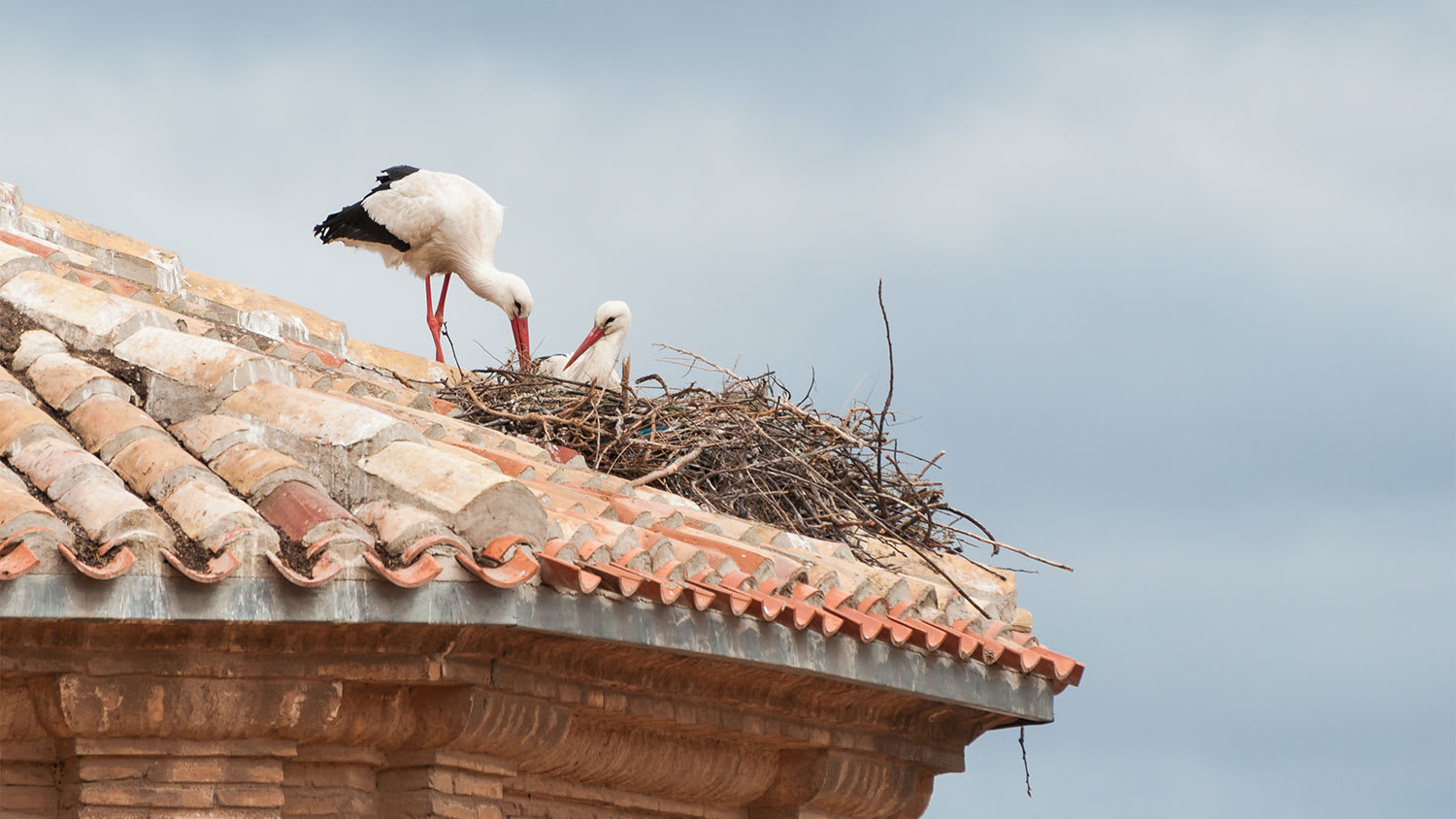
Sometimes birds nest in unwelcome places. Find out how much bird nest removal will cost based on factors like location, bird species, and preventative measures.