




Top-rated weed maintenance pros.

Get matched with top weed maintenance pros in Coleman, MI

Enter your zip and get matched with up to 5 pros

Need a pro for your weed maintenance project in Coleman, MI?

Select your specific project to find the pro for you.

TRUSTED BY COLEMAN, MI HOMEOWNERS

  • Average homeowner rating star icon4.3
    Average homeowner rating
  • Verified reviews icon13
    Verified weed maintenance services reviews

Find Weed maintenance pros in Coleman

No results for Weed maintenance pro in

Try adjusting your search criteria.
Weed Services questions, answered by experts

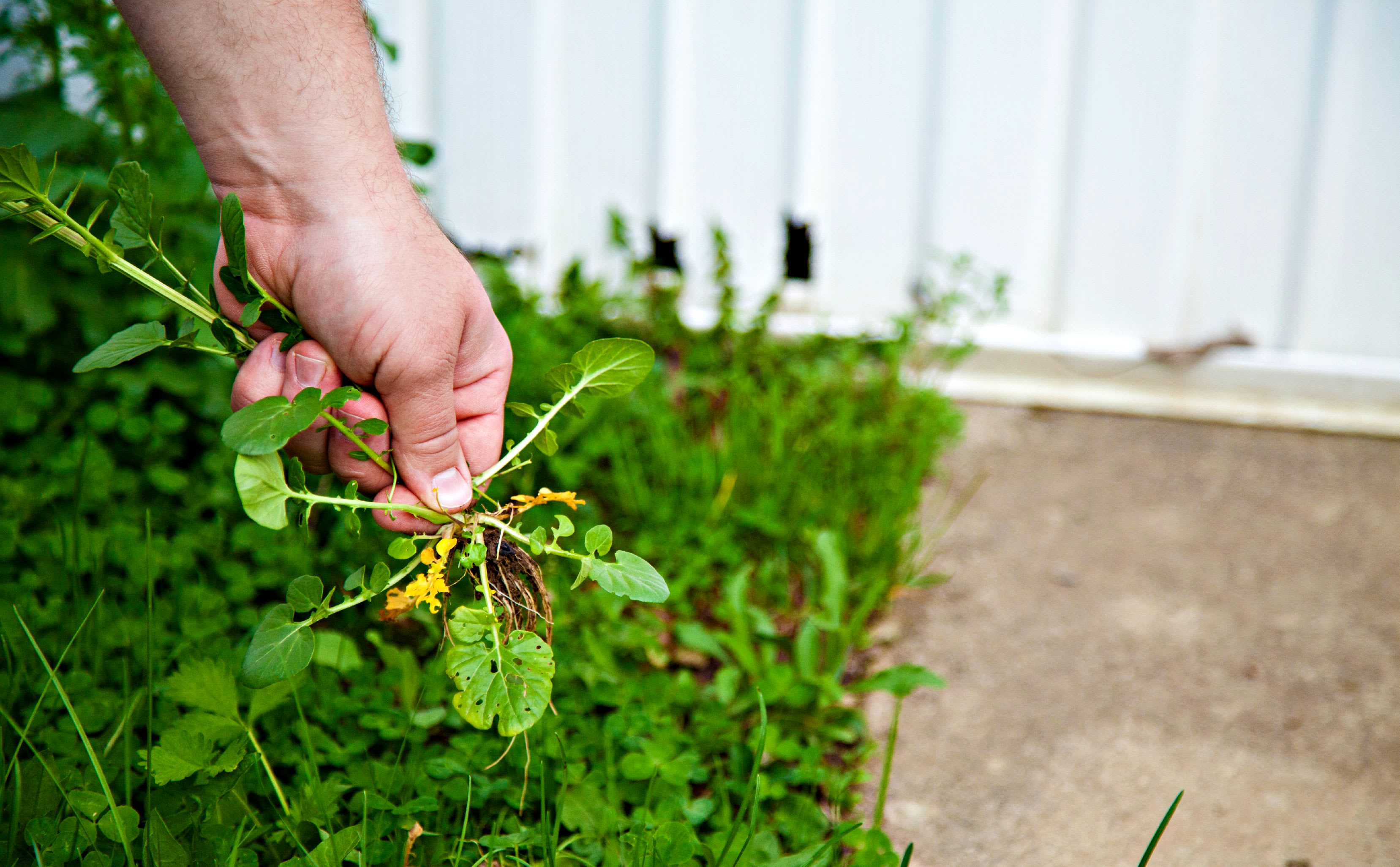
No, definitely not. Pulling weeds by hand is the single most effective way to remove them because you're eliminating the entire plant—roots and all—so it won’t have a chance to grow or spread. Setting time aside a few times per week to pull weeds can keep them at bay. If the number of weeds gets overwhelming, then you can resort to other methods.

Dandelions, while hard to control and widespread across the country, are not typically categorized as noxious. Yellow starthistle, however, looks very similar to a dandelion and is highly damaging to local plants and invasive across the country.

Lawns with steep slopes can benefit from having quack grass. Quack grass's long roots and runners can help to prevent soil erosion on hillsides. Additionally, bird lovers may enjoy the fact that quack grass seeds are an attractive food choice for their avian friends.

A spot herbicide for weed control is effective at killing crabgrass and not grass, but it depends on the type of herbicide. Always check the label to ensure that your herbicide is safe for grass but tough on crabgrass. Overall, spot treatment is ideal because it puts fewer herbicides into the soil, which can damage the soil. If you’re wanting a natural remedy to crabgrass that also won’t harm surrounding grass, you can also hand-remove crabgrass or even pour boiling water or 5% vinegar over crabgrass as a spot treatment.

Johnsongrass and crabgrass are invasive weeds that can overtake your lawn. Crabgrass is a low-growing grass most often seen in lawns, flower beds, and vegetable gardens. While you may find Johnsongrass growing in your lawn, it will also grow in pastures, crop fields, and the edge of the road. Johnsongrass is much coarser than crabgrass. If left alone, Johnsongrass can grow up to 8 feet tall. 

The Coleman, MI homeowners’ guide to weed maintenance services

From average costs to expert advice, get all the answers you need to get your job done.