

Top-rated countertop and backsplash pros.

Best countertop and backsplash pros near Brampton, MI

Enter your zip and get matched with up to 5 pros

Need a pro for your countertop and backsplash service project in Brampton, MI?

Select your specific project to find the pro for you.

TRUSTED BY BRAMPTON, MI HOMEOWNERS

  • Average homeowner rating star icon4.2
    Average homeowner rating
  • Verified reviews icon13
    Verified countertop and backsplash services reviews

Top-Rated Countertop and backsplash pros in Brampton - Updated Nov 2026

Avatar for WELCH TILE & MARBLE
WELCH TILE & MARBLE
4.9(
11
)
Laminate Countertops - InstallLaminate Countertops - RepairSolid Surface Countertops - Install (Concrete, Stainless Steel, etc)+3 more

Serving Brampton, MI and surrounding areas

In business since 1987

Free estimates

Credit card accepted

"Brady came and gave me an estimate.  They were able to start the work the next day.  It went quite well.  They ran into a slight problem in that some of the sub floor came up with the tile.  But it did not result in much of a price increase.  The floor was extremely uneven, but after they were finished, it was even and ready for us to install our floating floor.  They did a great job.
"
Recommended by100%of homeowners

Countertops and Backsplashes FAQs, answered by experts

Engineered stone countertops range in price between $60 and $200 per square foot. The three main types are quartz, recycled glass, and sintered stone. The most affordable is sintered stone, which is ideal for outdoor kitchens and costs $60 to $100 per square foot.

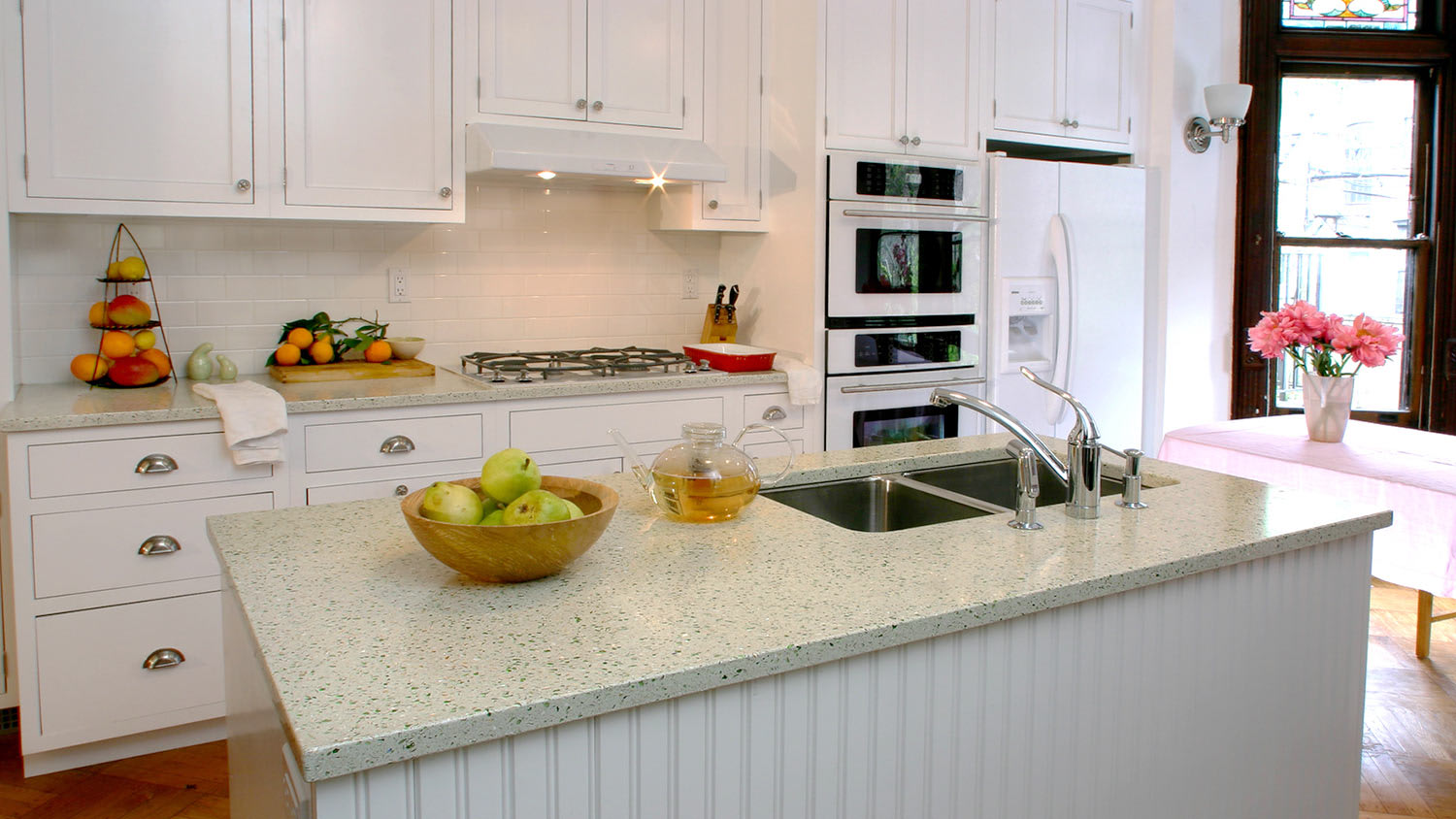
Recycled glass countertops fall in the middle at $65 to $140 per square foot and offer a very distinct look. Meanwhile, quartz counters are on the higher end of the price range at $50 to $200 per square foot. Popular quartz options mimic the look of natural stones like marble and granite.

The frequency for sealing granite countertops depends on several factors, including the type of sealant used, the color of the granite, and how heavily the countertops are used. As a general guideline, resealing is often recommended every 12 to 18 months, but some sources suggest it could be as often as every few months or at least once a year.

The type of sealant is a major factor: water-based sealants may need reapplication every six months to a year, while more durable solvent-based sealants can last for five to 10 years. Additionally, factors like heavy kitchen traffic, frequent use of acidic cleaners, and lighter granite colors may require more frequent sealing to prevent staining.

To determine if your countertops need resealing, you can perform a simple water test. Place a few drops of water or a wet paper towel on an inconspicuous area of the granite. After 10 to 15 minutes, check the spot. If the water has beaded up, the seal is still intact. If the water has been absorbed and darkened the stone, it's time to apply a new coat of sealant. You can choose to seal the granite yourself or hire a professional to ensure it's done correctly.

Countertop overlays can be a worthwhile investment for homeowners looking for an affordable and fuss-free way to update their kitchens without a full replacement. The installation process is budget-friendly, saves time and labor, and can often be completed in a single day as it doesn't require demolition. Overlays are installed directly over the pre-existing countertop, with material options including quartz, granite, and recycled glass. However, for the overlay to be long-lasting, it is crucial that the underlying surface is properly prepped to ensure strong adhesion.

Fortunately, there are many types of heatproof countertops. Granite, quartzite, concrete, and stainless steel are all fiery contenders. These surfaces work best in busy kitchens where hot pots, pans, and baking sheets are part of the daily routine. Plus, their durability means you get a long-lasting work surface that won’t flinch at a bit of heat or heavy use. However, many stone and concrete counters require a sealer, which is typically not heatproof.

No, you should not put hot pots or pans directly on epoxy countertops, as this can cause permanent damage. While epoxy is heat-resistant, it is not fully heatproof. Epoxy countertops can typically withstand temperatures ranging from 135°F to 300°F, but cookware directly from a stove or oven can reach much higher temperatures (300°F to 500°F). Placing an extremely hot item on the surface can cause it to melt, soften, or discolor. To protect the integrity and appearance of your countertops, always use a trivet, hot pad, pot holder, or other heat-resistant barrier before setting down hot cookware.

The Brampton, MI homeowners’ guide to countertop and backsplash services

From average costs to expert advice, get all the answers you need to get your job done.