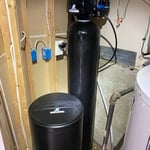
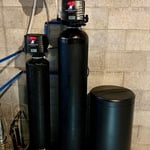
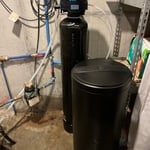
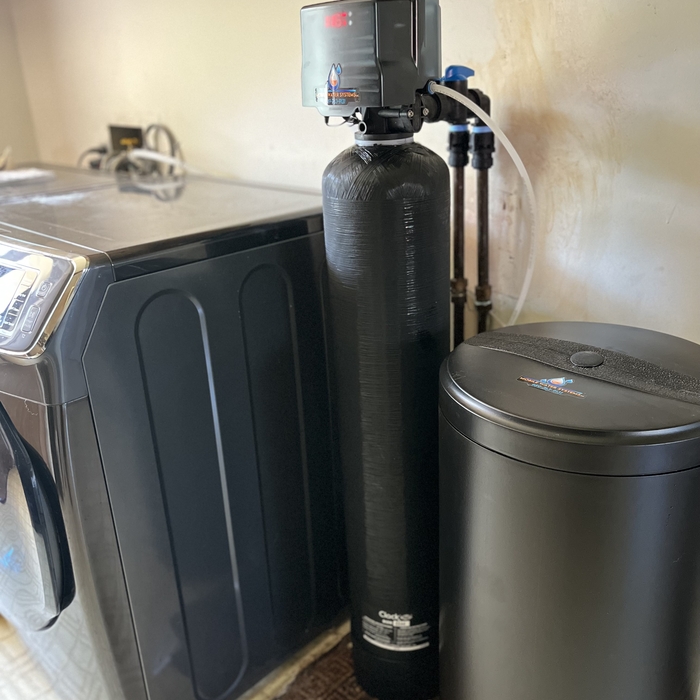
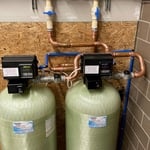
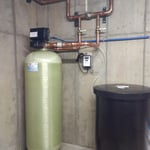
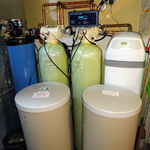
Pure Water Works is an established provider of water treatment systems throughout Southeast Michigan. Locally owned and operated for over thirty years, Pure Water Works specializes in treating poor water conditions-high iron, arsenic, PFOAS and more. Our team of Certified Water Specialists (CWS) provides installation and service for softening, filtration, deionization (DI) and reverse osmosis (RO) applications. Our product line includes salt and water delivery for home or office, to large capacity water softening and filtration systems for high-purity and industrial applications. Pure Water Works service response times lead the industry.
"He is installing the reverse osmosis system as I write. I am not yet experienced with him, but up til now everything Water Wizard promises sounds exactly like what I needed."
"The expert they sent out determined that I had two cracks in my basement wall. Other vendors said I would need a interior water drain system installed. Stay Dry fix the problem for a fraction of the cost."
"I emailed several plumbers. Chad called and utilized my phone pictures to give me an estimate. He came, removed and replaced two water lines. What I liked best is that he took the time to explain to me about the product he was using. "
"Not good. The water leaks had caused black mold that had to be repaired. When repairs were completed 3 months later, the valves still leaked from the stem when turned on. It was past 60 days so I had to pay another $100 service fee to have the water leaks fixed. He tightened the packing and quoted $350 to replace the valves. Sheesh."
Licensed, Certified, Insured: Make sure you can “Close with Confidence.” MichiganPro Home Inspections was established in 2006, our team members have more than 100 years of combined experience in building, remodeling and inspection services. Regardless of whether you are a prospective home buyer, seller or realtor, we are happy to provide you with unbeatable service throughout the entire state of Michigan. Over the past 13 years we have found the buyers becoming more educated and asking for Mold Inspections and Pest Inspections. We have seen sellers spend literally 1000’s of dollars bringing a home up to a safe environment for the buyers. Don’t get stuck with a Mold or Pest infested Home! Home Inspections Inspections Include: Exteriors, Roof, Interior, Electrical, Plumbing, Structural, Insulation, Garage, Ventilation, Built in Appliances, Mold Inspections, and Pest and Insect Inspections. All of the systems listed will be inspected and if issues exist we will provide the problem clearly stated, what will happen if the issue is not dealt with and finally how to get issue fixed. The reports are typically 30-120 Pages long including pictures, video and the narratives. Our team of inspectors has over 100 Years Experience in building, remodeling and inspecting. Why hire an inspector who might know how to inspect, but has never made the repairs on a home that he calls out in his report. Our inspectors have not only called out the issues thousands of times, but they also have repaired the issue many times in their past. We have inspected thousands of homes and our reviews reflect a verified customer satisfaction rating of 4.77 out 5 since our founding in 2006. Other Services Available at the Home Inspection Other services: Well & Septic Testing, Water Quality Testing, Mold Inspections & Testing, Radon Testing, Bacteria Testing, Air Particle Analysis, Volatile Organic Compound Testing, Environmental Inspections & Testing, Pest Inspections, and Sewer Line Scope.
A single shower consumes an average of over 17 gallons, while brushing your teeth with the water running uses up to four unnecessary gallons. Watering the lawn spreads hundreds of gallons of water across the yard each time. Limiting water usage in these areas can significantly cut down your water bill.
To get utilities set up on a property, you first have to contact the local department of planning to determine whether your property is able to connect to public utilities. From there, you can work with a structural engineer and/or a building contractor to design the layout of utility lines on the property. The pros will need this information as they begin securing building permits before they can start adding lines.
If your property isn’t able to connect to public utilities, you’ll need to consider working with pros to develop a comfortable off-grid home that will meet your needs.
There are many possibilities for why your shower’s water pressure is low. It might be a simple-to-fix issue like the water valves being partially turned off, a dirty showerhead or hose, leaks in the plumbing, or an old showerhead. However, low water pressure in the shower could also indicate a larger issue with your home’s plumbing system.
The primary difference between a water softener and a water filter lies in what they remove from the water. A water softener is designed to remove hard minerals like calcium and magnesium. In contrast, a water filter has a broader effect, removing various contaminants above a certain size, which can include bacteria and other impurities.
To decide which you need, consider your goal. If you want to eliminate hard minerals, choose a softener. If you want to remove a wide range of contaminants, a filter is the better option. Filters are also generally less expensive to install. Depending on your water supply, you may need to install both for comprehensive treatment.
You can decide whether you need a water softener or water filter based on how your bathing or laundry experience is. If you notice issues like limescale buildup, dry skin, or stains on dishes—all telltale signs of hard water—you'd likely benefit from a water softener. However, if your main concern is over chemicals or bacteria in your tap water filter, and not just comfort, a filter is a better option.
The Boyne Falls, MI homeowners’ guide to water softener services
From average costs to expert advice, get all the answers you need to get your job done.
Water softeners work to remove unwanted minerals from hard water through a filtration and recharge cycle. Keep reading to learn how a water softener works.
There are four common softener alternatives available on the market today. We compare and contrast each one to help you find your best-fit solution in this blog.
Water softeners rid your home of hard minerals and, well, soften your water. Even better, the regeneration process is an automatic cycle that works when you’re least likely to use it.
Water softeners remove hard minerals from your tap water, improving plumbing systems and water-using appliances. Here are the most efficient water softeners out there.