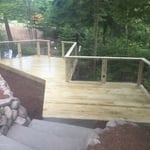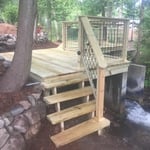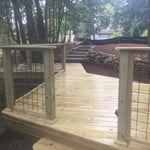





Top-rated masons.

Get matched with top masons in Grawn, MI

Enter your zip and get matched with up to 5 pros

Need a pro for your masonry work project in Grawn, MI?

Select your specific project to find the pro for you.

TRUSTED BY GRAWN, MI HOMEOWNERS

  • Average homeowner rating star icon4.4
    Average homeowner rating
  • Verified reviews icon26
    Verified masonry services reviews

Find Masons in Grawn

Avatar for Shamrock Maintenance Corp.
Shamrock Maintenance Corp.
4.5(
15
)
Brick or Stone - Tuck-pointingBrick, Stone or Block Wall - Repair

Serving Grawn, MI and surrounding areas

Approved

Super Service Award Winner

In business since 1985

Free estimates

Emergency services offered

"I was impressed with Chuck from Shamrock Chimney. He was realistic in his discussion and went thru various options from converting to a gas fireplace to wood inserts. He discussed the issues with the existing field stone face and converting to a two way fireplace. He certainly made me comfortable to consider Shamrock should the project move forward."
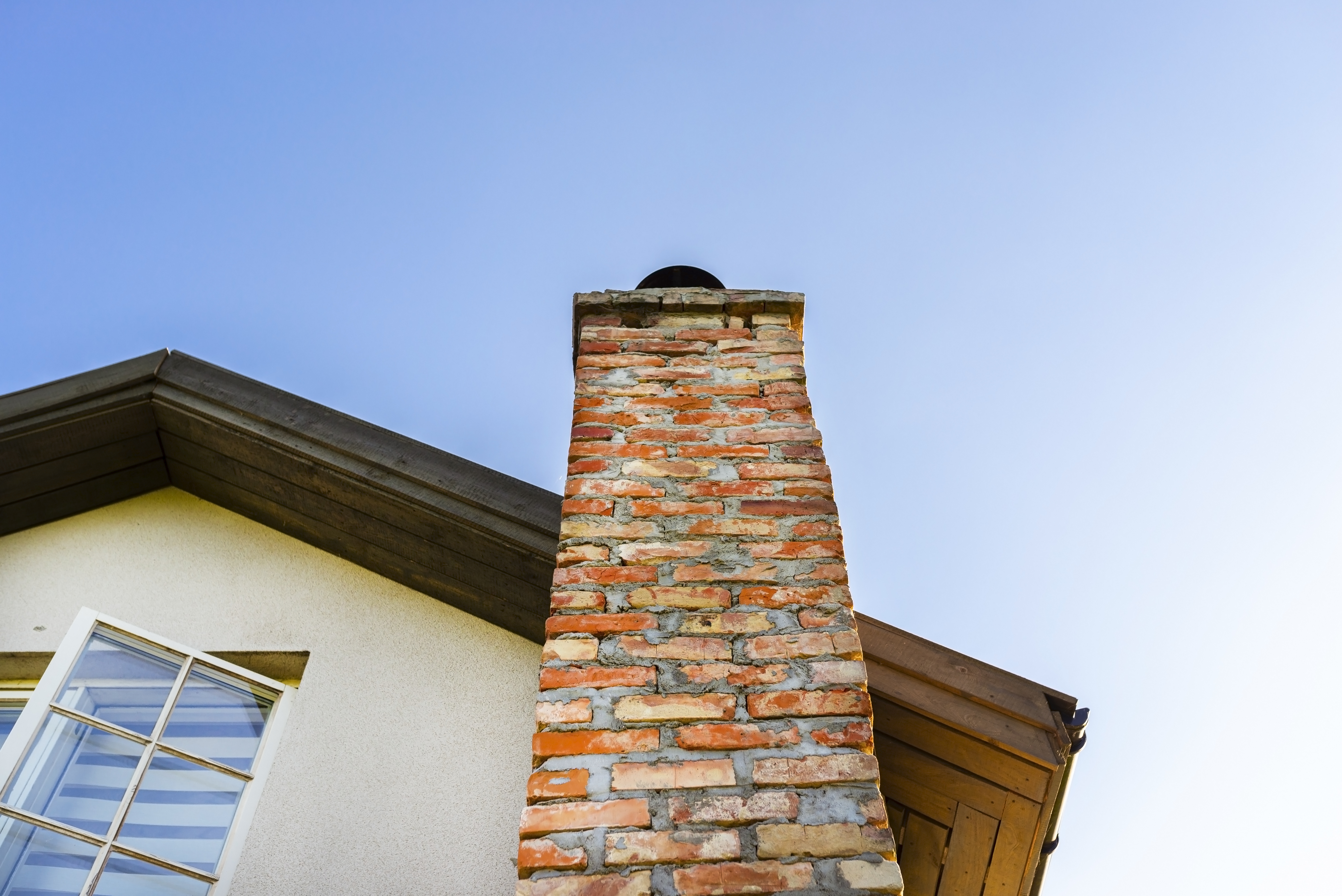
Chimney Repair
Chimney Repair
Chimney Repair
Chimney Repair
Chimney Repair

+31

Response time1 day
Response rate100%
81 neighbors recently requested a quote
...
Showing 1-10 of 78
Masonry questions, answered by experts

You can use a regular drill to make pilot holes for gutter brackets in the wooden fascia board around the top of your house, but it’s not the best tool for brick. Instead, you’ll need a heavy-duty power tool like a hammer drill with a carbide tip bit.

No, you shouldn’t lay bricks directly on dirt. While it might seem like a shortcut, it leads to a patio that shifts, sinks, and becomes a maintenance headache. Dirt expands, contracts, and erodes—none of which mix well with long-term stability. To build something that lasts, excavate the topsoil, compact a layer of crushed gravel, and add a coarse sand-setting bed. This layered base gives your bricks proper support, allows drainage, and helps block weeds from creeping through. Cutting corners here just means you’ll spend more time—and money—repairing your brick patio later.
Some older brick material is extremely hard, making it tough to create a hole. Rather than using a typical wood drill bit, always use a masonry drill bit when drilling into brick. For extremely hard brick, using a power drill with a hammer function may give you better results. The drill bit will heat up as it goes into the extremely hard brick, so you may need to stop after a few minutes and allow the bit to cool before starting to drill again.

Not all cracks in brick indicate foundation problems. For instance, small hairline cracks can occur as a new construction settles. However, larger cracks are often a sign of a more severe issue. Indicators of a potential foundation problem include long horizontal cracks, "stair-step" cracks, vertical cracks that appear indoors, or any crack that widens at the top. Other signs of structural damage to look for are uneven floors and doors or windows that stick. These issues could be caused by problems with the soil beneath the home or an overgrown tree.

If your old bricks are in decent condition and you have the space to store them where they’ll be protected from the elements, keeping old bricks is often worthwhile. You’d spend anywhere from $70 to a few hundred dollars to have them removed from your property, in which case you won’t be able to use them for future projects. Holding on to old bricks in good condition means you can use them later for other DIY projects, potentially saving yourself some money on disposal and new materials down the road.

The Grawn, MI homeowners’ guide to masonry services

From average costs to expert advice, get all the answers you need to get your job done.