



Top-rated masons.

Get matched with top masons in Bear Lake, MI

Enter your zip and get matched with up to 5 pros

Need a pro for your masonry work project in Bear Lake, MI?

Select your specific project to find the pro for you.

Find Masons in Bear Lake

Avatar for Groundworks
Groundworks
5.0(
32
)
Foundation, Basement or Crawlspace - Waterproofing / EncapsulationConcrete Foundation - RaiseConcrete Foundation - Repair+2 more

Serving Bear Lake, MI and surrounding areas

Approved (Corporate)

Super Service Award Winner

In business since 2007

Free estimates

Warranties offered

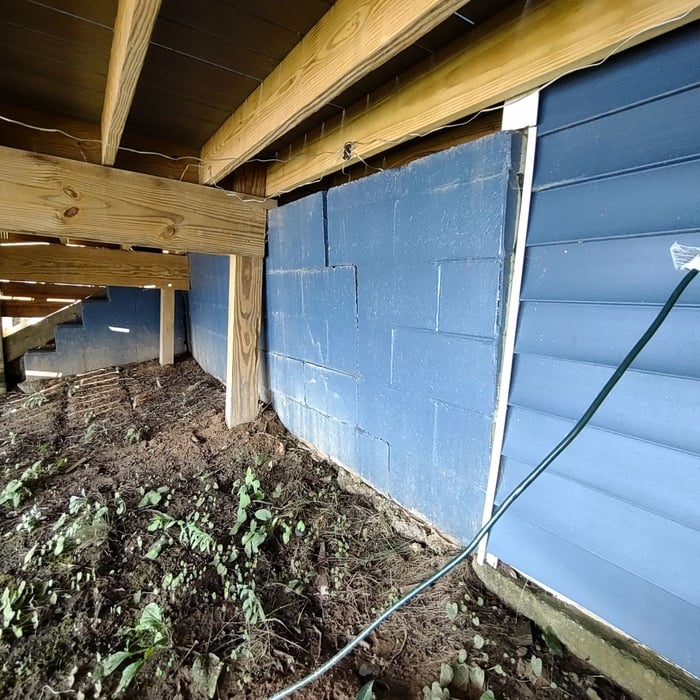
"Chris Peplinski came out and gave us a fair and honest estimate on fixing our foundation. Alex and crew arrived and installed helical piers to shore up our foundation and you couldn’t tell they were even here. Everything from the first call to the install was top notch! Highly Recommend!"
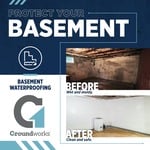
Basement
Basement
Basement
Basement
Concrete

+16

139 neighbors recently requested a quote
Recommended by86%of homeowners
Avatar for EverDry of Greater Grand Rapids
EverDry of Greater Grand Rapids
3.3(
128
)
Foundation, Basement or Crawlspace - Waterproofing / EncapsulationFoundation Drainage - Install or ReplaceBasement Drainage Channels - Install

Serving Bear Lake, MI and surrounding areas

Approved

In business since 1991

Free estimates

Emergency services offered

"Easy experience. Great salesman lol but the workers were awesome and really respectful. They messed up once on some of my city piping, but they came out the same day and fixed it with no questions or complaints. Nice to know my basement is warranted for the rest of the life of the house."
EZBreathe
SmartPower
After,Living Space
After
After,Living Space

+94

Response time1 day
162 neighbors recently requested a quote
Recommended by91%of homeowners

...
Showing 1-10 of 63
Masonry questions, answered by experts

Yes, concrete is significantly stronger than masonry, especially if the concrete pour includes reinforcements, like steel rebar. Concrete is a uniform material that can withstand compression, sheer force, and tensile force as long as it’s reinforced. Masonry involves the use of mortar or grout to connect individual building materials, like brick, stone, or tile. Mortar and grout are also reasonably strong and resist compression well, but they don’t come close to the strength of poured concrete.

Cutting stone comes with a number of safety hazards. First and foremost, if you’re not comfortable with the equipment required to cut stone, including blades and grinders, you could easily injure yourself. The heavy machinery also poses a risk to your ears if you don’t wear proper ear protection; similarly, you need to wear eye protection to keep debris from irritating your eyes.

However, the biggest risk from cutting stone comes from the stone dust. When breathed in, stone dust can be a huge hazard to your lungs. Always wear a face mask when cutting stone to prevent inhaling stone dust, and thoroughly clean the work area when you are finished.

To avoid injury, we recommend hiring a stone-cutting professional, rather than attempting this job yourself.

Brick can increase the value of your home depending on the type of masonry materials used. Homes generally have a higher resale value when they have brick siding, and brick is also easier to maintain (and lasts longer) than other types of siding, which can motivate buyers to make an offer.
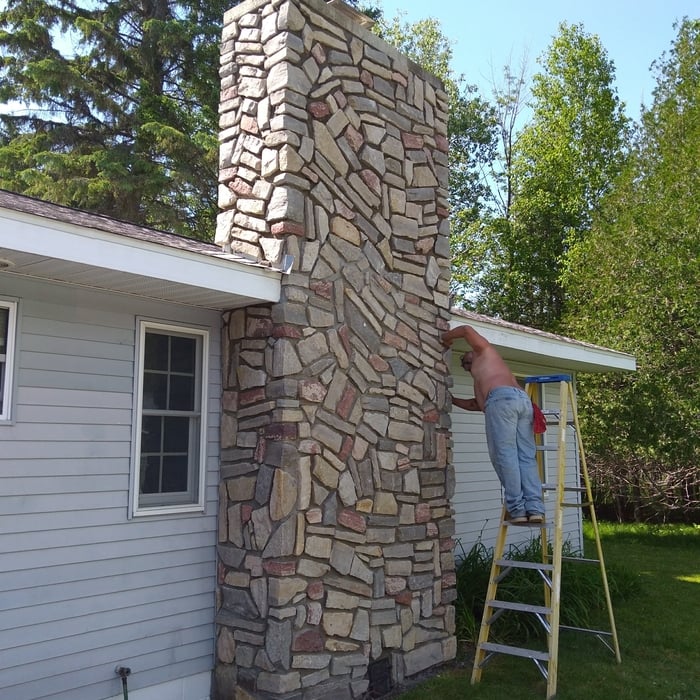
Just keep in mind, however, that although brick can up the asking price when you sell your house, the cost to brick a house is also more expensive than other typical siding costs—so you’ll invest more in the project.

Yes, it is normal to see some minor hairline cracks in brick or mortar over time, often due to natural foundation settling. However, not all cracks are harmless. You should be concerned and contact a masonry professional for an inspection if you notice cracks that are getting wider or longer, or if new ones keep appearing. Other serious warning signs that can indicate significant structural or foundation damage include large vertical cracks (especially those that widen as they go up), stair-step cracks, L-shaped cracks, and deep horizontal cracks. Factors like temperature changes, moisture, and structural loading can also cause cracks to form or worsen.
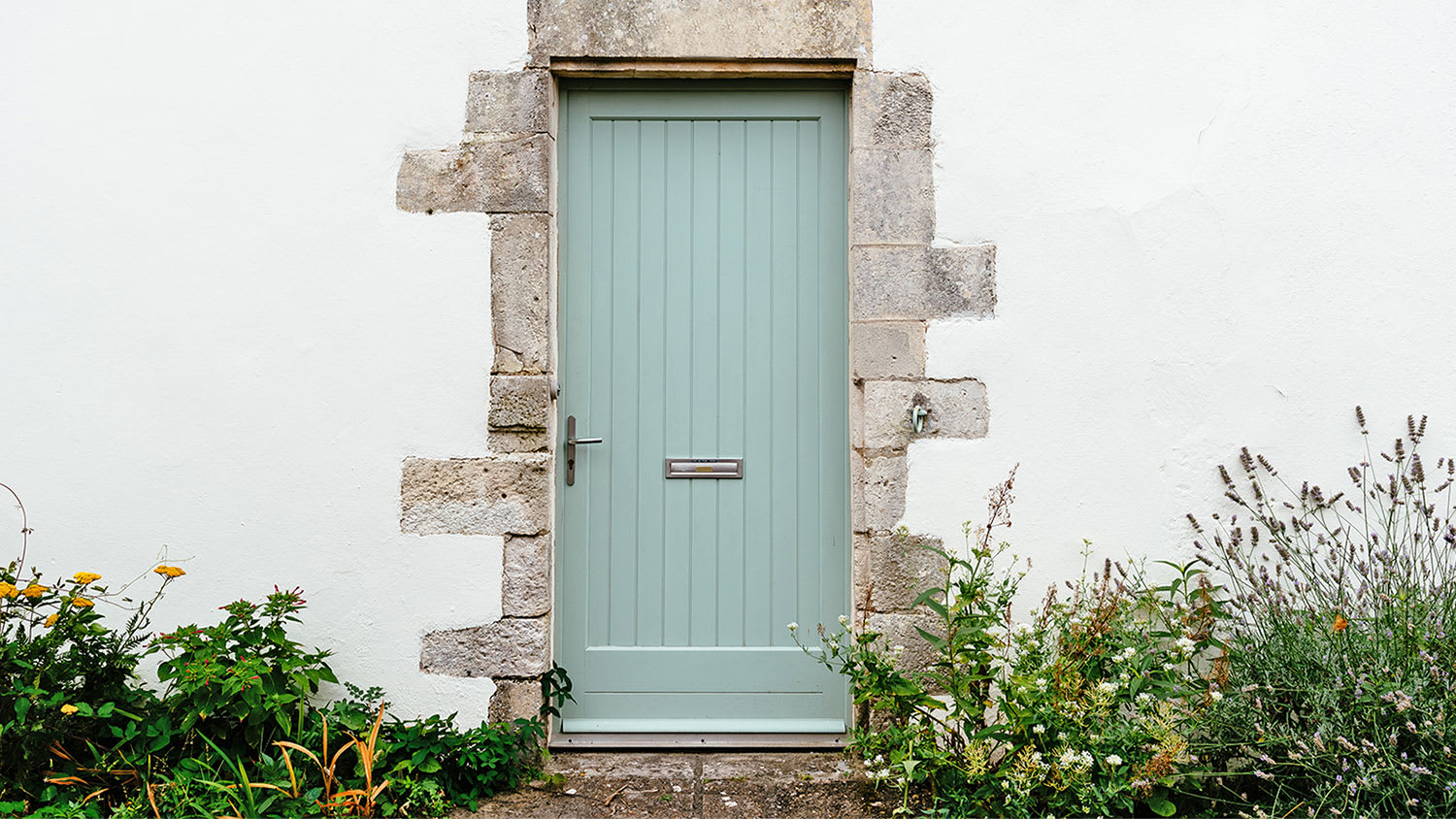

Mortar, or masonry mortar, is mainly used in joints and as parging for stone, brick, or cement construction. Stucco is primarily a surface material used as wall coverings. For maintenance, masonry will need repointing or replacing as damage or land shifting occurs, whereas stucco will need patching or refinishing as it tends to crack over time along with other types of wear-and-tear.

The Bear Lake, MI homeowners’ guide to masonry services

From average costs to expert advice, get all the answers you need to get your job done.