





Top-rated generator install pros.

Get matched with top generator install pros in Au Train, MI

Enter your zip and get matched with up to 5 pros

Need a pro for your generator install project in Au Train, MI?

Select your specific project to find the pro for you.

Find Generator install pros in Au Train

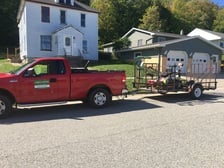
41 Electric
New to Angi

Serving Au Train, MI and surrounding areas

In business since 2018

Free estimates

Credit card accepted

41 Electric, provides complete electrical services or residential, commercial, and industrial customers. Along with new construction and exsisting remodel projects, we deliver professional grade results in office lighting, panel upgrades and any switches and fixture outlet fixes. We are licensed and experienced to provide the best quality service! Call us today.

Response time4 days
Generator Install questions, answered by experts

While diesel is relatively stable, it won’t last nearly as long as propane and you may have to replace it if it sits unused for too long. Diesel can sometimes struggle to work efficiently or start engines during especially cold weather, so it’s not the best choice for every climate. Compared to fuels like propane and natural gas, diesel generators tend to be noisier and create more exhaust, which isn’t always ideal for home use.

While the rating will tell you how many watts the refrigerator needs at the peak of its cycle, it requires additional wattage to start. At the bare minimum, you’ll need a 1,500-watt generator to get the fridge up and running after a blackout. A 2,000-watt generator should be sufficient for most home refrigerators.

Generators run on a variety of fuel types, ranging from natural gas to solar power. Keep in mind that fuel costs varying by type:

  • Natural gas: $2,000–$21,000 per year 

  • Liquid propane: $2,000–$21,000 per year

  • Diesel: $3,000–$20,000 per year

  • Gasoline: $500–$3,000 per year

  • Solar generator: $2,000–$25,000 per unit

  • Battery backup: $10,000–$25,000 per unit

Generators are safe to use as long as they are installed and operated correctly according to the manufacturer's recommendations. The most critical safety tips are to never use a portable or fuel-powered generator inside an enclosed space due to the risk of lethal carbon monoxide poisoning; always operate it outdoors where fumes can dissipate away from your home. Additionally, never attempt to connect a generator to your home’s electrical panel yourself—hire a professional to ensure the setup meets safety standards. Finally, avoid overloading the generator by not connecting more appliances than it is rated for, as this can damage your equipment or cause a fire.

To power a central air system during a power outage, the whole-house generator will need to be at least 5,000 watts, and this number will significantly increase for larger units. Check the specific wattage requirements of your AC unit to choose the right generator size. Consider consulting a generator installer to ensure your whole-house generator meets your electrical load needs.

The Au Train, MI homeowners’ guide to generator installs

From average costs to expert advice, get all the answers you need to get your job done.




