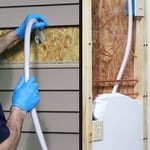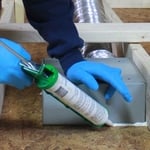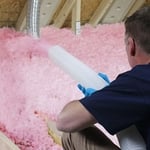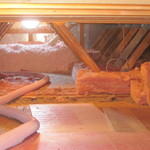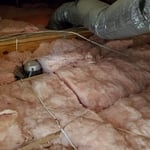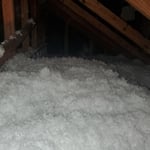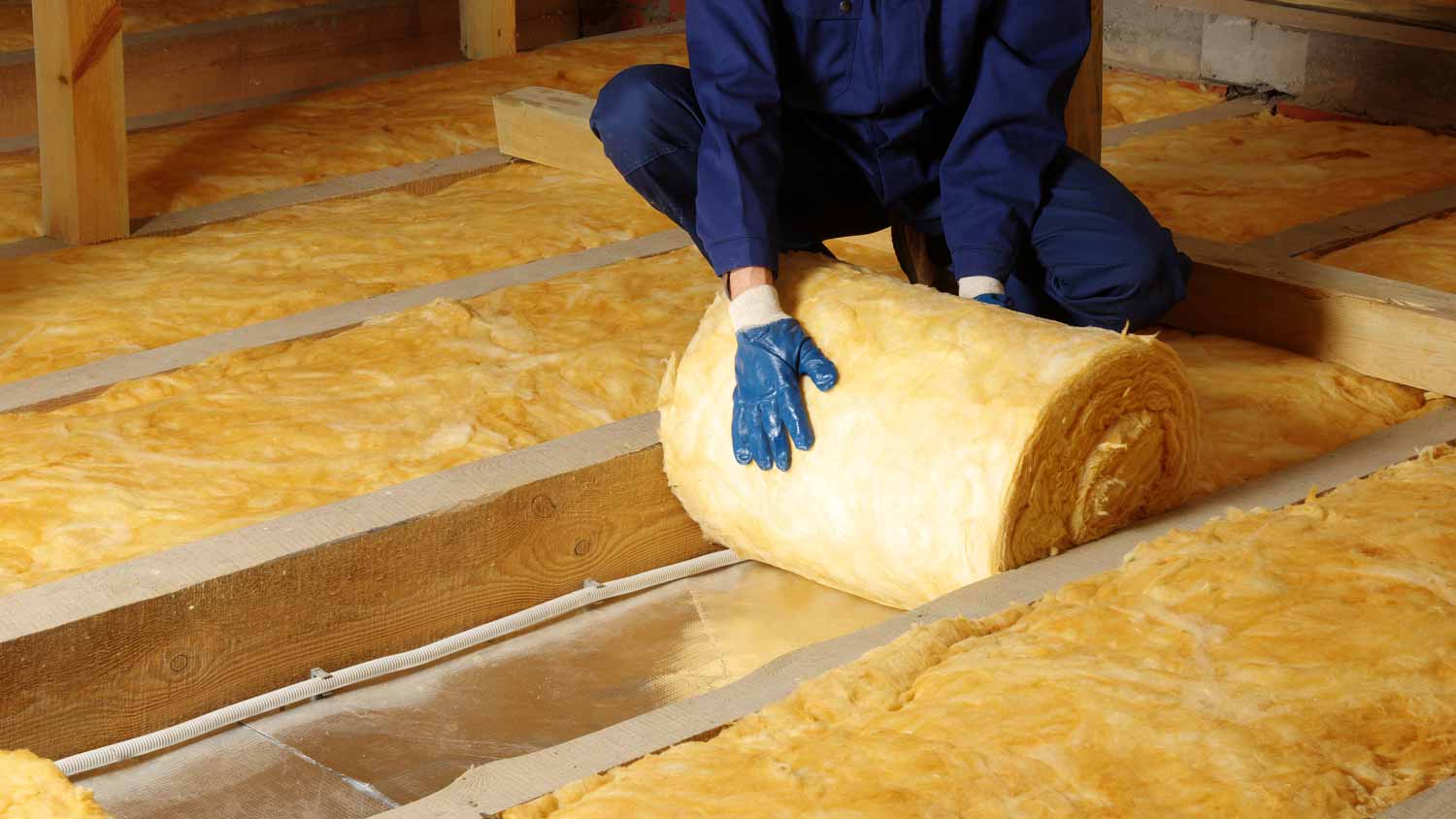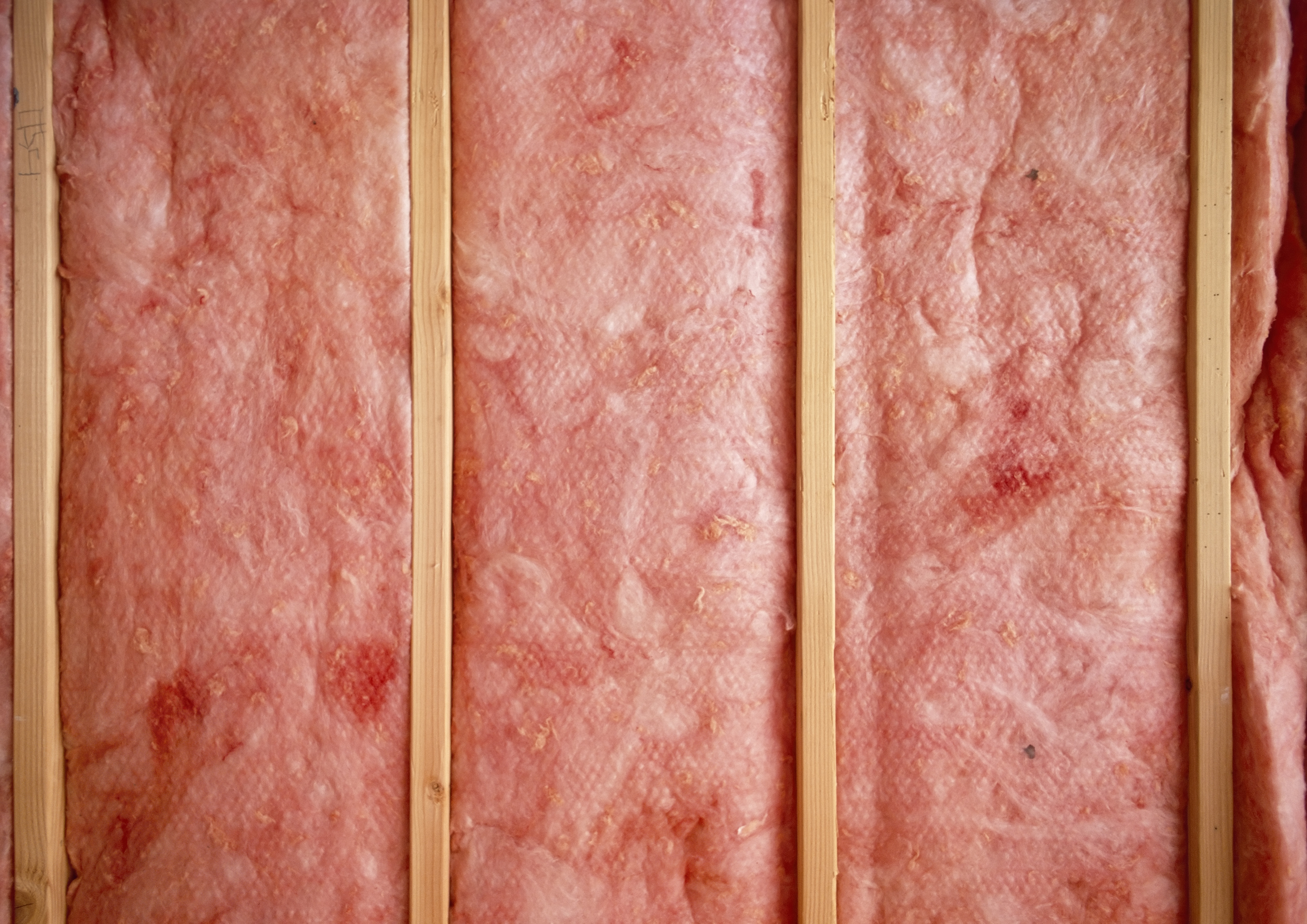




We do not recommend fiberglass insulation for soundproofing purposes, especially if you are working on a room that’s part of your living space. Fiberglass insulation is dangerous, and the installation process is hazardous. It is also harmful to the environment. When there are so many newer, healthier non-fiberglass alternatives in the market, the lower cost of fiberglass insulation simply doesn’t justify the harm and danger it poses.
A garage ceiling needs a vapor barrier if it’s a heated garage or if you’re installing insulation in the ceiling. Without a vapor barrier, you risk moisture issues and mold growth. If you have an unheated garage and don’t plan on installing insulation that could get wet and harbor mold, the ceiling doesn't need a vapor barrier.
Hanging a thick blanket over your windows will help to keep the heat inside, but only a little. Covering the glass will also prevent the sunlight from getting in, which might actually decrease the efficiency of your window overall. If you get to the point where you’re hanging blankets over your window to keep warm, call in an expert to seal around your windows to prevent warm air from escaping. They may also recommend replacing old windows that aren’t as insulative as newer window technology. Sealing a window isn’t terribly expensive and can make a big difference.
Yes, it is possible to have too much insulation, which can have detrimental effects. While more insulation might seem better for energy efficiency, a home needs to "breathe" or ventilate to release moisture that accumulates inside. Over-insulating can seal a house too tightly, trapping water vapor and leading to several problems, including mold, mildew, and condensation. Homes in warm, humid climates are particularly susceptible to mold, while those in colder climates can experience condensation from temperature fluctuations. Additionally, adding more insulation than the recommended amount for your climate may not provide recoverable energy savings. To avoid these issues, consult a professional insulation contractor who can determine the optimal amount of insulation for your home.
Ideally, you can add new insulation to your existing insulation. However, some circumstances require you to remove old insulation before adding any new insulation:
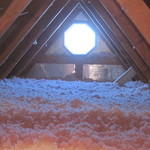
Insulating your attic can massively improve your home’s efficiency and reduce electric bills. Use this guide to find out what attic insulation will cost you.
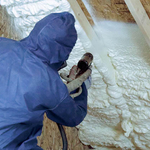
Discover the average injection foam insulation cost, key price factors, and ways to save. Get transparent estimates to plan your home insulation project confidently.
If your home’s temperature is uncomfortable or your energy bill is spiking, you should check your insulation. We'll help you find out if you should replace it.
Removing old insulation may be necessary for upgrading your insulation. Keep reading to see if you should remove old insulation before adding new insulation.
Read our step-by-step guide and learn how to remove fiberglass insulation. Our instructions will help you remove this tricky material quickly and safely.