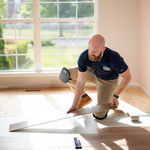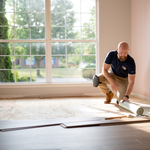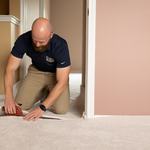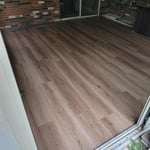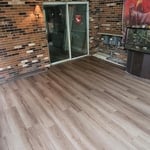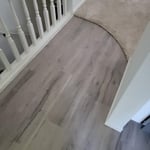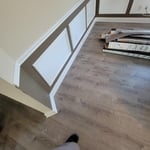



Top-rated carpet installation pros.

Best carpet installation pros near Almont, MI

Enter your zip and get matched with up to 5 pros

Need a pro for your carpet installation project in Almont, MI?

Select your specific project to find the pro for you.

TRUSTED BY ALMONT, MI HOMEOWNERS

  • Average homeowner rating star icon5
    Average homeowner rating
  • Verified reviews icon14
    Verified carpet installation reviews

Top-Rated Carpet installation pros in Almont - Updated Nov 2026

Avatar for Floors by Michael
Floors by Michael
4.6(
8
)
Carpet - Install

Serving Almont, MI and surrounding areas

Approved

In business since 1951

Free estimates

Warranties offered

"The choice of floors was excellent. The The salespeople were very informative and patient. The installers did expert work. The office people were helpful. Every one of these people were pleasant. We are completely satisfied."
Floors by Michael
Floors by Michael
Floors by Michael
Floors by Michael
Floors by Michael

+2

331 neighbors recently requested a quote
Dwight Bennett
New to Angi
Carpets or Rugs - Clean OffsiteCarpets or Rugs - Clean at Home

Serving Almont, MI and surrounding areas

Approved

Free estimates

Small jobs welcome

Hi, I'm Dwight! I'm a hardworking handyman and new business owner who believes in doing quality work at honest prices. I take pride in being dependable, paying attention to the little details, and making sure every customer is happy with the finished job. If you're looking for someone who will work hard, treat your home with respect, and offer great value, I'd be happy to help with your next project.

...
Showing 1-10 of 89
Carpet Installation FAQs, answered by experts

In most cases, you do not need to put padding or underlayment under carpet tiles. Unlike traditional carpet, which requires a separate pad, carpet tiles are designed to be installed directly onto a firm subfloor like plywood, concrete, or tile. Many carpet tiles come with a built-in underlay and attach with peel-and-stick adhesive, double-sided carpet tape, or glue. For a more comfortable, cushioned feel, especially in residential settings, you can opt for padded carpet tiles that have a thicker underlay attached. While it's generally not recommended to install a separate pad, a compact underlayment might be used in some situations, though this typically requires professional installation. An acoustic underlay may also be considered in commercial spaces or multi-level homes where noise reduction is a priority.

The first step in budgeting for carpet is to determine the amount of carpet you need and the type of carpet you want. You might be tempted to opt for the least expensive option if you have a limited budget, but a low-quality carpet won’t last as long as a high-quality one. When accounting for future carpet repair costs, it makes sense to buy the best-quality carpet you can afford.

The average cost to install new flooring is around $3,162, with a typical price range between $1,530 and $4,860. On a per-square-foot basis, you can expect to pay an average of $3 to $22, including installation. Several factors influence the total price, including the flooring material, project size, geographic location, and any special features. Material choice is a significant cost driver; vinyl plank, linoleum, and carpet are on the lower end ($3 to $7 per square foot), while stone, tile, and hardwood are more expensive, with hardwood reaching up to $22 per square foot. Prices can also vary by region, and installing flooring on stairs will add to the cost, typically ranging from $11 to $160 per step.

When deciding whether to repair or replace your carpet, consider its age, the extent of the damage, and its location. It's often best to replace the entire carpet if the damage is extensive, such as large sections needing replacement, or if it's caused by water, which can lead to mold problems. Similarly, if your carpet is nearing a decade old, replacement is likely the more logical choice. On the other hand, consider repairing your carpet if the damage is localized to one spot, like minor rips or snags, the carpet is still relatively new, or the damage is in a low-traffic area of your home.

If you have a concrete subfloor, you must secure the carpet padding with adhesive or glue. However, if you have a wooden subfloor, use staples instead. Removing a glued-down carpet can be difficult and time-consuming, so it’s best to avoid glue when possible.

The Almont, MI homeowners’ guide to carpet installation

From average costs to expert advice, get all the answers you need to get your job done.