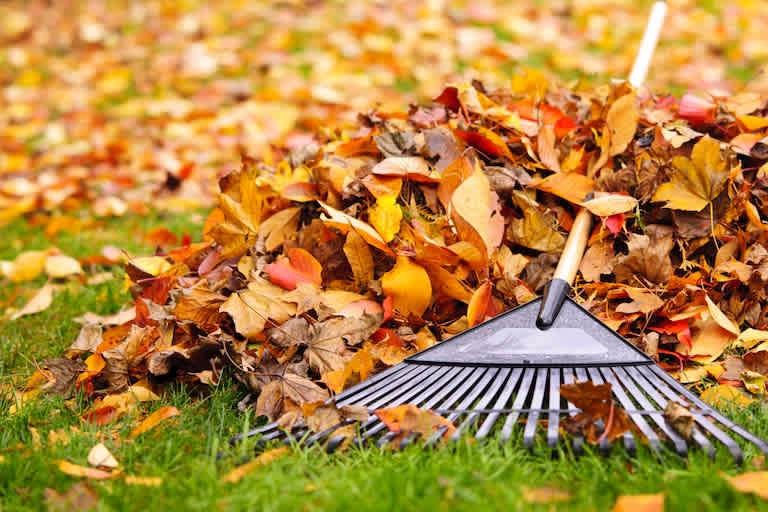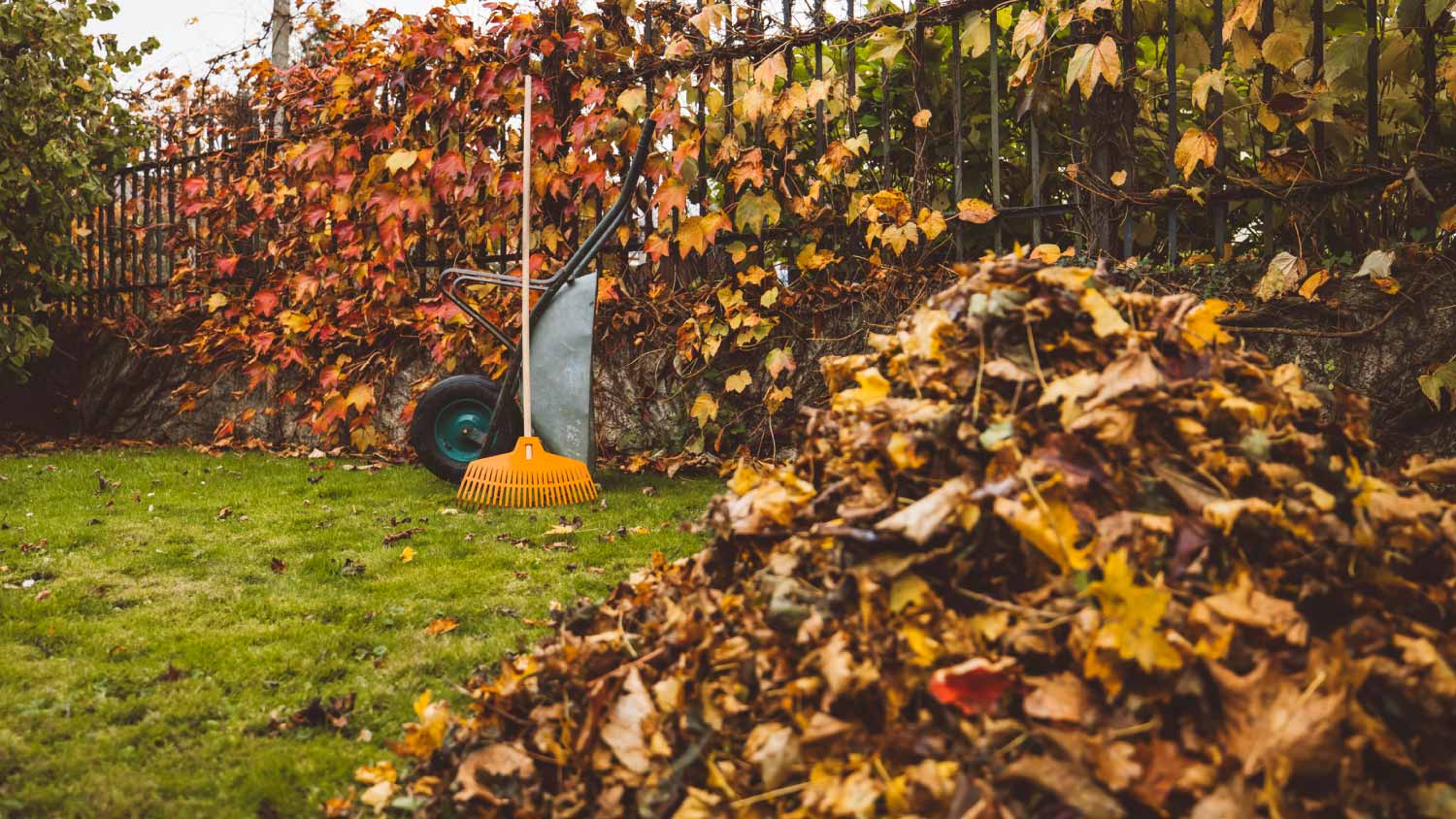





Top-rated leaf removal pros.

Get matched with top leaf removal pros in Bridgton, ME

Enter your zip and get matched with up to 5 pros

Need a pro for your leaf removal project in Bridgton, ME?

Select your specific project to find the pro for you.

TRUSTED BY BRIDGTON, ME HOMEOWNERS

  • Average homeowner rating star icon4.4
    Average homeowner rating
  • Verified reviews icon33
    Verified leaf removal services reviews

Find Leaf removal pros in Bridgton

Avatar for David J Boutilier
David J Boutilier
5.0(
7
)
Waste, Junk, Building Materials and Debris - Remove and HaulLawn & Yard Waste Clean Up

Serving Bridgton, ME and surrounding areas

Approved

In business since 2016

Free estimates

Offers commercial services

"Excellent job! Dave was the first to quote the job and had a better price. He came with crew on time and finished everything I'd requested in one full day as quoted! The work involved extensive tree and brush removal as well as trimming branches to open up view corridors. I wholeheartedly recommend Dave. If he quotes you a job, he will deliver."
David J Boutilier
David J Boutilier
David J Boutilier
David J Boutilier
David J Boutilier

+13

30 neighbors recently requested a quote
...
Showing 1-10 of 110
Leaf Removal questions, answered by experts

While not all homes built before 1978 contain lead paint, enough do, so you’ll still want to test to be on the safe side. The federal government banned lead-based paint for homes in 1978, but your state may have banned lead before that time. Around 24% of homes built between 1960 and 1977 contained lead-based paint, while 87% of homes built before 1940 contained lead-based paint.

According to the Environmental Protection Agency (EPA), hazardous waste is generally classified into four main categories:

1. Characteristic Wastes: These exhibit at least one of four hazardous traits: ignitability (flammable, like gasoline), corrosivity (can rust or decompose materials, like car batteries), reactivity (unstable and can explode, like aerosol cans), or toxicity (harmful when ingested, like lead-based paint).

2. Listed Wastes: These are specific wastes from manufacturing and industrial processes that the EPA has officially designated as hazardous. They include byproducts from processes that use solvents, pesticides, and other chemicals.

3. Universal Wastes: These are commonly generated hazardous items that are subject to streamlined regulations. Examples include batteries, pesticides, mercury-containing equipment (e.g., bulbs), and some lamps.

4. Mixed Wastes: This category includes waste that contains both hazardous and radioactive components, making it subject to regulation by both the EPA and the Nuclear Regulatory Commission.

You may see specialty products for sale to remove lead dust, such as D-Lead surface wipes. But you do not need to buy a special cleaner just for lead dust. A regular all-purpose cleaner, like 409 or something similar, is sufficient for cleanup. Just make sure to follow the manufacturer's directions when using it and to dilute with water.

Professionals use appropriate equipment to prevent property damage and ensure efficiency.

Embarking on a kitchen demolition comes with its share of risks to keep in mind. Think of potential encounters with asbestos, sharp objects, and power tools—not to mention the peril of structures wobbling or unexpected plumbing surprises. And, of course, you will be surrounded by dust and debris throughout the process. All of the above makes safety gear necessary, or you can consider hiring a qualified professional.

The Bridgton, ME homeowners’ guide to leaf removal services

From average costs to expert advice, get all the answers you need to get your job done.