


Top-rated arborists.

Get matched with top arborists in Limestone, ME

Enter your zip and get matched with up to 5 pros

Need a pro for your arboricultural service project in Limestone, ME?

Select your specific project to find the pro for you.

Find Arborists in Limestone

Avatar for Black Majic Sealcoating
Black Majic Sealcoating
4.6(
5
)
Tree RemovalTree Removal - For BusinessTree Stump - Remove+5 more

Serving Limestone, ME and surrounding areas

In business since 1995

Free estimates

Emergency services offered

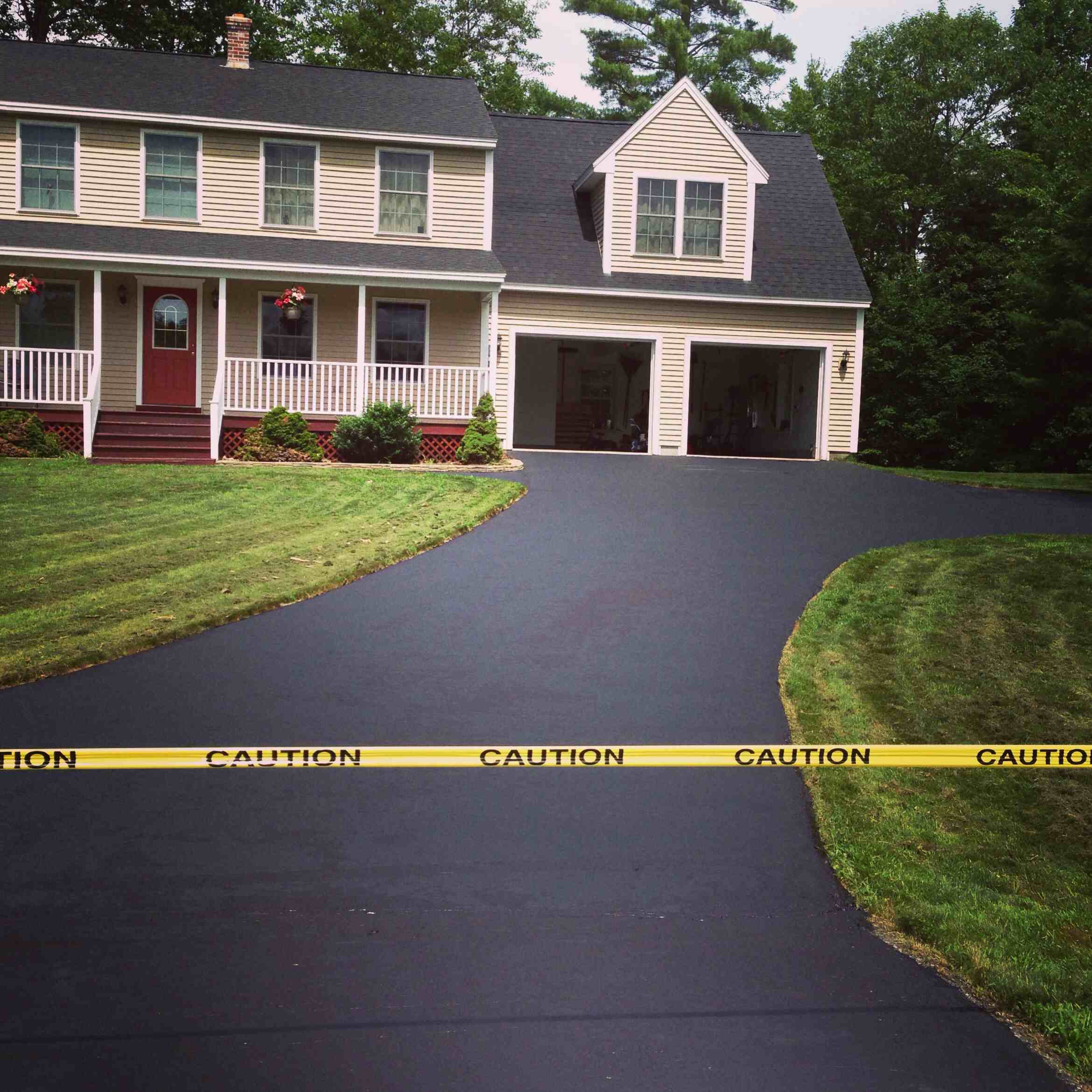
"I had a Groupon for 1000 sq. ft. of driveway sealing.  I have about 2000 sq. ft.  I bought the Groupon and called, and I was told it would be another $170, so I wanted to set the appointment.  It actually took a year to get done, as he had too many Groupon customers and was giving scheduling preference to his existing client base.  Once we had the appointment, they arrived on time, could not have been more pleasant, did a great job, and left the area spotless.
"
Additional Photos
Additional Photos
Additional Photos
Additional Photos
Additional Photos

+2

Recommended by100%of homeowners
Tardiff Landscaping and Property Maintenance
New to Angi
Tree Stump - RemoveTree Stump - Remove - For Business

Serving Limestone, ME and surrounding areas

In business since 2013

Free estimates

Credit card accepted

We take great pride in our experience, expertise, quality, and customer service that we provide to meet the consumer's needs. It is our mission to provide excellent workmanship and complete customer satisfaction from start to completion of a project. In order to understand the needs and expectations of our customers, we take great care to work and communicate with every customer in a professional manner. Our reputation is based on service, safety, and quality, regardless of how large or small the job.

Arborists questions, answered by experts

If you want to take your tree-planting hobby beyond your outdoor space, here are a few great ways to do it:

  • Encourage your neighbors to participate in the Arbor Day Foundation’s Tree City USA program, which has a four-step framework that helps communities grow and maintain their own tree cover.

  • Support businesses that plant trees. 

  • Lobby your local government to plant more trees around your community.

  • Donate to a tree-planting charity.

Trees that flower in the spring—like dogwood, cherry, magnolia, and pear—should not be pruned during the winter. These spring-flowering plants grow buds on old growth, so you’ll actually remove what would’ve been gorgeous flowering foliage. Instead, wait to prune until right after they bloom, when the flowers fade.

A tree growing close to a house can pose several risks, but removal isn't always the only or best solution. Potential problems include roots growing into the foundation and causing structural cracks, branches damaging the roof or promoting moss growth, and debris clogging gutters, which can lead to water damage. Trees can also provide access for pests and encourage mold. However, a small, healthy tree may not be a problem, and for larger, established trees, strategic trimming can be a cheaper and more beneficial alternative to removal. It is generally recommended to take action for trees within 10 to 20 feet of your home, especially if they are unhealthy or encroaching. Your best bet is to consult a professional arborist who can assess the specific situation and provide expert advice.

Consumers typically do not need to worry about the cost of tree insurance, as professional tree service companies pay for their own coverage. For a tree service business, an average U.S. policy covering about $1 million in general liability costs roughly $40 a month or $500 a year. More extensive policies, providing between $500,000 to $2 million in coverage, can cost between $3,000 and $6,000 annually, depending on the company's size and scope of work. Tree service professionals should speak with an insurance company to determine the right plan for their business.

You should avoid cutting off the top of mature cherry trees. This process is called tree topping, and it’s not recommended for cherry trees—or any trees, for that matter. Tree topping removes between one-third to half of the length of the tree trunk, resulting in structurally unsound, fruitless suckers. The only exception is for saplings. Young pie, sour, and tart cherry trees that are over 30 inches tall in the fall or winter before the tree blooms can benefit from heading cuts.

The Limestone, ME homeowners’ guide to arboricultural services

From average costs to expert advice, get all the answers you need to get your job done.