


Top-rated arborists.

Best arborists near Eagle Lake, ME

Enter your zip and get matched with up to 5 pros

Need a pro for your arboricultural service project in Eagle Lake, ME?

Select your specific project to find the pro for you.

Top-Rated Arborists in Eagle Lake - Updated Nov 2026

Avatar for Black Majic Sealcoating
Black Majic Sealcoating
4.6(
5
)
Tree RemovalTree Removal - For BusinessTree Stump - Remove+5 more

Serving Eagle Lake, ME and surrounding areas

In business since 1995

Free estimates

Emergency services offered

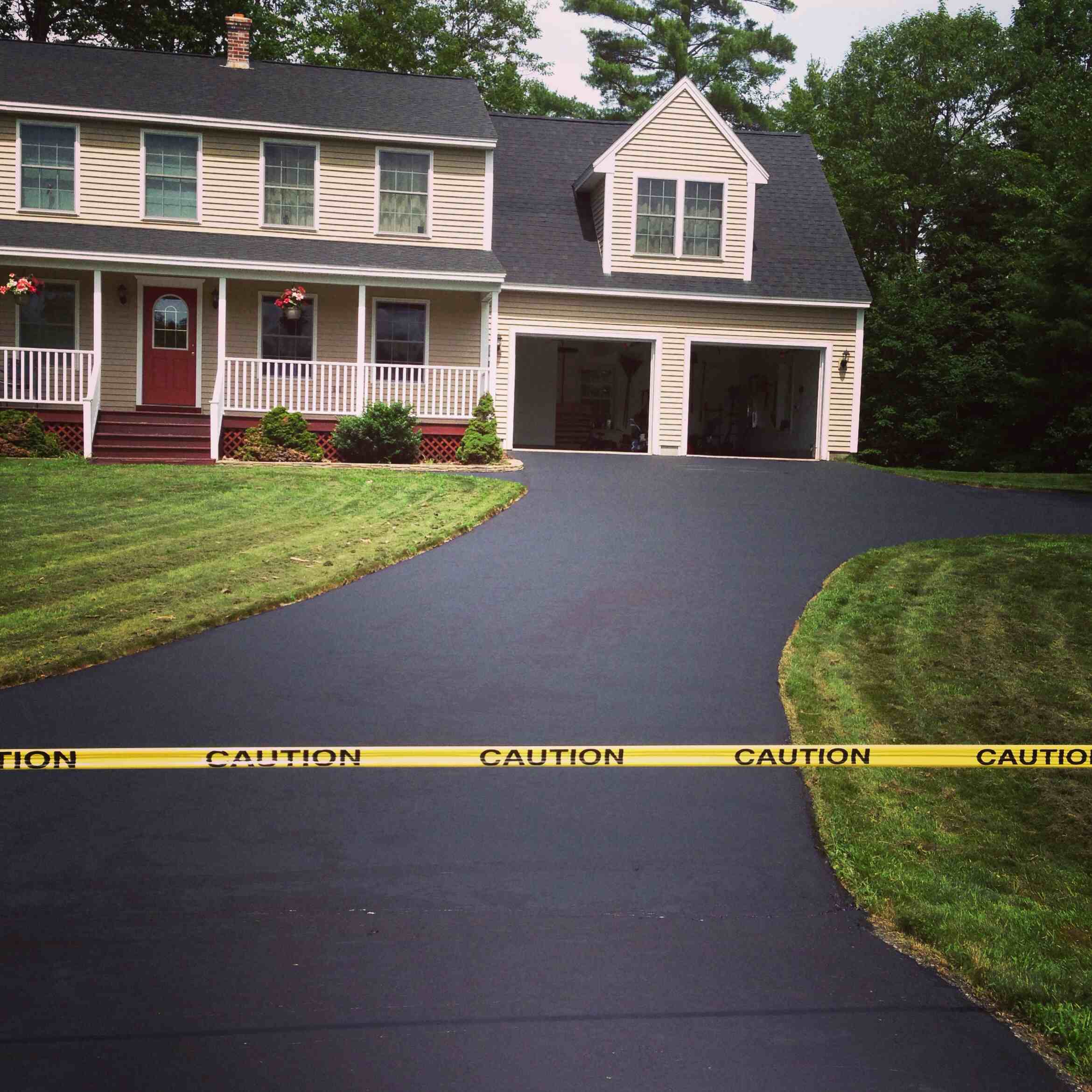
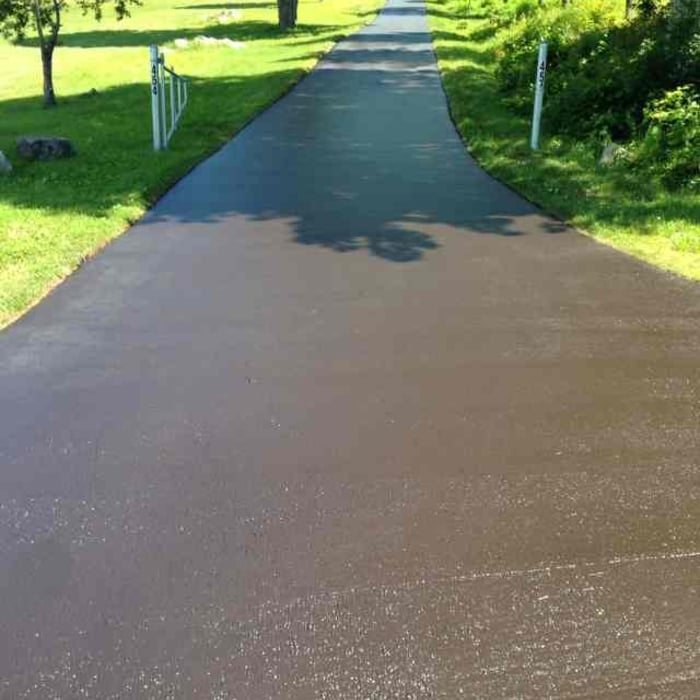
"I had a Groupon for 1000 sq. ft. of driveway sealing.  I have about 2000 sq. ft.  I bought the Groupon and called, and I was told it would be another $170, so I wanted to set the appointment.  It actually took a year to get done, as he had too many Groupon customers and was giving scheduling preference to his existing client base.  Once we had the appointment, they arrived on time, could not have been more pleasant, did a great job, and left the area spotless.
"
Additional Photos
Additional Photos
Additional Photos
Additional Photos
Additional Photos

+2

Recommended by100%of homeowners
Tardiff Landscaping and Property Maintenance
New to Angi
Tree Stump - RemoveTree Stump - Remove - For Business

Serving Eagle Lake, ME and surrounding areas

In business since 2013

Free estimates

Credit card accepted

We take great pride in our experience, expertise, quality, and customer service that we provide to meet the consumer's needs. It is our mission to provide excellent workmanship and complete customer satisfaction from start to completion of a project. In order to understand the needs and expectations of our customers, we take great care to work and communicate with every customer in a professional manner. Our reputation is based on service, safety, and quality, regardless of how large or small the job.

Arborists FAQs, answered by experts

It is possible to burn out a tree stump if it is dried out and in an area of your property with a large buffer. Drill holes in the stump and dig around the base so it burns more easily. Then, build a small campfire on top using kindling and firewood. You’ll need enough to keep the fire going for many hours to completely burn out the stump, especially if it’s large. 

Monitor the fire closely to ensure it doesn’t spread, and have a hose on hand if it starts to get out of control. When the fire is out, break apart the burned stump and dig out what’s left of it.  

If this sounds like a good option, learn more about how to burn a tree stump before attempting it, as it does come with risks.

Once you confirm a tree is dead, you should remove it. Dead trees eventually fall, and larger trees in particular can cause damage to rooftops, fencing, flowers, and other objects. As we mentioned, letting decayed wood stay in your yard also invites risks to the surrounding landscaping and vegetation.

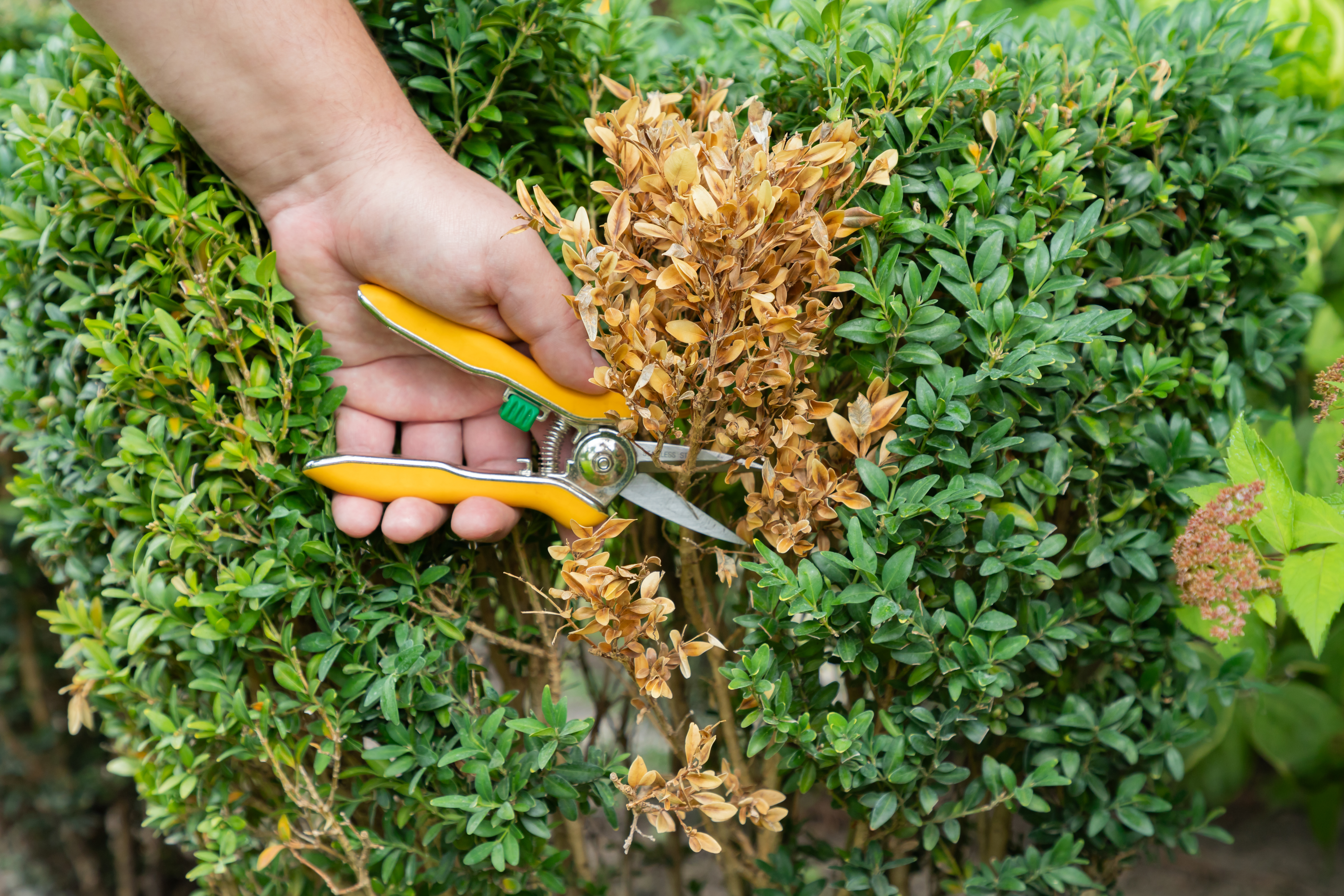
There are a few general rules to follow that will help you prune your trees correctly. One of the most important rules is to prune during the correct season for the type of tree you have. Typically, pruning should be during late winter. For younger trees, you should not remove more than a ⅓ of the tree's crown when pruning. Also, remember to remove dead and diseased branches first, then proceed with pruning the rest of the tree.

The best time to transplant a tree is when it is dormant. For many trees, this means either in the fall after the leaves have dropped (around October or November) or in early spring before new growth begins (around March). The ideal timing can depend on the type of tree. Deciduous trees do well when moved in early spring or fall, while evergreens are best transplanted in early spring or late summer. For example, pine trees are best moved in early fall, but maples prefer late fall. Avoid transplanting in winter, as the frozen or hard, cold soil poses a significant risk to the roots and prevents the tree from acclimating properly.

In nature, there are many things that can cause a tree to die, including diseases, insects, and natural disasters such as fires or droughts. Non-natural methods of killing a tree include herbicides or manual intervention, such as cutting it down. Consult a tree removal professional about your options for naturally killing a tree.

The Eagle Lake, ME homeowners’ guide to arboricultural services

From average costs to expert advice, get all the answers you need to get your job done.