"Kay's team is the best!!! The entire company is very responsive and will come back when requested (we have had them come back when we see ants). They do a very thorough job, are all very professional and knowledgeable, and provide exceptional customer service. We have recommended them to several neighbors and they all love Insight too!"
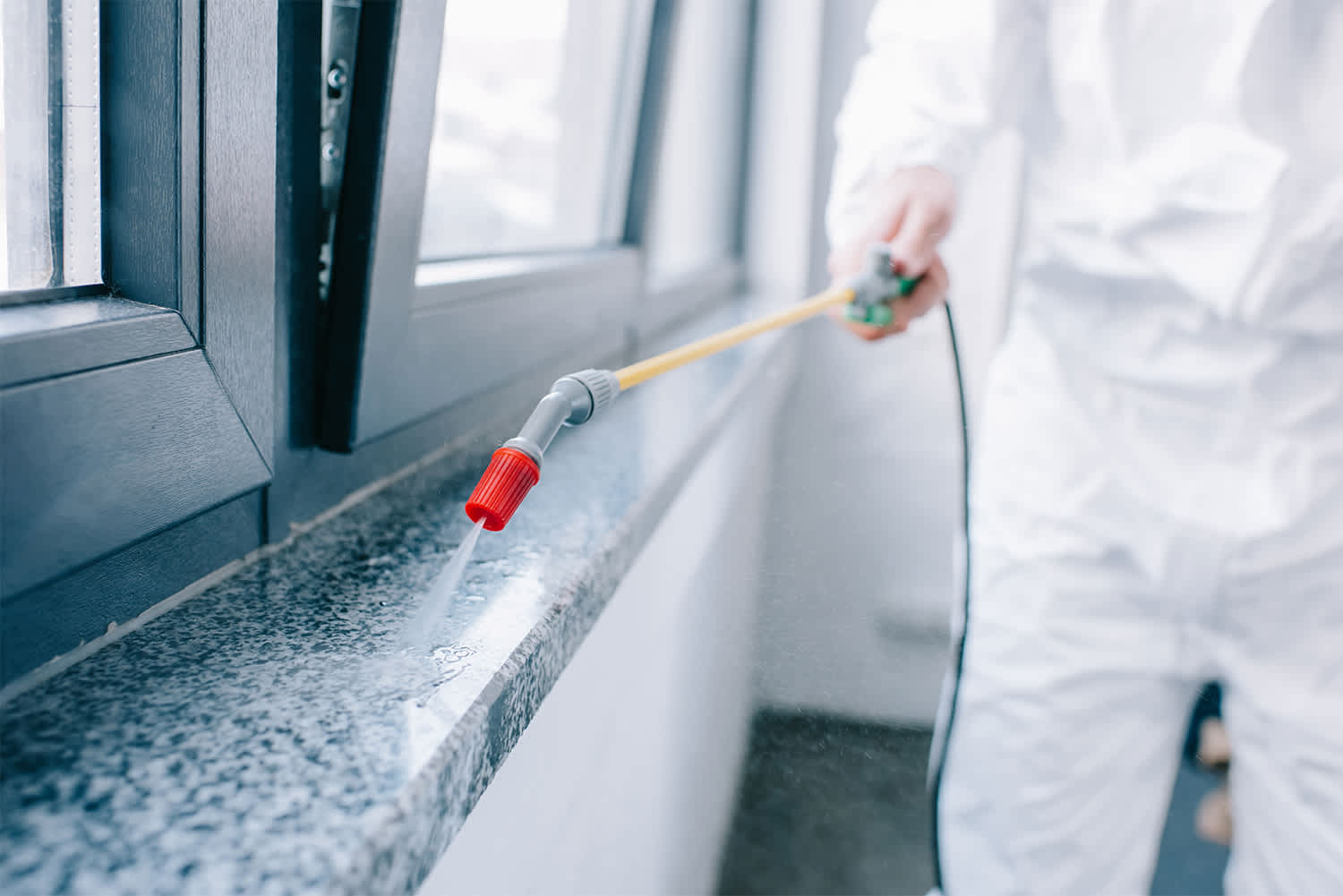
"Very knowledgeable guy who seem to know what he’s doing. Don’t know results of spraying. Have had much rain since. Will have to see if it worked. Terminex will spray again the beginning of next month."
"United Air Temp was able to procure a replacement furnace controller board in a couple of days and Zachary was out within 4 days of the initial visit. The furnace now works very well."
Some natural applications are known to make bed bugs unhappy, like peppermint and tea tree oil. But bed bugs are tenacious and as long as there are sleeping humans around to feed on, they’ll stick around. It’s best to destroy them outright by using heat, steam, or fumigation methods.
Yes, wolves are generally afraid of humans, as well as most large carnivores, such as bears. The risk of a wolf attacking a human or killing them is very low. Biologists hypothesize that this fear was instilled over centuries of humans hunting wolves and the fact that humans have an upright posture like bears that wolves are also afraid of. Like all wildlife, it’s best not to feed wolves and keep them at a distance from yourself and your home.
If you want to get rid of rats fast and don’t mind the price, we suggest contacting pest control. They have the methods, experience and equipment to handle the job as quickly as possible, along with suggestions on how to make sure rats won’t pose any problem in the future. It’s the most complete response available to homeowners.
Scientists have found that the chemical traces a dying wasp releases can agitate nearby wasps and make them more aggressive. It may not necessarily attract wasps, but it will make wasps in the area more likely to investigate and feel threatened, which leads to more stings. As a result, it’s not a good idea to swat or crush a wasp anywhere near their nest. Once you have found a nest, hire a wasp exterminator.
A solution of one part bleach to 10 parts water or a disinfecting product that contains phenol (such as Lysol) is known to kill hantavirus and other pathogens found in mouse urine and feces. Simply spray this solution over and around the locations you expect mice to be living and running through, and the homemade disinfectant will do its job to rid your home of any feces and urine particles you could be exposed to.
The Jackman, ME homeowners’ guide to pest control services
From average costs to expert advice, get all the answers you need to get your job done.