Granite Coast Builders
Landscape - Minor Grading or Resloping
Serving Jackman, ME and surrounding areas
Approved
Free estimates
Custom carpentry in midcoast Maine \nCall (207)408-8504 for contact.
1 neighbors recently requested a quote

Serving Jackman, ME and surrounding areas
Approved
Free estimates
Custom carpentry in midcoast Maine \nCall (207)408-8504 for contact.
Serving Jackman, ME and surrounding areas
Approved
Hi my name is Tyler. I have alotted a lot of skills over the years and want to put them to use. I am hard working and dedicated to each job I take. I am good for a lot of small jobs - cleaning, building/fixing things, lawn care, etc. Can take on larger jobs with more people if needed. I take my time and make sure you are happy with what you receive.
Serving Jackman, ME and surrounding areas
In business since 2023
Free estimates
Warranties offered
"Honestly this may be the most professional crew out there. Every aspect was made easy by Eastern Maine Excavation. Their work was perfect and price was very reasonable. I had issues with our septic with other contractors but these guys did it right the first time. I was so impressed that I had them redo my driveway right after. I cannot explain how much they made my experience easier but I would recommend them to anyone looking for any level of site work."

+51
Serving Jackman, ME and surrounding areas
In business since 2010
Free estimates
Emergency services offered
"The job was a big one, and the guys handled it beautifully, leaving our lot looking great. We are more than pleased with the outcome. Nicely done!"
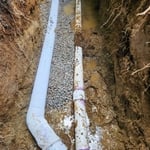
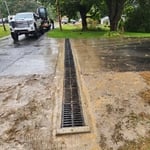
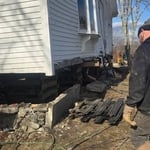
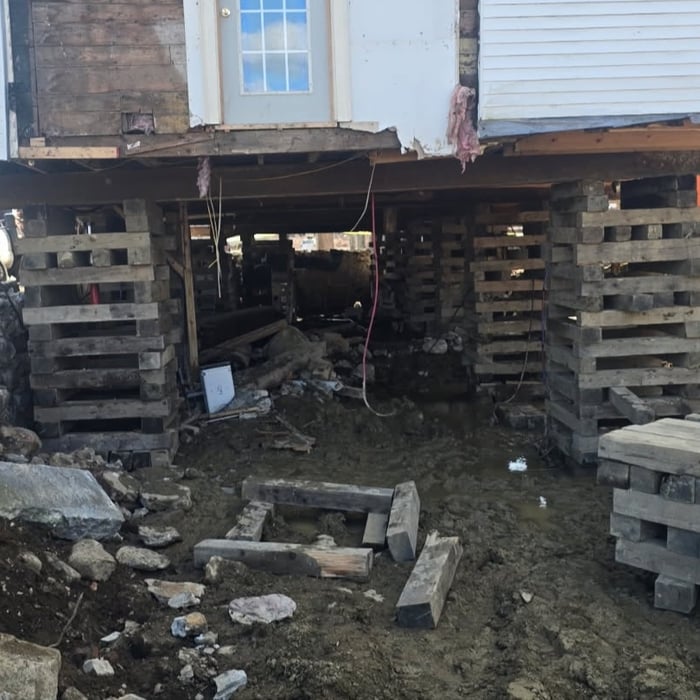
+18
Serving Jackman, ME and surrounding areas
In business since 2021
Free estimates
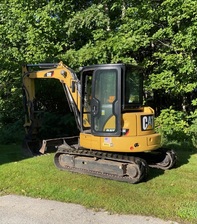
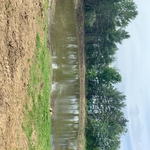
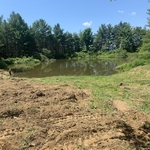
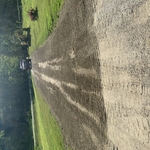
"Excellent work. On time and even recommended we do some additional work to alleviate additional erosion. Would hire him again"

Serving Jackman, ME and surrounding areas
In business since 1983
Free estimates
Emergency services offered
"Everything went wonderfully with this company. They were very professional, listened to exactly what my problem was, and explained to me how they were going to diagnose the problem and/or solve it before doing any actual work. Once they started, the team (three people came) worked together like a well-oiled machine. One was in the room with diagnostics, one was at the fuse box looking for possible problems there, and the third went into the crawlspace beneath our house to look at the physical wiring. Once the problem was found (there was a faulty wire beneath the house that had come loose from the junction box), it was fixed and tested within minutes and another full diagnostic was done to make sure there were no other possible issues. They cleaned up after themselves very neatly. They also replaced the light switch with a dimmer switch at no extra cost! Well within my budget, and came in even lower than their original (FREE) estimate! I would highly recommend this company to anyone in the Bergen County area.
"
+37
Serving Jackman, ME and surrounding areas
In business since 1991
Free estimates
"We worked with Tim Warren of Quality Excavation to help turn the vision we had for our property into a reality. He came to walk our property, listen to what our goals were, offered his experience and was open to some last minute changes. We wanted the work done by the spring of 2018 and realized if the work was not done before winter set in we would not meet our goal. With this reality Tim rearranged his schedule to ensure the project was done before the first snow. After the work was done one of our neighbors came by and their response was “better than fantastic.” Tim would be the first and only excavator I would work with if I ever had another project to do."
Serving Jackman, ME and surrounding areas
In business since 1995
Free estimates
Emergency services offered
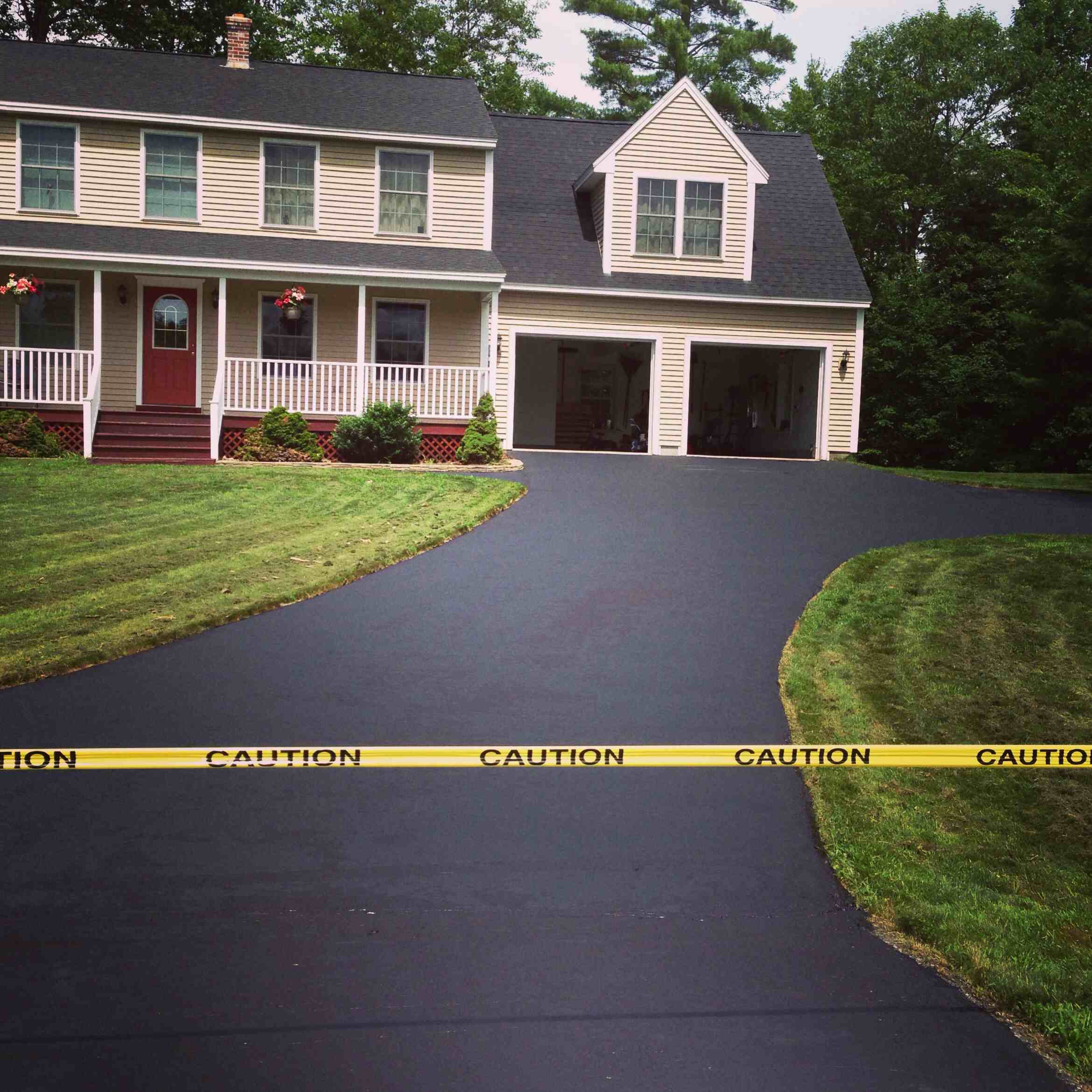
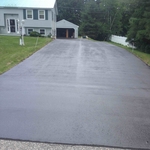
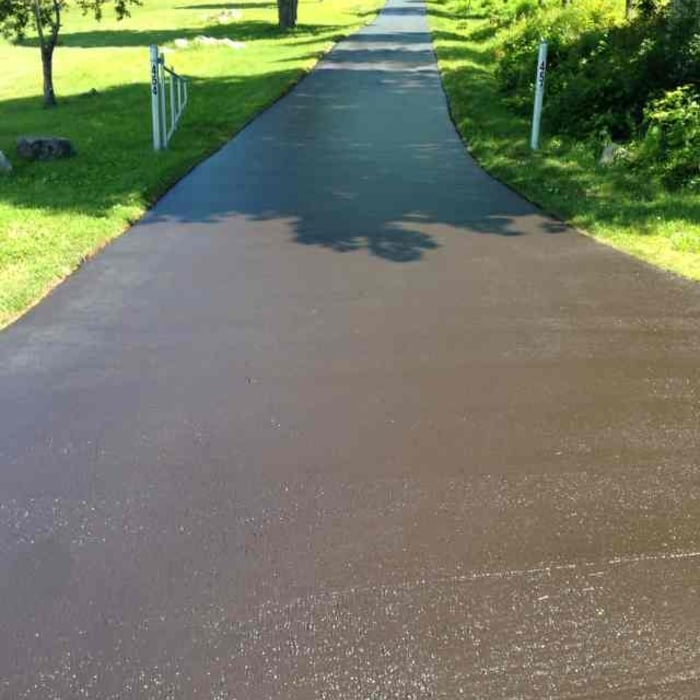
"I had a Groupon for 1000 sq. ft. of driveway sealing. I have about 2000 sq. ft. I bought the Groupon and called, and I was told it would be another $170, so I wanted to set the appointment. It actually took a year to get done, as he had too many Groupon customers and was giving scheduling preference to his existing client base. Once we had the appointment, they arrived on time, could not have been more pleasant, did a great job, and left the area spotless.
"

+2
Serving Jackman, ME and surrounding areas
In business since 2023
Free estimates
Accurate excavating offers quality work at an affordable price by experienced people in an adequate timeline.

Serving Jackman, ME and surrounding areas
In business since 1996
Free estimates
Credit card accepted
"These guys were awesome. Reasonable prices and hard workers."


+77
From average costs to expert advice, get all the answers you need to get your job done.

Excavation costs $1,500 to $6,300 for most residential projects—but it depends on factors like the size of the area. This guide will help you plan a budget.

Preparing for a big excavation project in your yard? Find out excavator rental prices by type, project size, and more to budget for your project.

You can't have an in-ground pool without digging into the ground. How much does pool excavation cost, and can you take it on yourself? Our guide explains.

Can you excavate in the winter? Sometimes, but it’s complicated. Find out the pros, cons, and steps for planning a winter excavation project.

Discover what excavation is, the different types, and when it's needed in construction. Learn key insights for your next big home project.
Planning a backyard overhaul? Learn about grading and excavation costs, site preparation steps, and how to hire the right local pro for your project.