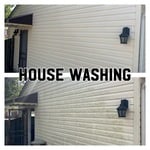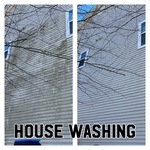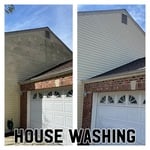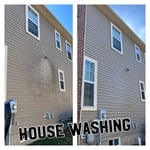







Top-rated pressure washers.

Get matched with top pressure washers in Gray, ME

Enter your zip and get matched with up to 5 pros

Need a pro for your pressure washing project in Gray, ME?

Select your specific project to find the pro for you.

TRUSTED BY GRAY, ME HOMEOWNERS

  • Average homeowner rating star icon4.7
    Average homeowner rating
  • Verified reviews icon78
    Verified pressure washing services reviews

Find Pressure washers in Gray

Avatar for First Due Services
First Due Services
4.8(
8
)
Exterior Surfaces - PowerwashingExterior Surfaces - Powerwashing - For Business

Serving Gray, ME and surrounding areas

Approved

In business since 2021

Free estimates

Credit card accepted

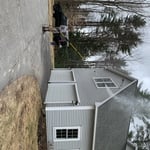
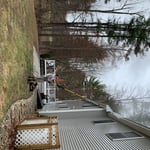
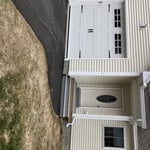
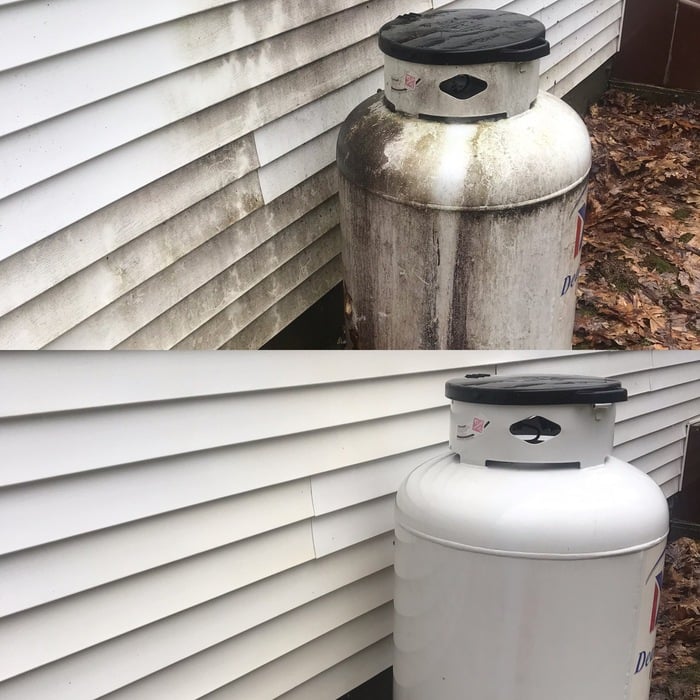
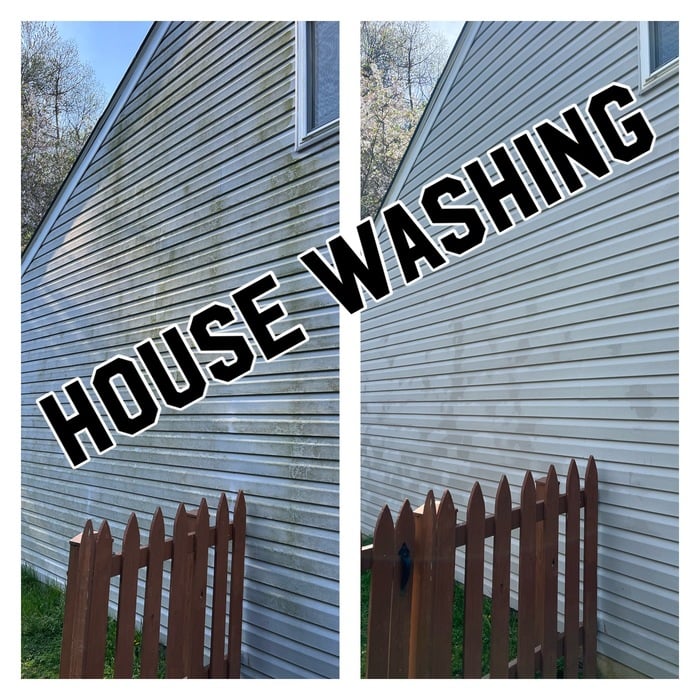
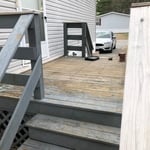
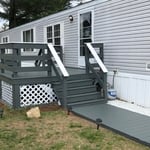
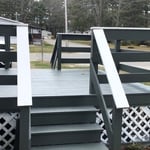
"Nathan was both professional and friendly. He arrived on time ad did the work in a very timely manner. He even washed my cement sidewalk and front steps for nothing. I didn't think they were capable of looking so clean after he finished. He also washed the front part of my garage and did a good job on my deck (small). I was more than satisfied with the job he did on my house. He is a very nice young man and I would highly recommend him to anyone I know in need of his services. He actually was going to charge me for $50 less than the quoted price but I insisted on giving him the agreed u pon price which was $100 less than another quite I had from a different company."
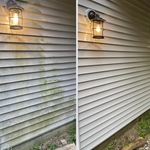
vinyl siding
roof wash
vinyl siding
vinyl siding
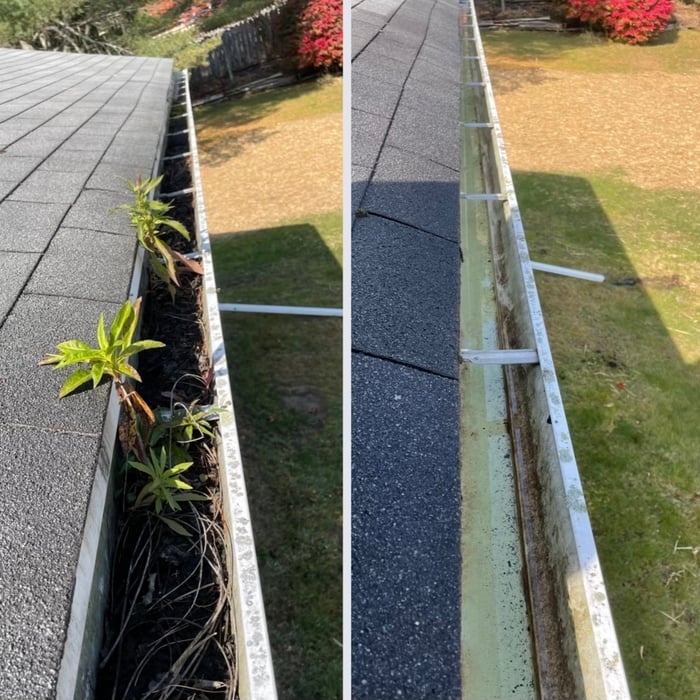
gutter cleaned

+2

Response time1 day
41 neighbors recently requested a quote
Recommended by87%of homeowners

...
Showing 1-10 of 139
Pressure Washing questions, answered by experts

You should avoid using a pressure washer on any surface or item that could be damaged by the high-pressure spray, as some materials are too delicate to withstand the force.

Key items and surfaces to avoid include:

  • Electrical Components: Never pressure wash electrical systems, as water can cause short-circuits and create a safety hazard. This includes utility meters, breaker boxes, electrical outlets, generators, and HVAC or air conditioner units.

  • Delicate and Fragile Materials: Fragile items can crack, shatter, or be stripped by the pressure. Avoid pressure washing windows, glass, light fixtures, shingled roofs (especially asphalt), and stucco.

  • Painted, Stained, or Sealed Surfaces: Unless your goal is to strip the finish, do not pressure wash painted surfaces, stained wood (like decks), or anything with a protective seal that could be stripped away. Be especially cautious with older surfaces that may contain lead paint.

  • Soft Woods and Certain Decking: Delicate surfaces like softwood, composite decking, and antique or wooden patio furniture can be etched or damaged. If you must wash wood, use a lower-powered pressure washer with a wide-angle nozzle to prevent damage.

  • Living Things: Never use a pressure washer on people, pets, or plants. The force can cause serious injury and will destroy landscaping.

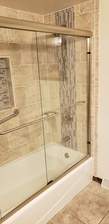
Even at the lowest setting, there’s always a risk that pressure washing might damage your shower or tub. Never use this technique if there’s pre-existing damage in your shower or tub, like peeling caulk, sealant, or cracked tiles. And skip this method entirely if there are any wood features present.

Yes, it is highly recommended to wash a house's exterior before painting to ensure the best results. Cleaning the surface removes dirt, dust, grime, mold, mildew, and old paint, which allows the new paint to adhere properly and results in a smoother, long-lasting finish. Failing to clean can lead to poor adhesion, peeling, and an uneven appearance. Pressure washing is an efficient method for this, but be cautious not to use excessive pressure that could damage siding or wood. For materials like vinyl or stucco, soft washing might be a better option. After washing, allow sufficient drying time, such as three to four days, before painting to prevent trapping moisture, which can cause blistering or peeling.

While DIY power washing is possible, professional services ensure thorough cleaning, proper pressure levels, and avoidance of surface damage.

Brick takes longer to dry than less porous materials like concrete. If you are waiting to spot clean, a full day of mild weather should do the trick. If you are waiting to paint or apply a finish or sealant, give it three to four days to ensure the brick is absolutely dry as a bone. You don’t want any residual moisture whatsoever before laying down paint or sealant. 

The Gray, ME homeowners’ guide to pressure washing services

From average costs to expert advice, get all the answers you need to get your job done.