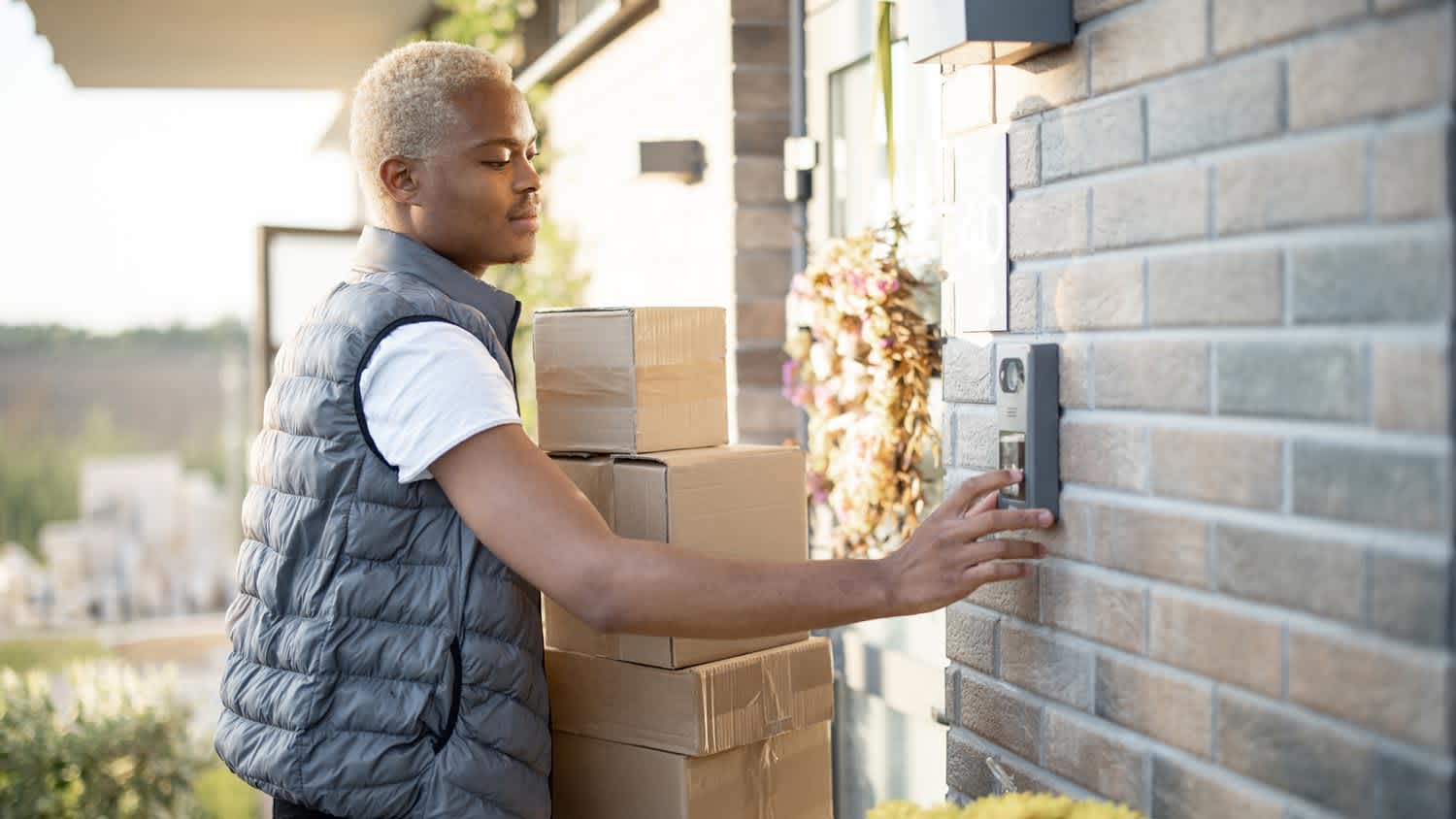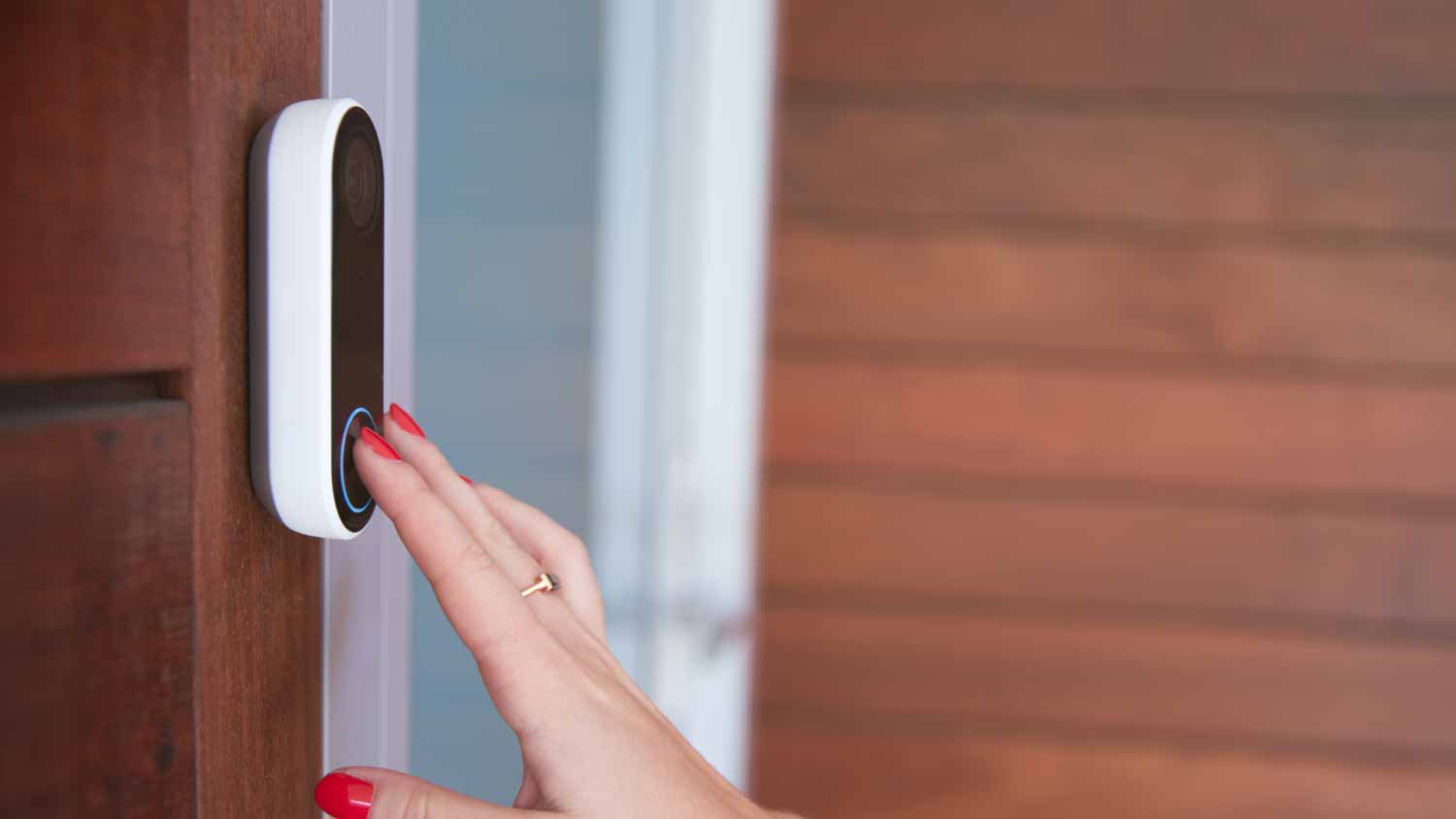


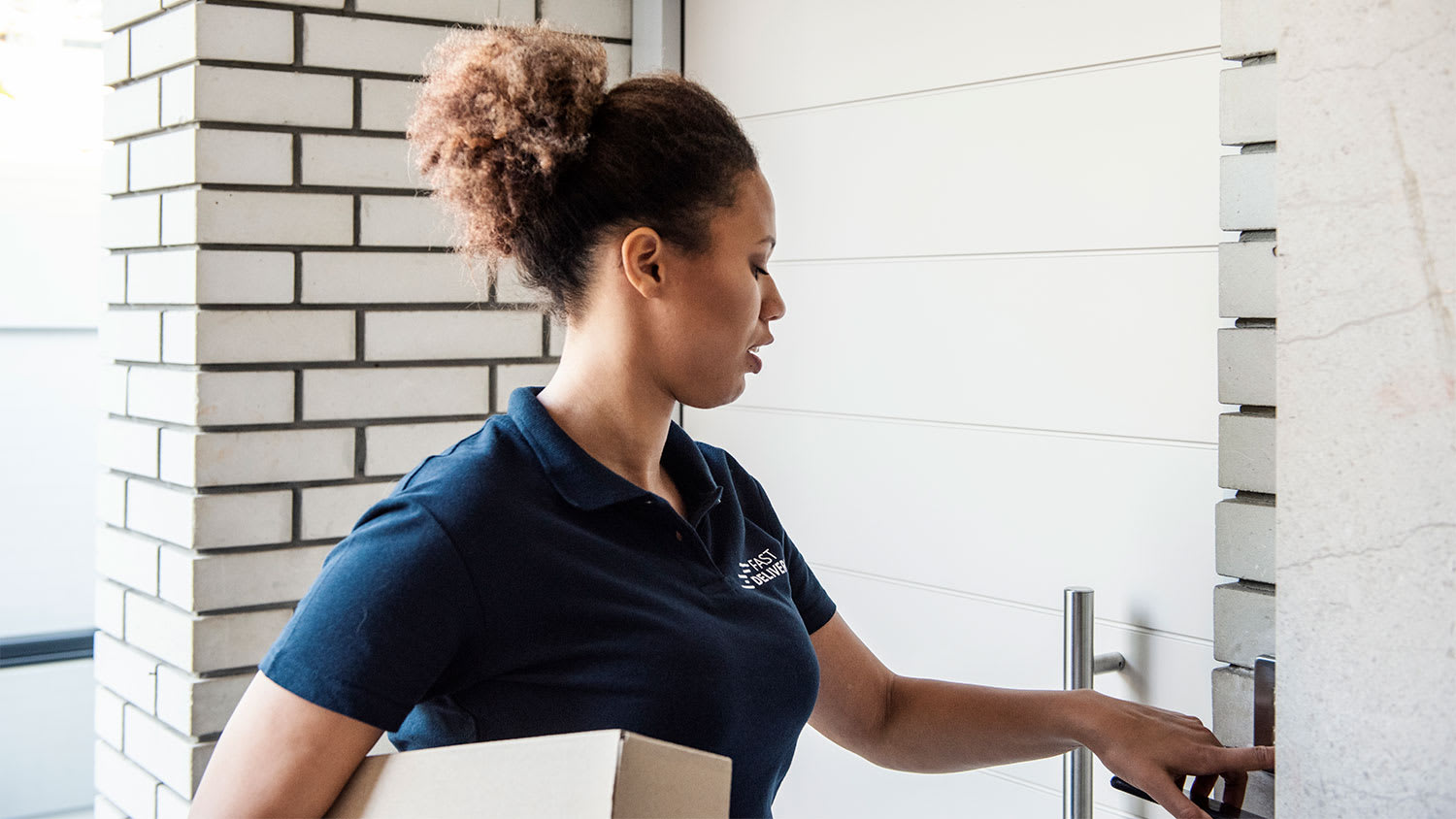
Top-rated doorbell installation pros.

Best doorbell installation pros near Freeport, ME

Enter your zip and get matched with up to 5 pros

Need a pro for your doorbell installation project in Freeport, ME?

Select your specific project to find the pro for you.

TRUSTED BY FREEPORT, ME HOMEOWNERS

  • Average homeowner rating star icon4.5
    Average homeowner rating
  • Verified reviews icon446
    Verified doorbell installation services reviews

Top-Rated Doorbell installation pros in Freeport - Updated Nov 2026

No results for Doorbell installation pro in

Try adjusting your search criteria.
Doorbell Installation FAQs, answered by experts

Yes. Bathroom insulation requires a vapor barrier. As a matter of fact, bathrooms and kitchens are the two areas of the home that should always get a vapor barrier because of the excess moisture. If you don’t have a vapor barrier in place in these rooms, the moisture will build up and eventually lead to mold and bacteria, not to mention the destruction of the insulation.

Yes, you can use too much bubble wrap. If you overdo it with the wrapping, it can strain the top of your box and break open the taped seal, risking the chance that the contents of the box could fall out or break. Use enough wrapping to fully cover your item without compromising the security of your box.

The best type of insulation for your home depends on your specific needs, climate, and the area you are insulating. For new construction, structural insulated panels are a highly energy-efficient option that is easy to install during the building process. In very warm climates, reflective insulation can be a cost-effective choice. For cold climates, fiberglass is an excellent option due to its high R-value and resistance to settling over time. Spray foam works well in humid environments because of its moisture-resistant properties. For standard attics, loose-fill, spray foam, or blown-in insulation are all suitable options.

Unfaced wall insulation is easier to cut and install, making it the better choice for a DIY project. It’s also more affordable. But if it’s unfaced, you’ll likely need to add a vapor barrier to reach your desired R-value and efficiency, as it doesn’t offer any moisture barrier.

Faced insulation uses paper or foil to create a built-in barrier and doesn’t require an extra step. It’s also more fire-resistant and safe. But it’s quite a bit more expensive and a little bit harder to work with as a DIYer.

On average, insulating an attic costs about $2,500, with a typical range of $1,500 to $3,500. The final price often depends on the attic's size, with costs generally falling between $1 to $3 per square foot. For example, insulating a 1,800-square-foot attic would likely cost between $1,800 and $5,400.

If the project involves removing old insulation, this can add an average of $900 to the total cost, bringing a full removal and reinsulation project to around $3,000.

Several factors influence the overall cost:

  • Insulation Type: Prices per square foot vary significantly by material.

  • Reflective: $0.50–$1.50

  • Blown-in: $1–$4

  • Batt: $2–$4

  • Loose-fill: $2–$5

  • Spray foam: $2–$5

  • Structural insulated panels (SIPs): $4–$7

  • Project Complexity: Factors like sealing air leaks, poor attic accessibility, and required inspections can add to the cost.

  • Removal Issues: The discovery of mold, asbestos, or pests during the removal of old insulation can substantially increase the price.

The Freeport, ME homeowners’ guide to doorbell installation services

From average costs to expert advice, get all the answers you need to get your job done.