




Top-rated arborists.

Get matched with top arborists in Berwick, ME

Enter your zip and get matched with up to 5 pros

Need a pro for your arboricultural service project in Berwick, ME?

Select your specific project to find the pro for you.

TRUSTED BY BERWICK, ME HOMEOWNERS

  • Average homeowner rating star icon4.6
    Average homeowner rating
  • Verified reviews icon358
    Verified arboricultural services reviews

Find Arborists in Berwick

Avatar for CZMGT LLC
CZMGT LLC
5.0(
2
)
Tree Stump - RemoveTree RemovalTree Trimming

Serving Berwick, ME and surrounding areas

Approved

In business since 2017

Free estimates

Emergency services offered

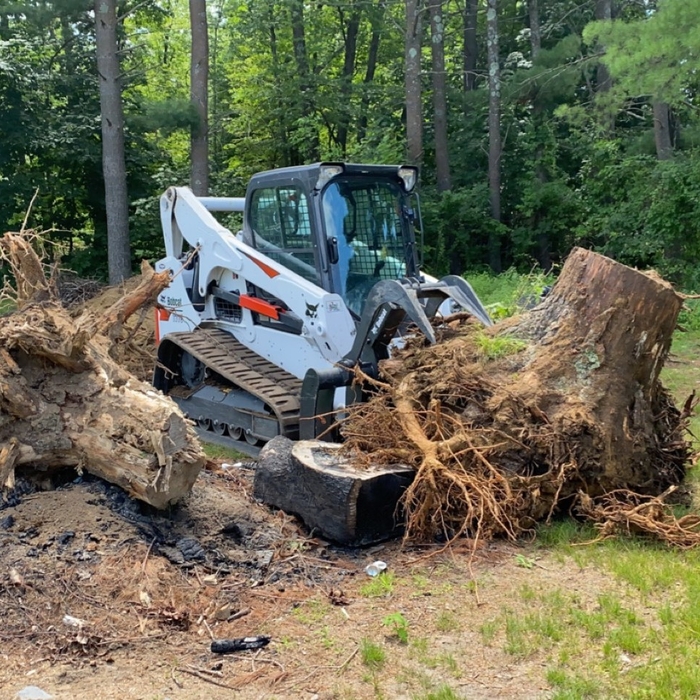
"We hired Christian to remove tree stumps on our property. He gave us a price the next day and started work within a week. His work ethic is incredible—he left the site spotless and communicated clearly every step of the way. Since then, he’s regraded our driveway, removed an old chicken coop, and cleared brush. It’s safe to say Christian is our go-to contractor now."
Pine removal
Response time9 hrs
3 neighbors recently requested a quote
...
Showing 1-10 of 54
Arborists questions, answered by experts

You can find pruning paints and sealants for trees, but you shouldn’t use them on a topped tree. Coatings like these often inhibit the tree’s healing process. An important exception is if there are dangerous fungi nearby that the tree is particularly vulnerable to, like oaks and oak wilt. Sealing cuts can help prevent fungi from taking root.

As a general rule, the protected area should be about 1½ times as wide as the canopy of the tree’s leaves. This digging measurement can vary by tree species and the age of the tree. Of course, that can be a lot of fencing for larger trees, which is why our first step is about making difficult decisions on which trees to save.

The typical lifespan of a Bradford pear is relatively short, only 15 to 25 years. However, these trees have issues long before their life is over. Due to their soft wood and fast-growing branches, Bradford pear trees often split around 15 years, making them a risk for falling branches and more prone to disease. 

It depends on where you live—but in most areas, leaves begin falling in September and continue falling until January or February. Warmer regions, such as Southern states, may see leaves fall a bit later in the calendar year. It also depends on the type of trees in your yard and their maturity. 

There are several methods to hollow out a tree stump, and the best one depends on your tools, experience, and priorities. Common methods include using a chisel and hammer, a chainsaw, or burning.

  • Chisel and Hammer: This is often considered the easiest approach for those with limited tools or experience, though it is the most time-consuming.

  • Chainsaw: Using a chainsaw is the fastest method, but it comes with significant safety risks, especially for inexperienced users.

  • Burning: This can be an effective method, but it is not recommended unless you can first drill holes into the stump. Without holes, the stump will be difficult to light and may not burn completely through.

A power drill with at least a ⅜-inch diameter bit can make the job quicker and easier, regardless of the primary method. While you can use a chisel or chainsaw without a drill, it will require more time and effort. Always wear protective goggles and thick gloves, as splinters are an inevitable risk.

The Berwick, ME homeowners’ guide to arboricultural services

From average costs to expert advice, get all the answers you need to get your job done.