Dishwasher Installation questions, answered by experts
You should avoid using a pressure washer on any surface or item that could be damaged by the high-pressure spray, as some materials are too delicate to withstand the force.
Key items and surfaces to avoid include:
Electrical Components: Never pressure wash electrical systems, as water can cause short-circuits and create a safety hazard. This includes utility meters, breaker boxes, electrical outlets, generators, and HVAC or air conditioner units.
Delicate and Fragile Materials: Fragile items can crack, shatter, or be stripped by the pressure. Avoid pressure washing windows, glass, light fixtures, shingled roofs (especially asphalt), and stucco.
Painted, Stained, or Sealed Surfaces: Unless your goal is to strip the finish, do not pressure wash painted surfaces, stained wood (like decks), or anything with a protective seal that could be stripped away. Be especially cautious with older surfaces that may contain lead paint.
Soft Woods and Certain Decking: Delicate surfaces like softwood, composite decking, and antique or wooden patio furniture can be etched or damaged. If you must wash wood, use a lower-powered pressure washer with a wide-angle nozzle to prevent damage.
Living Things: Never use a pressure washer on people, pets, or plants. The force can cause serious injury and will destroy landscaping.
Not all dishwashers are 60cm wide, but that tends to be the most common size. 60cm translates into roughly 24 inches, with most home dishwashers being between 22 and 24 inches wide. There aren’t metrics available but it’s been our experience that over 90% of household dishwashers in North America are around 24 inches wide by 24 inches tall.
If the dishwasher is in working condition, start and run a complete cycle with nothing inside. Let it drain and sit overnight before removing the hoses. In theory, it should effectively drain. You may find residual water in the hoses, but you can plug them. If the dishwasher breaks down midcycle it can sometimes be full of water. You’ll need to manually remove the water with a plastic cup before removing the dishwasher.
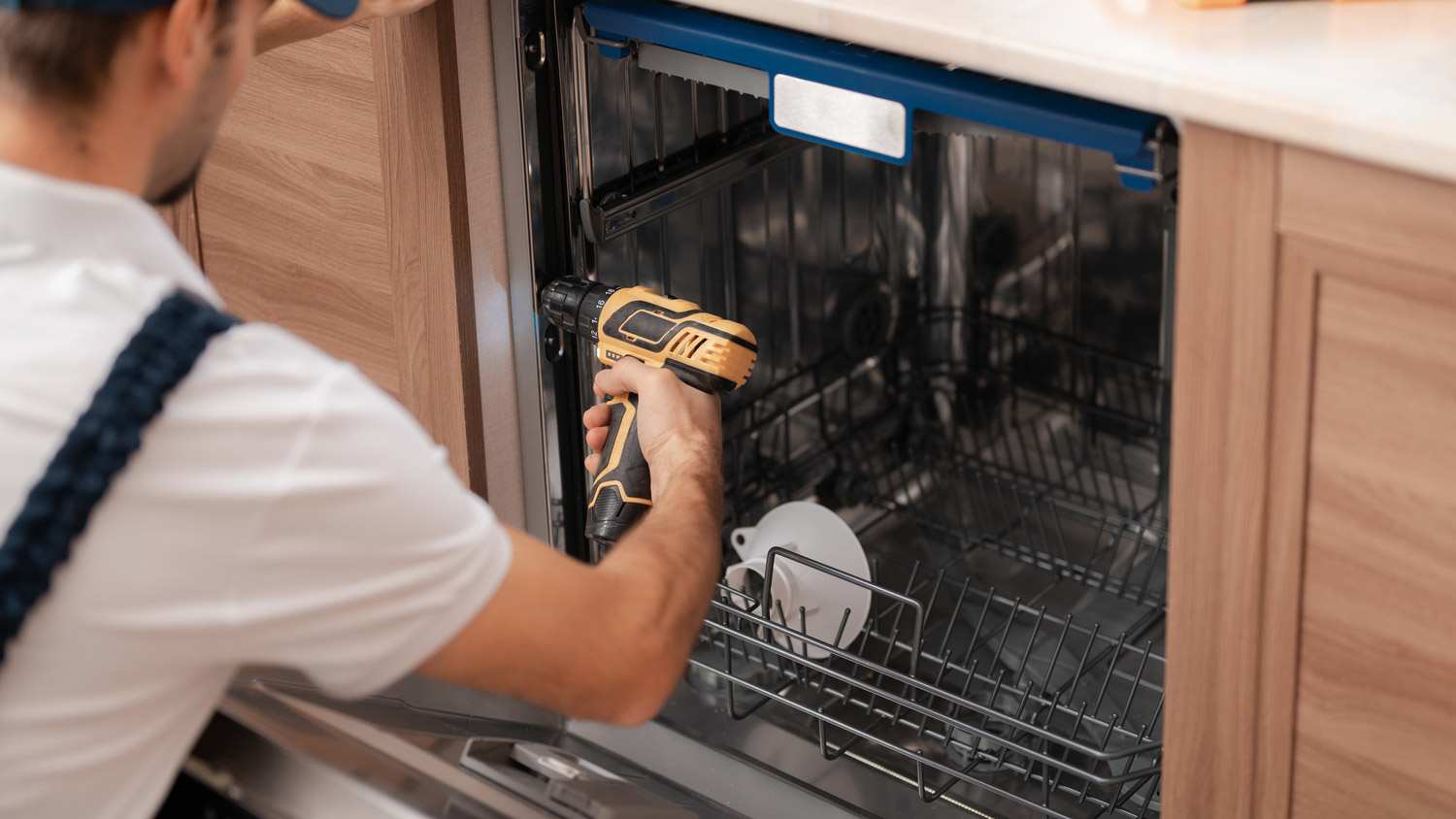
Installation includes leveling the unit, connecting water and electrical lines, securing the unit, and testing for function and leaks.
Regular use helps keep interior dishwasher parts functioning properly and the interior clean. Try to run your machine at least once every two weeks as part of your dishwasher cleaning schedule.
Every six months, running two cups of white vinegar through your dishwasher (place the vinegar where you put detergent) will help deep clean the unit to boost performance.
The Shady Side, MD homeowners’ guide to dishwasher installation services
From average costs to expert advice, get all the answers you need to get your job done.