



Top-rated garbage collectors.

Get matched with top garbage collectors in Glenarden, MD

Enter your zip and get matched with up to 5 pros

Need a pro for your garbage collection project in Glenarden, MD?

Select your specific project to find the pro for you.

TRUSTED BY GLENARDEN, MD HOMEOWNERS

  • Average homeowner rating star icon4.8
    Average homeowner rating
  • Verified reviews icon430
    Verified garbage collection services reviews

Find Garbage collectors in Glenarden

Avatar for ABH solutions
ABH solutions
5.0(
1
)
Garbage Pickup and Waste Management

Serving Glenarden, MD and surrounding areas

Approved

Free estimates

Small jobs welcome

Offers commercial services

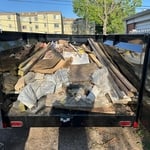
"Amanuel was great! He was able to come in and do a last minute home junk removal and also able to do a last minute home tv installation. He was punctual and even checked on me the next day to make sure everything was working properly! Recommended him to my sister. Will definitely be using again!"
...
Showing 1-10 of 231
Garbage Collection questions, answered by experts

You may be able to install a garbage disposal on your own, especially if you're handy or have some experience with plumbing. However, if you have any concerns or want to make absolutely sure that the connections are installed correctly, you may be better off hiring a local garbage disposal installer to do the job. 

No, you do not need a garbage disposal to have a dishwasher. A dishwasher will work without one, and while it's rare to see a home with a dishwasher that doesn't have a disposal, it is possible. The two appliances pair well and are often installed together because a disposal simplifies meal cleanup.

However, your dishwasher should not be used as a replacement for a garbage disposal. Subjecting it to continuous food leftovers can lead to major clogs. If you choose not to install a garbage disposal, you should thoroughly rinse your plates or scrape excess food into the trash or a compost pile before loading them into the dishwasher to prevent plumbing issues.
When a dishwasher discharges its wastewater, it uses a pump to quickly move a lot of water. If anything in the drain line or the garbage disposal impedes the high volume of water, it will back up into the sink through the drain or the garbage disposal. Following regular dishwasher maintenance tips like clearing clogs, keeping them cleared, and occasionally running the disposal will eliminate the problem.

While the drain connection for a garbage disposal is nearly universal and fits standard sink drain holes of 3 1/2 to 4 inches, the size of the disposal unit itself is not. You must have enough space in the cabinet underneath your sink to accommodate the disposal's housing. A larger model may not fit in a compact cabinet or if the existing plumbing is arranged in an unusual way. Before buying a new garbage disposal, measure the available space under your sink. If you are replacing an old unit, it's often easiest to choose a new model of a similar size.

The main issue with garbage disposals is clogging. This can mean a clogging of the pipes that expel the food along with water, or a clogging of the mechanical parts themselves. The problem lies in the solution because you can’t easily see clogs if they’re inside the system, and reaching in to dislodge stuck items is a risky proposal. Call a pro and ask what they would do, but if you can’t see the clog easily, and running the unit won’t free it, you need to let a professional handle the fix. 

The Glenarden, MD homeowners’ guide to garbage collection services

From average costs to expert advice, get all the answers you need to get your job done.