Hazardous Waste Disposal Cost [2025 Data]

Normal Range: $150 - $300

The average cost of hazardous waste disposal is around $200, and most homeowners pay somewhere between $150 and $300 for the service, depending on the materials and quantity.

How we get this data
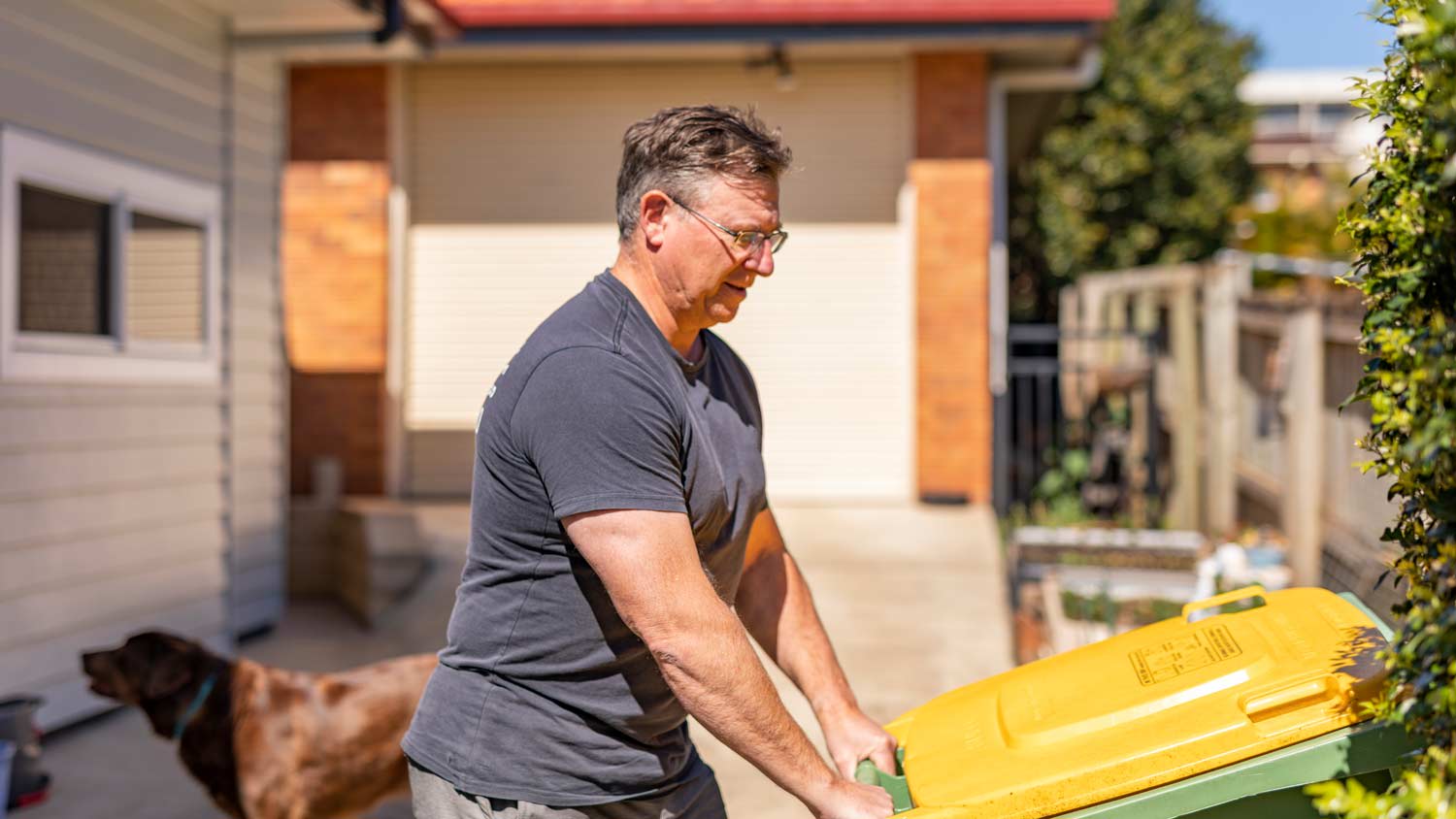
A person removing a hazardous waste bin
Photo: AvigatorPhotographer / iStock / Getty Images Plus / Getty Images
A person removing a hazardous waste bin
Photo: AvigatorPhotographer / iStock / Getty Images Plus / Getty Images
Highlights
  • Household waste removal typically costs $3.80 per pound, though flat transportation fees may still apply.

  • Electronic waste removal is priced separately, averaging $0.80–$1.50 per pound due to special handling requirements.

  • Transportation fees for trash removal range from $75–$200 and are often charged in addition to per-pound rates.

Hazardous waste disposal costs an average of $200, but prices can range from $75 up to $500 or even higher depending on what you need to dispose of and how much you have. You’ll pay as little as $75 to dispose of some old cans of paint, while costs can go up to $500 for removing heavy loads and more dangerous materials, like fire extinguishers and pool chemicals.

Hazardous Waste Disposal Cost Factors

There are quite a few things that can affect the price you’ll pay to remove hazardous waste.

Quantity

The most significant factor affecting the cost of hazardous waste disposal is the amount of waste you need to get rid of. Most waste removal companies charge by the material you need to remove and the quantity by weight.

If you just have a few old paint cans and containers of household cleaning chemicals lying around, you’ll pay significantly less than if you have an entire truckload of material built up over the years.

The type of material you’re disposing of plays a big role in the cost per pound, but in most cases, prices will range from $0.10 per pound in some cases for things like lead-acid batteries all the way up to $10 per pound for things like mercury thermometers and thermostats.

The table below includes the dumping fees only. Keep in mind that you’ll still often pay a flat fee for the transportation.

Weight (lbs.)Cost Range
1$0.10–$10
2$0.20–$20
3$0.30–$30
4$0.40–$40
5$0.50–$50
10$1–$100
15$1.50–$150
20$2–$200
50$5 – $500

Material

A gallon drum filled with batteries
Photo: PKZ / Adobe Stock

As you can see in the table above, your dumping fees—the price you pay for the safe disposal of your hazardous waste—depend largely on the material you’re getting rid of. You could pay around 100 times more to dump certain materials—like removing mercury-containing devices—on a per-pound basis than you would for others—like disposing of aerosol cans.

The table below includes some average price ranges for different hazardous materials. Again, these prices don’t include the transportation fees and will only cover the actual disposal of the waste.

MaterialDisposal Cost
Automotive liquids$0.80–$2.50/gallon
Batteries$0.10–$10.25/lb.
Electronics$0.80–$1.50/lb.
Fire extinguishers$8–$12 each
Gasoline/fuel$0.80–$3/lb.
General$1.50/lb.
Household cleaners$4.00/lb.
Lightbulbs (non-UV)$1–$2 ea
Mercury$7.50–$11/lb.
Motor oil$0.80–$1.50/lb.
Paints$0.80–$3/lb.
Pesticide/fertilizer$2.25–$4/lb.
Pool chemicals$4/lb.
Solvents$0.80–$4/lb.

Type of Hazardous Waste

If you have a mixture of the materials above and can’t reasonably sort through them, it’s easiest to get an estimated price based on the total weight of the mixed waste. Most hazardous waste collection and disposal companies will offer pricing based on the class of hazardous waste, which can vary quite a bit based on how dangerous the material is to handle and how easy it is to dispose of.

Household hazardous waste can include old paint cans, aerosol cans, batteries, fertilizer, pool chemicals, and bottles of old cleaning solution. Medical or biological waste can include syringes, contaminated animal bedding, animal waste, and more. Industrial waste, as the name implies, is uncommon in a home, but it can include byproducts and reagents from manufacturing.

Type of WasteCost to Remove
Household$3.80/lb.
Medical/biological$5/lb.
Industrial$8/lb.

Hazardous Waste Classification

There are 8 HAZMAT classes to classify hazardous materials, and you can sometimes use these to gauge what your hazardous waste disposal project will cost.

  • Class 1—Explosives: $0.80–$25/lb.

  • Class 2—Gases: $1–$5

  • Class 3—Flammable/combustible liquids: $0.80–$3/lb.

  • Class 4—Flammable solids: $0.80–$3/lb.

  • Class 5—Oxidizing agents and organic peroxides: $2–$4/lb.

  • Class 6—Toxic/infectious substances: $5–$12/lb.

  • Class 7—Radioactive material: N/A

  • Class 8—Corrosive material: $1–$4/lb.

  • Class 9—Miscellaneous: $4/lb.

Transportation Fees

On top of the charges for dumping the hazardous waste, you’ll also need to pay for transportation fees if you’re having a professional waste removal company pick up the hazardous material at your home and bring it to the proper disposal facility.

In most cases, you can expect to pay between $75 and $200 for the transportation fees, but you could pay much more than that if you have a lot of hazardous waste you need to get rid of. Prices could go up to $500 or more for loading and transportation.

Tipping

If you’re hiring a professional to come to your home, pick up the hazardous waste materials, and haul them to the disposal facility for you, it’s a nice gesture to tip the technicians. This is especially a good idea if the professionals need to collect and haul away individual components, like multiple paint cans and containers of lawn or pool chemicals.

Consider budgeting between $10 and $30 per professional, depending on how pleased you are with their work.

Frequency

If you’re getting rid of hazardous waste from old home improvement projects or from a garage clean-out, you’ll likely need to pay for the service once and be done with the job. If you run a small business or have a hobby that leads to hazardous waste build-up, you may need to schedule routine service on a regular schedule.

In some cases, hazardous waste removal services will offer discounts on a per-service basis if you guarantee them more work over time. Signing a contract for regular pickup could save you 10% to 15% per service.

Permits and Local Regulations

In some areas, you’ll need to pay hazardous waste dumping fees or purchase dumping permits before you can get rid of your hazardous materials as a business. Permit fees can vary widely by state and municipality, and you may also be subject to additional regulations, including the following:

  • Provide specific information about the containers and liners you’ll be using to store and transport materials

  • Confirm the specific types of waste you may be dumping.

  • Provide a waste disposal plan to detail the specifics about your operation.

  • Develop an inspection plan with your local municipality.

  • Install a groundwater monitoring system to avoid illegal and accidental contamination.

  • Develop a contingency plan in case of an emergency.

  • Pay for closure of the facility in advance to ensure that the state isn’t left with the financial responsibility of decommissioning the site.

If you’re a homeowner, you likely don’t have to worry about these things, but for a business owner, these could cost thousands or even tens of thousands of dollars, in addition to the actual hazardous waste disposal costs you’ll pay for dumping.

Why You Should Hire a Garbage Removal Pro

Hazardous waste disposal is subject to strict regulations, and failure to comply can result in environmental damage, health impacts, and legal penalties. On the other hand, hiring a certified hazardous waste disposal pro means the materials are handled, transported, and processed safely and in accordance with the law. The costs vary based on the type and amount of waste, but hiring a local garbage removal service helps eliminate the risk of contamination or fines. 

Here’s why it’s ideal to hire a hazardous waste removal company

Here are the benefits of hiring a garbage removal pro: 

  • Pros ensure safe, legal, compliant disposal of asbestos waste, old batteries, pesticides, and other hazardous waste. 

  • Waste removal pros are familiar with federal, state, and local regulations for disposing of hazardous materials. 

  • They bring protective equipment and proper containment supplies that homeowners rarely have handy.

  • Waste disposal pros know how to identify, label, and safely transport hazardous materials.

  • Local disposal companies work with approved facilities to protect the environment.

  • Hiring a pro prevents exposure to hazardous waste, property damage, and fines for incorrect disposal. 

If you want to DIY hazardous waste disposal

If you want to participate in the waste disposal process, let your pro handle the bulk of the work and focus on smaller tasks such as these:

  • Drop off small quantities of chemicals, batteries, and other hazardous materials at city-sponsored waste disposal events.

  • Follow local guidance for storing waste safely before pickup.

  • Regularly call a garbage removal service so you don’t need to store potentially hazardous waste for an extended period of time or stockpile large quantities.

Angi Tip

It’s not advised to place hazardous waste materials in your dumpster without first consulting your dumpster rental company. If these items make their way to the landfill, they (in most circumstances) will be returned to you, and you will face a fine of up to $500.

Heather Ayer
Staff Writer, Angi

Cost of Common Hazardous Waste Removal Add-Ons

A person taking a soil sample
Photo: BartCo / iStock / Getty Images Plus / Getty Images

When you’re disposing of hazardous waste, you might need to consider additional services to protect yourself and your home or to finish cleaning out that crowded storage area. Below are some common add-ons you might need, along with some average prices.

How to Save Money on Hazardous Waste Removal

Hazardous waste disposal costs often aren’t outlandish, but they can climb up to around $500 or more, depending on the material you’re removing. There are a few ways to save money in the process.

  • Check for local disposal programs. Many cities have local disposal programs for hazardous waste, which sometimes don’t require you to pay any dumping fees. There might be limitations on what you can bring and the quantities of each material you can dispose of, but you might be able to get rid of most of your hazardous waste at no cost.

  • DIY if it’s safe. Even if you don’t have a local hazardous waste disposal program available, you should be able to find a local disposal facility where you can pay to dump hazardous materials. You’ll pay dumping fees—often based on the specific materials you’re dumping—but you’ll avoid the $75 to $200 transportation fee you’d pay a professional. Just bear in mind that while it’s usually safe to dispose of gasoline, motor oil, and closed containers of pool chemicals, you should still leave the disposal of especially dangerous materials like mercury to a pro.

  • Always dispose of hazardous waste properly. It might be tempting to ditch paint cans, containers of pool chemicals, and fertilizer in your regular trash or in a dumpster to save on hazardous waste disposal costs, but you should avoid this. Not only is it potentially bad for the environment, but you could face fines of up to around $500 for illegal dumping.

Next Steps: Finalize Your Project With a Pro
  • Specify the types and quantities of hazardous waste that need to be removed. 

  • Let your garbage removal pro know where the waste is located and whether it’s difficult to access or if there are potential leaks. 

  • Ask if the removal process requires special handling or permits.

  • Discuss pickup and whether your materials will need on-site packaging.

  • Confirm whether the quote includes transportation and facility fees.

How Angi Gets Its Cost Data

Home is the most important place on earth, which is why Angi has helped more than 150 million homeowners transform their houses into homes they adore. To help homeowners with their next project, Angi provides readers with the most accurate cost data and upholds strict editorial standards. We extensively research project costs to develop the pricing data you see, so you can make the best decisions for you and your home. We rely on reputable sources, including the U.S. Bureau of Labor Statistics, academic journals, market studies, and interviews with industry experts—all to ensure our prices reflect real-world projects. 

Want to help us improve our cost data? Send us a recent project quote to [email protected]. Quotes and personal information will not be shared publicly.

Frequently Asked Questions

According to the Environmental Protection Agency (EPA), hazardous waste is any material that could have a negative effect on human health or the environment if disposed of improperly. Some common examples include paints, solvents, gasoline, motor oil, antifreeze, thermometers or thermostats containing mercury, batteries, lightbulbs, household cleaners, pesticides, fertilizers, and pool chemicals.

The most affordable way to dispose of hazardous waste is to find a local disposal program that accepts hazardous materials with no dumping fees. These programs are available in many communities and are funded by local governments. If you can transport your hazardous materials to the dumping site, you can often get rid of everything at no cost.

The four types of hazardous waste are items that are ignitable, corrosive, reactive, and toxic. Examples include gasoline, car batteries, aerosol cans, and lead-based paint, respectively.

The best disposal method for hazardous waste is to take it to a professional dumping facility that specializes in and accepts hazardous materials. These facilities will dispose of the materials in a way that is safe for both humans and the environment. If you don’t have access to a nearby facility, the best way to get rid of hazardous waste is to call a professional garbage removal company who handles disposing of hazardous materials .

Need professional help with your project?
Get quotes from top-rated pros.

The homeowners guide to garbage collection services

From average costs to expert advice, get all the answers you need to get your job done.