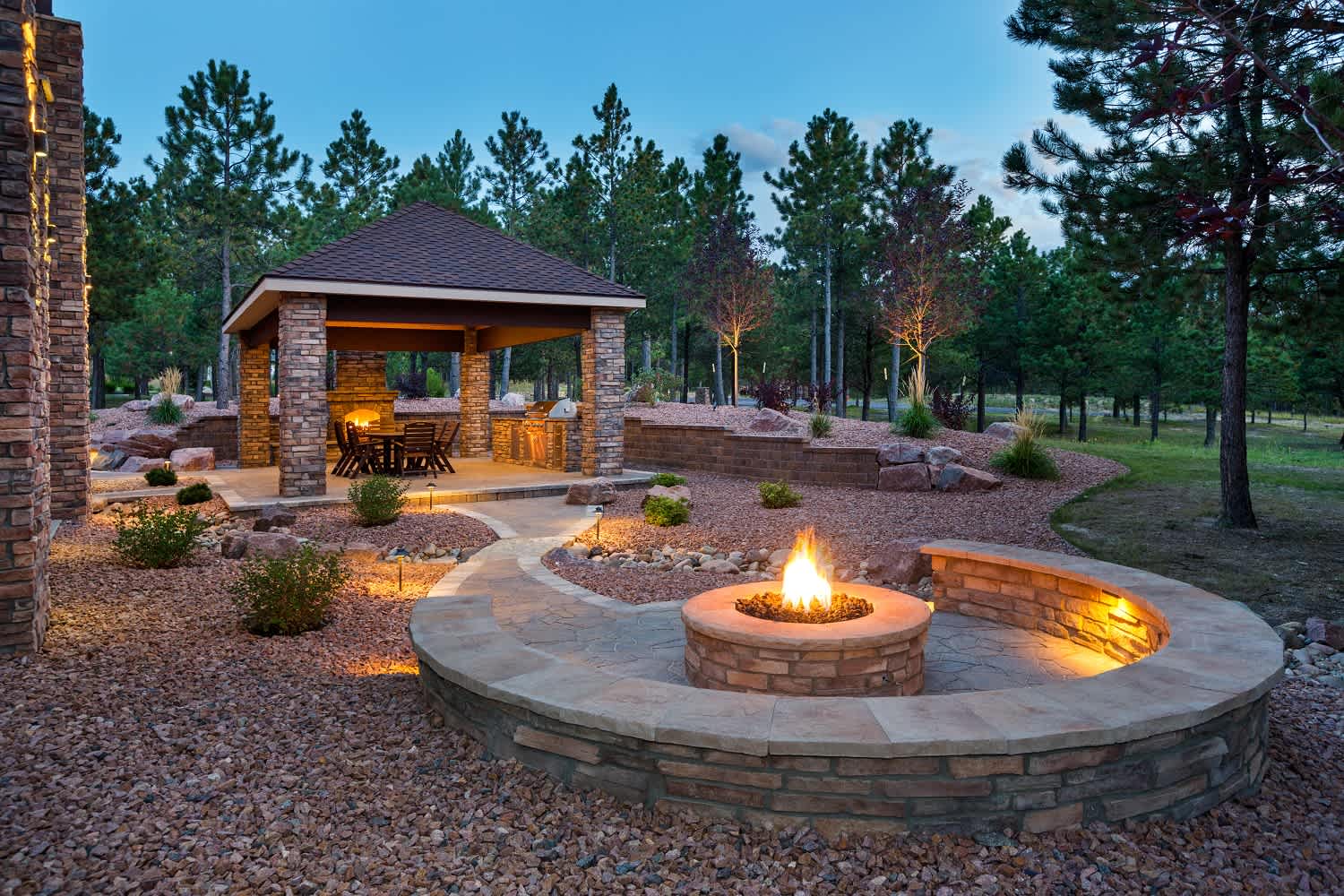









Top-rated fire pit installation pros.

Get matched with top fire pit installation pros in Finksburg, MD

Enter your zip and get matched with up to 5 pros

Need a pro for your fire pit installation project in Finksburg, MD?

Select your specific project to find the pro for you.

TRUSTED BY FINKSBURG, MD HOMEOWNERS

  • Average homeowner rating star icon4.6
    Average homeowner rating
  • Verified reviews icon855
    Verified fire pit installation services reviews

Find Fire pit installation pros in Finksburg

No results for Fire pit installation pro in

Try adjusting your search criteria.
Fire Pit Installation questions, answered by experts

Although you can put a smoke detector on a shelf, the NFPA recommends mounting one on the ceiling or a wall (within 12 inches of the ceiling). If you place your smoke alarm on a shelf, ensure it’s away from drafty, damp, or dusty areas and not near cooking appliances, heat sources, or fluorescent lights.

There are several tools available to help prevent electrical fires. First, ensure that you have GFCI outlets installed in necessary areas, along with an AFCI, which is a circuit breaker that can help prevent arc-faults. Investing in surge protectors is also wise, as they can safeguard your appliances and other items against power surges that may overload your outlet and cause sparking.

You don’t have to put smoke detectors in every room. At a minimum, though, there should be one on every level of your home, one in every bedroom, and one in the hallways outside the bedrooms. If you have a floor without bedrooms, place a smoke detector in the living room or next to any stairs that lead to an upper level. Attics and basements should also have at least one smoke alarm.

When a carbon monoxide alarm goes off, you should always take it seriously. Infrequent and occasional chirps often point to a low battery, a faulty device, or dust buildup (this usually affects smoke detectors and not standalone CO detectors). A continuous alarm signals an emergency, and you should immediately evacuate and call 911. When it comes to carbon monoxide in your home, it’s better safe than sorry.

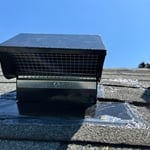
You should never block both the top and bottom of your chimney. Proper airflow is essential because the temperature inside the chimney will still fluctuate as your house warms and cools. Moisture can build up without ventilation, leading to dampness in your walls over time. Blocking the top prevents debris and animals from entering, but the chimney still needs air circulation to avoid condensation issues. Allowing the chimney to breathe maintains the health of your home and prevents long-term damage.

The Finksburg, MD homeowners’ guide to fire pit installation services

From average costs to expert advice, get all the answers you need to get your job done.