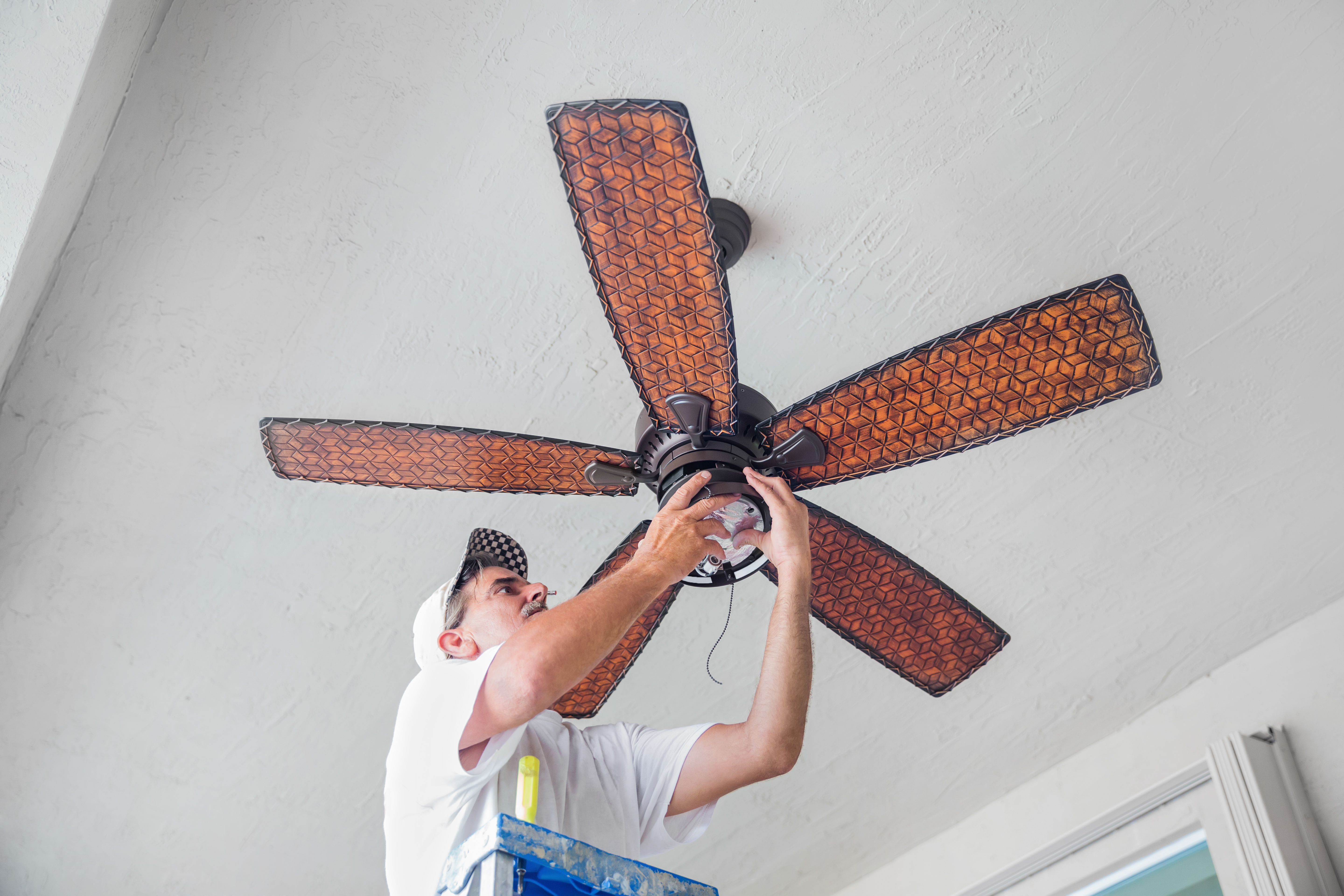









Top-rated ceiling fan pros.

Get matched with top ceiling fan pros in Wilbraham, MA

Enter your zip and get matched with up to 5 pros

Need a pro for your ceiling fan service project in Wilbraham, MA?

Select your specific project to find the pro for you.

TRUSTED BY WILBRAHAM, MA HOMEOWNERS

  • Average homeowner rating star icon4.5
    Average homeowner rating
  • Verified reviews icon33
    Verified ceiling fan services reviews

Find Ceiling fan pros in Wilbraham

Avatar for Alan Burlachenko Electrician
Alan Burlachenko Electrician
5.0(
20
)
Ceiling Fan - InstallCeiling Fan - Repair

Serving Wilbraham, MA and surrounding areas

Approved

In business since 2022

Free estimates

Emergency services offered

"Alan did great work wiring our pool equipment. He spent long hours completing the job within the quote he gave us. He answered any and all questions and communicated clearly with texts and photos when we could not be on site. I highly recommend Alan for any electrical work."
Panel Upgrade
Response time1 day
Response rate100%
30 neighbors recently requested a quote
Avatar for Alex Wurszt Electrician
Alex Wurszt Electrician
5.0(
9
)
Ceiling Fan - Install

Serving Wilbraham, MA and surrounding areas

Approved

Free estimates

Offers commercial services

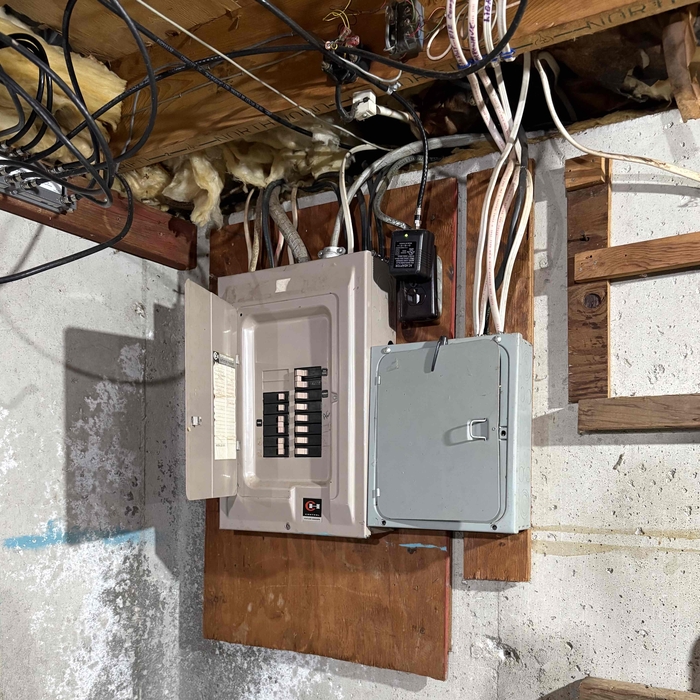
"Alex was awesome, came when he said he was going to and updated my panel and breakers he really knew and broke down a couple things I didn’t know just to keep me informed very smart definitely recommend to anyone looking for someone with an honest hustle."
After
Before
After
Before
Before

+12

1 neighbors recently requested a quote
Showing 1-10 of 36
Ceiling Fans questions, answered by experts

The number of blades for your fan poses both advantages and disadvantages. Typically, the more blades on a fan, the better the air distribution and cooling effect, but this also means that your fan will have more wear on its motor. For small rooms, three-blade fans should work fine. For larger areas like living rooms, four or five-blade fans might be the better option. 

If you’re removing a ceiling fan without visible screws, start by locating the fan canopy—a round cover placed above the fan blades and motor. There should be a thin ring that can be turned counterclockwise to remove the canopy and reveal the screws. After unscrewing the fan, you can disconnect the wires and remove the entire fan from the mounting hardware. For safety, make sure the fan switch is turned off before you remove the canopy. It may be easier to remove the fan blades first, too.

The more surface area that a ceiling fan blade has, the more effective it will be at producing airflow. Therefore, a longer ceiling fan blade is the better option if you’re looking for more wind. However, a longer blade will consume more energy than a shorter blade.

Ceiling fans are very often worth the investment because they improve comfort in your living space and help reduce utility bills. In the late spring and early fall—and even in the summer in some areas—homeowners with ceiling fans can often get away with open windows and fans, which can cut down on cooling bills and also reduce wear and tear on the HVAC system. Over time, ceiling fans can pay for themselves by saving you money on electric bills and air conditioner repair and maintenance.

In short, no. You can use the square footage range chart in this article to determine the right size ceiling fan for both indoor and outdoor spaces. However, weather elements can damage types of ceiling fans that aren't designed for outdoor use, so your ceiling fan should be weather-resistant if you plan to install it outside.

The Wilbraham, MA homeowners’ guide to ceiling fan services

From average costs to expert advice, get all the answers you need to get your job done.