







Top-rated animal fencing pros.

Get matched with top animal fencing pros in Wareham, MA

Enter your zip and get matched with up to 5 pros

Need a pro for your animal fencing service project in Wareham, MA?

Select your specific project to find the pro for you.

Find Animal fencing pros in Wareham

Avatar for Fences2U / Fences4U
Fences2U / Fences4U
5.0(
7
)
Electronic Pet Fence - InstallElectronic Pet Fence - Repair or Adjust

Serving Wareham, MA and surrounding areas

In business since 2021

Free estimates

Emergency services offered

"Bert and his men did a wonderful job with my fence. They were very friendly and personable while working very hard. They cleaned after themselves and finished the job very quickly considering it rained majority of the time. I would gladly recommend Fences2U to everyone looking to do their fence. Thank you!"
Fencing Project
New Fencing
Privacy Vinyl and Chain Link Fence
White vinyl privacy and Chain Link Fence
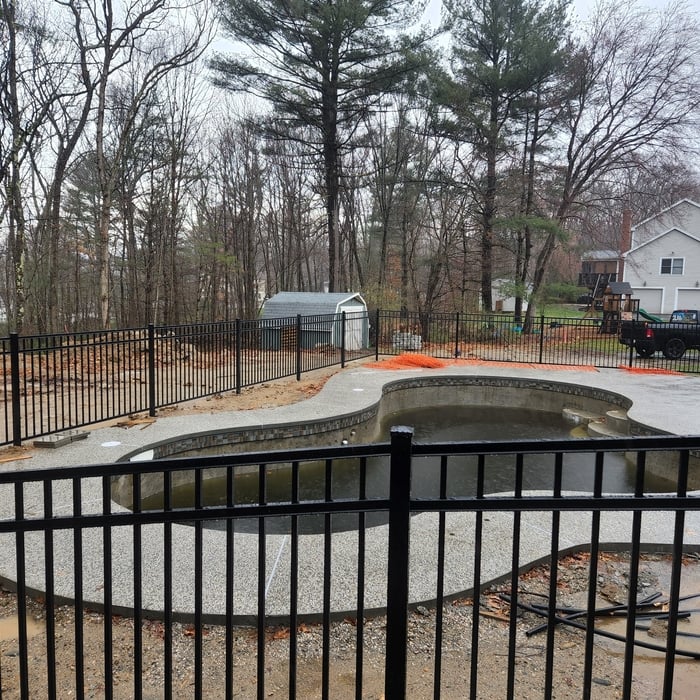
Pool code Fence with 2 gates

+48

Recommended by100%of homeowners
Alves General Services, Inc.
5.0(
2
)
Electronic Pet Fence - InstallElectronic Pet Fence - Repair or Adjust

Serving Wareham, MA and surrounding areas

In business since 2004

Free estimates

"Very professional & thorough. I had my grandaughter's loft bed cut down 1 foot because we only had 8 foot ceilings instead of the 9 feet that was required. We also needed to have the ladder cut down to size. We are pleased with the results & my grandaughter loves her loft bed!"
Recommended by100%of homeowners
Animal Fencing questions, answered by experts

Groundhogs have a strong aversion to powerful scents, including garlic, ammonia, vinegar, hot peppers like cayenne, and predator urine. Various herbs such as rosemary, lavender, basil, mint, sage, thyme, and oregano can also act as deterrents. You can strategically use these odors around your property by planting these crops near your garden and by the entrances to groundhog burrows. Commercially available repellents offer another option, and for best results, scent-based deterrents should be used alongside other preventive measures.

Armadillos are most active during cooler hours to avoid extreme temperatures, particularly the daytime heat in the warm climates where they live. This activity pattern helps them reduce the risk of overheating and dehydration. They are generally active from late at night to early morning, often between 2 a.m. and 5 a.m., but can also be seen around dawn and dusk. An exception to this is during mating season (June-July in the northern hemisphere, November-December in the southern hemisphere), when male armadillos may be more active than usual.

Setting up an animal trap in your yard largely depends on where you live and the type of critter you're dealing with. In many states, trapping nuisance animals like squirrels, rats, or raccoons is allowed, sometimes without needing a permit. However, certain wildlife species are protected, and not all states have lenient catch-and-release regulations.

Before placing a trap, check your local laws to avoid fines or other legal issues. Some areas allow DIY trapping, while others may require professional assistance. Most areas require a professional to relocate the animal once trapped. Consulting a pro ensures you handle the situation responsibly, humanely, and within the law.

Squirrels hate not having access to secure shelter or food sources. Your best line of defense is to make your property less attractive by removing access to these things. There are chemical squirrel repellents, but these have mixed success. According to Pennsylvania State University, you can apply products containing the bittering agent denatonium saccharide to a squirrel's favorite fence, tree, or roof spots. However, you need to reapply repellents regularly, which aren’t scientifically proven effective.

If the snakes in your yard are non-venomous species (like common Rat or Garter snakes), why not consider the live-and-let-live approach? Some benefits of not getting rid of snakes include:

  • They’re great at controlling disease-spreading rodent populations, including rats, mice, voles, and moles.

  • Some non-venomous species (like the common kingsnake) eat venomous species like rattlesnakes and copperheads.

  • Species like the garter snake keep down populations of garden pests like slugs and grasshoppers.

The Wareham, MA homeowners’ guide to animal fencing services

From average costs to expert advice, get all the answers you need to get your job done.