







Top-rated excavation pros.

Get matched with top excavation pros in Nantucket, MA

Enter your zip and get matched with up to 5 pros

Need a pro for your excavation project in Nantucket, MA?

Select your specific project to find the pro for you.

Find Excavation pros in Nantucket

Schezer Excavation LLC
4.4(
7
)
Building Site - Preparation and ClearingBuilding Site - Preparation and Clearing - For BusinessExcavation - Major Grading or Resloping+2 more

Serving Nantucket, MA and surrounding areas

In business since 1996

Free estimates

Credit card accepted

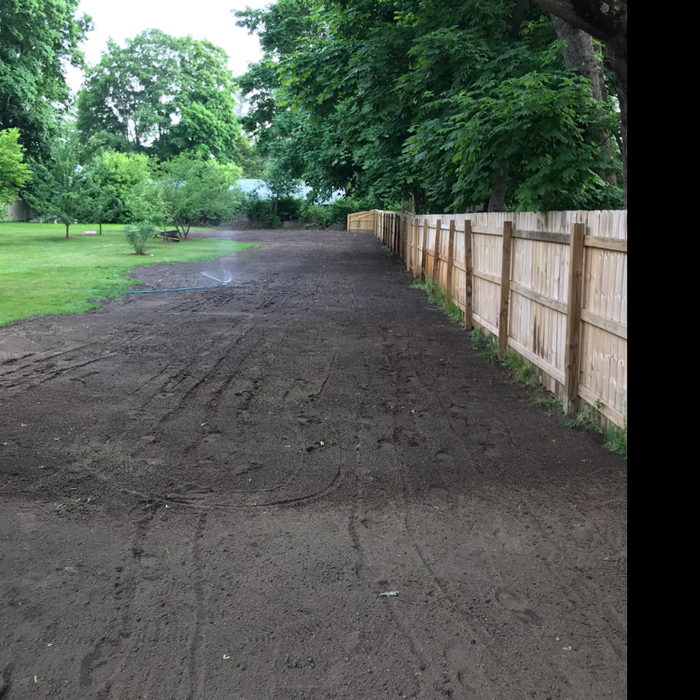
"It went very well, he is very clean while he works, when I saw the finishing touch I felt great and I was more than happy when I saw it he was very professional and he wants to get the job done as soon as possible."
Additional Photos
Additional Photos
Additional Photos
Additional Photos
Additional Photos

+39

Recommended by100%of homeowners

Shield Masonry & Construction
5.0(
3
)
Landscape - Minor Grading or Resloping

Serving Nantucket, MA and surrounding areas

In business since 1960

Free estimates

Offers commercial services

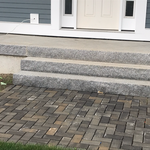
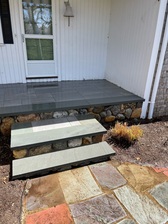
"I hired them because they had a reasonable price and they are so easy to work with as they did a great job on my roof and my chimney was leaking they rebuild it from the ground level up and I had not further leaks and they build my front step as it was all broken and they fix it and did a fantastic job for me"
Response time4 hrs
Response rate99%
Recommended by100%of homeowners

Showing 1-10 of 37
Excavating questions, answered by experts

There is no standard depth for burying a septic tank; they are typically buried anywhere from 4 inches to 4 feet underground. The final depth depends on several factors, including the depth of your main sewer line, the height of the bedrock, soil type, local regulations, and the property's landscape. If you plan to grow grass or plants over the tank, a depth of at least 4 to 6 inches is recommended. Deeper tanks can be more difficult to locate, but a septic professional can help find it for you.

Excavation is priced in cubic yards, so you’ll need to find the volume of the area in order to calculate costs. Multiply the length, width, and proposed depth of your excavation site, then convert it into yards to get the volume. Multiply this figure by the price per cubic yard.

Most homeowners can measure by hand to get a rough estimate, even if it’s tedious. You may want to pull out a tape measure or use a string to help mark the area.

Sewer lines can be buried anywhere from 18 inches to 8 feet deep, with a common average depth between 18 and 30 inches. The exact depth depends on local factors like climate and soil type. In colder regions, pipes must be buried deeper (below the frost line) to prevent freezing, sometimes as deep as 8 feet. The digging depth can also impact the cost of sewer line replacement. To find the specific depth for your property, you can check the building plans for your system, which should be on file with your city or local sanitation department since permits are required for installation.

The best type of soil to build on is a mixture of sand and clay, known as loam soil. Loam soil has the best combination of these soil types to build a foundation on. The clay particles help with water retention, so it won’t erode like sandy soil might, and the sandy particles help with drainage, so you won’t see unsafe soil expansion or have an increased risk of leaks from water sitting against your foundation.

Digging out a basement takes anywhere from a few days to a few months. Most projects take at least two to five weeks, but it could take several months if you encounter obstacles. This project takes longer if you need to brace or raise your home before the excavation. Digging out a basement in new construction can take as little as three days.

The Nantucket, MA homeowners’ guide to excavation services

From average costs to expert advice, get all the answers you need to get your job done.