










Top-rated ceiling fan pros.

Get matched with top ceiling fan pros in Hadley, MA

Enter your zip and get matched with up to 5 pros

Need a pro for your ceiling fan service project in Hadley, MA?

Select your specific project to find the pro for you.

TRUSTED BY HADLEY, MA HOMEOWNERS

  • Average homeowner rating star icon4.6
    Average homeowner rating
  • Verified reviews icon29
    Verified ceiling fan services reviews

Find Ceiling fan pros in Hadley

Avatar for Frank Wdowiak- Master Electrician
Frank Wdowiak- Master Electrician
4.7(
275
)
Ceiling Fan - Install

Serving Hadley, MA and surrounding areas

Approved

Super Service Award Winner

In business since 2006

Free estimates

Small jobs welcome

"Frank and his team always arrived on time and were able to start the work the week I requested a quote. They answered my questions and helped me to make decisions about what needed to be done. Had numerous lights/ceiling fans installed, outlets changed, and a doorbell installed along with the utility boxes being redone among other things. I would hire them again."
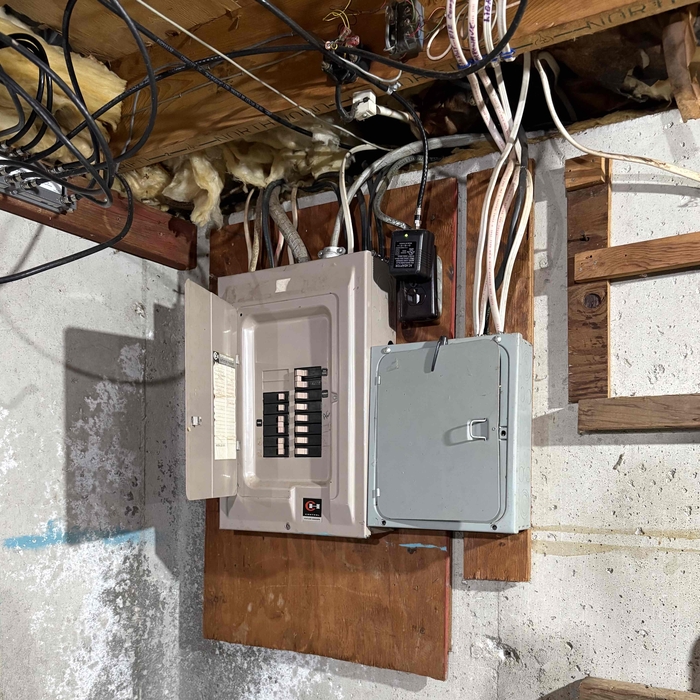
3 of 12 service panels.
Response time1 day
Response rate100%
Recommended by92%of homeowners

Avatar for Alan Burlachenko Electrician
Alan Burlachenko Electrician
5.0(
16
)
Ceiling Fan - InstallCeiling Fan - Repair

Serving Hadley, MA and surrounding areas

Approved

In business since 2022

Free estimates

Emergency services offered

"He did an amazing job helping me find a replacement for the can lights that we had in the kitchen. We’ve had a problem with bees nesting inside the can lights, and he helped me find some beautiful flat LED lights with a nightlight feature that I’ve never had before!! He also installed a dimmer for the lights, and a small chandelier that we bought on Amazon! Kept everything neat and cleaned up after himself! Highly recommend him for your work"
Panel Upgrade
Response time1 day
Response rate100%
34 neighbors recently requested a quote
Showing 1-10 of 29
Ceiling Fans questions, answered by experts

Ceiling fans offer multiple benefits for your home. They improve air circulation to prevent stagnant environments and provide cost-effective temperature control, which can reduce reliance on your HVAC system and help lower utility bills. In addition to their functional advantages, ceiling fans can also enhance a room's aesthetic appeal with features like built-in lighting and modern styling.

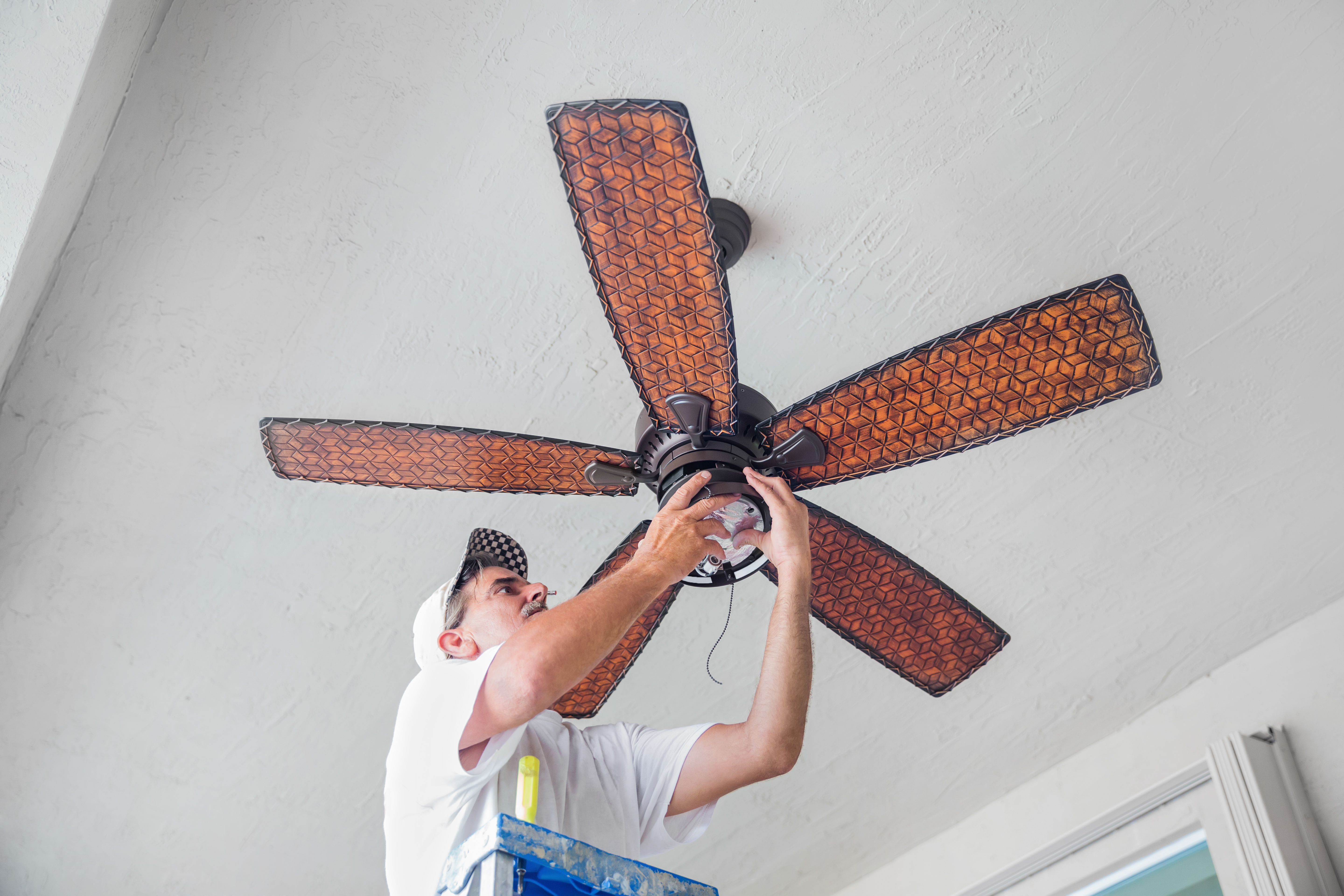
If you’re removing a ceiling fan without visible screws, start by locating the fan canopy—a round cover placed above the fan blades and motor. There should be a thin ring that can be turned counterclockwise to remove the canopy and reveal the screws. After unscrewing the fan, you can disconnect the wires and remove the entire fan from the mounting hardware. For safety, make sure the fan switch is turned off before you remove the canopy. It may be easier to remove the fan blades first, too.

Generally, a ceiling fan should be mounted at least seven feet from the floor in the center of your room with a wall clearance of around 18 inches. If your ceiling is more than eight feet high, it’s recommended by experts that the ceiling fan be mounted around eight to nine feet from the ground. This helps ensure a better quality of circulated airflow.

Stainless steel or aluminum fans are long-lasting and have less air resistance. They are best for outdoor use as their durability helps them withstand unpleasant weather conditions. Their heavy weight requires a stronger motor, which leads to more noise than other blade materials.

Wooden fan blades are a classic, durable option. They are much quieter than metal fans and feature a wide range of styles and finishes to choose from. However, they can be damaged by moisture if not covered with plastic.

Plastic fan blades are lightweight, easy to clean, and versatile. There are various shapes and styles to choose from as plastic is easily molded and dyed. They will also deteriorate slower than other materials as they aren’t as susceptible to humidity and moisture.

Identifying the source of noises is your first step to soundproofing a room without overspending. Generally, sound comes from inside or outside of the house. Inside noises include creaking floors, living noises like TVs in the living room, cooking sounds, or kids being kids. External noises generally include incremental weather, disturbing neighbors, and street traffic. Inside noises require you to soundproof floors, ceilings, and doors, whereas outside noises may require you to soundproof your attic, windows, and walls facing the streets.

The Hadley, MA homeowners’ guide to ceiling fan services

From average costs to expert advice, get all the answers you need to get your job done.